Organizing Your Embroidery Thread

In a newsletter a couple of weeks ago, I showed you all how I organize my embroidery thread. It’s not perfect, and I asked you to tell me your methods. Wendi (not me, though I admire her spelling flair) from SewCatSew shared her method and I’ve decided that she is a genius. I’m going to adopt her method as soon as I get some of these little baggies. Here’s what she had to say. . .

Here’s a picture of my “system”.  I bought a 100-pack of Floss-A-Way bags YEARS ago.  Recently I took it up a notch by getting colored rings and sorting all my floss by color family.  I now have a ring for each color range in order from light to dark (for the most part).  I can toss them in my basket and easily pull out the group I need.  I also have a ring for the colors that are custom matched to the felt I use from a particular supplier.  The bags are labeled by DMC color number and the felt color name so I’m sure to get the right one when I want an exact match.  When I’m working on a project with multiple colors I can also take the bags I need from their color group ring and put them on a ring of their own for the duration of the project rather than go back to the basket every time I want a different thread.

I’ve seen the bags sell for as little as $3.49 or 100 (JoAnn Fabric), I got the basket at the Target dollar section and probably paid $2-3 for the rings.  So for about $7-8 I got a flexible, usable way to feel like I’m in control of SOMEthing  🙂

I LOVE this! The major drawback to my system is that it isn’t very portable. That’s especially irritating because one of the things I love about embroidery is its portability! Wendi was even kind enough to send a link to a few sources for the baggies (that’s an affiliate link) though I think I can do this same thing with some snack-sized ziplocks from my grocery store, a sharpie and a hole punch.

(Updated to note – the names and numbers were hard to read on the clear bags so I invested in the Floss-Away bags and they were worth every penny.)

I already have a bunch of the binder rings left over from a camp bookbinding project I taught last summer. I can’t wait! Organizing my craft supplies sometimes makes me giddy – in a good way. 🙂

I wrote up a new post about a year later showing a couple of small modifications to this system. Years later, this is still the system I use. You can read it here.

Free Embroidery Pattern – Vroom Vroom!

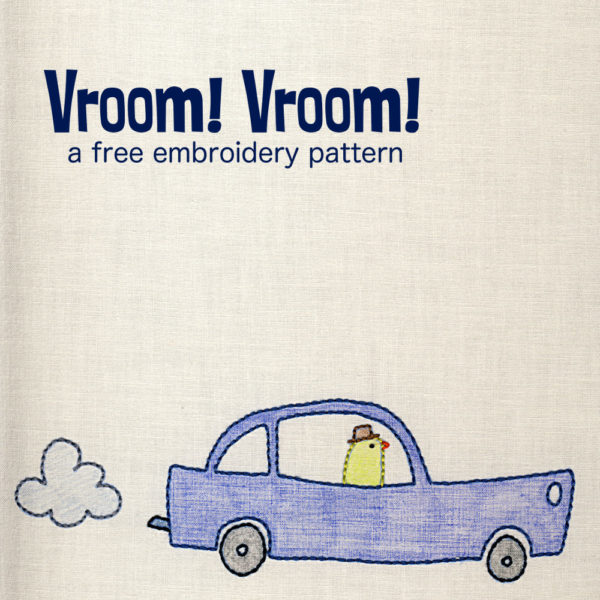
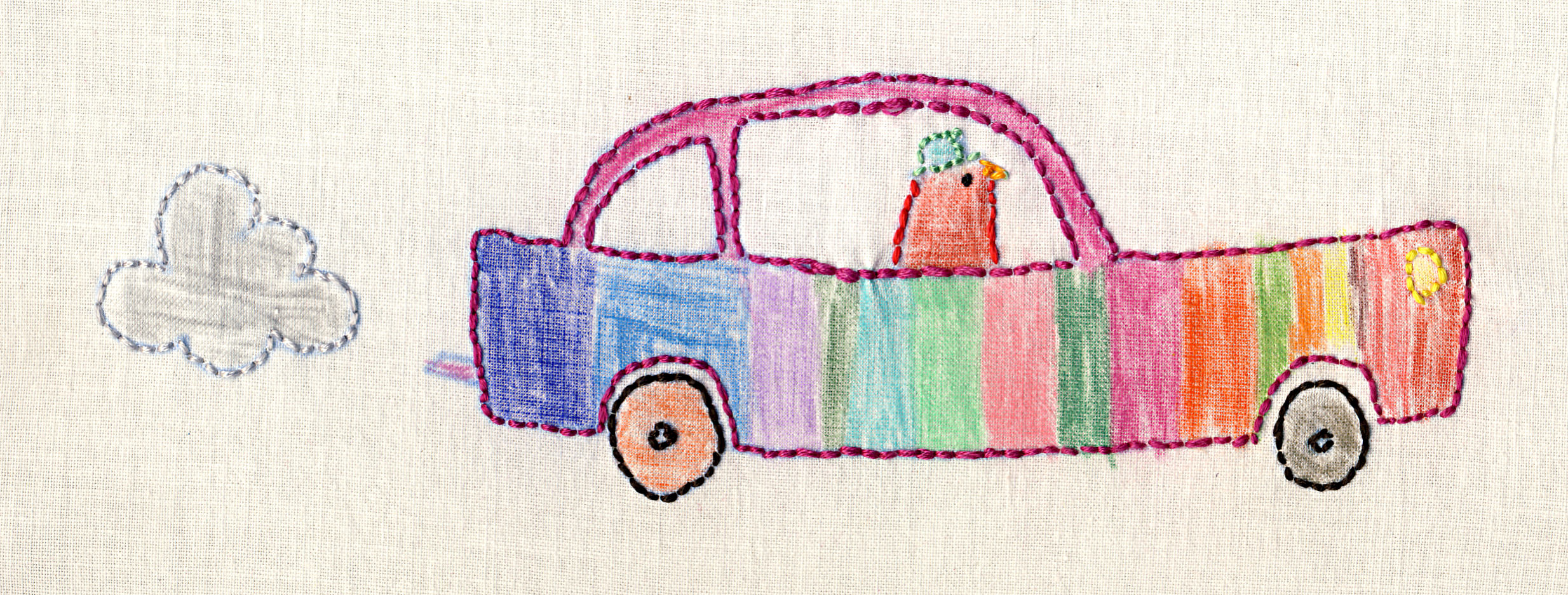
Vroom Vroom - free embroidery pattern

Want to play with a free embroidery pattern? Here’s one that’s great for beginners.

It’s super easy – just a bunch of backstitching and one lone French knot – which you can replace with a tiny straight stitch.

I colored the image in with colored pencils before stitching, but you could certainly fill with the fancy stitch of your choice.

If I were doing this again I would probably do all the outlining in DMC #3371 – I love that whimsical cartoony look. But I already showed you all an example of that here and I wanted to let you see the different look you get by outlining with matching thread.

Remember – one of the great things about embroidery is that you get the image – but you can make it look however you like with your choice of color and stitches.

Here’s how to do it. . .

Download the free pattern here.

Transfer your pattern to whatever fabric you’re using. My favorite method is using Sulky Sticky Fabri-solvy – there’s a video here that shows how it works.

If you want to make yours look like the image on the cover, here are the thread colors and stitches I used.

  • Car – backstitch with 4 strands of DMC #311
  • Tires and tailpipe – backstitch with 4 strands of DMC #310
  • Exhaust cloud – backstitch with 4 strands of DMC #317
  • Bird eye – French knot with 2 strands of DMC #3371
  • Bird – backstitch with 4 strands of DMC #166
  • Hat – backstitch with 4 strands of DMC #801
  • Bird beak – backstitch with 4 strands of DMC #900

Remember – if you enlarge or reduce the pattern, you may meed to use more or fewer strands of thread.

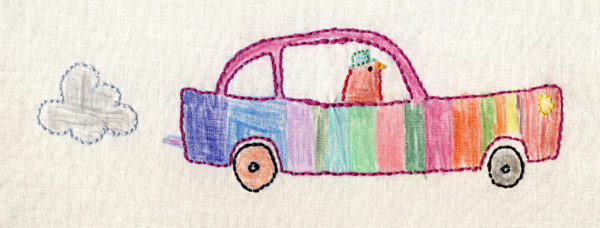
Here’s another fun version made by my daughter when she was (I think) 8 years old.

Vroom Vroom - a free embroidery pattern from Shiny Happy World

I love that crazy rainbow car!

Happy stitching!

Vibrant handmade crochet toys and patterns from Shiny Happy World.

How to Fill with Colored Pencils and Crayons – video

With hand embroidery, sometimes you’ll want to fill an area with color but you don’t want the texture of a stitched area – or you don’t want to take the time.

One possibility in those situations is to fill the area with colored pencils or crayons. In this video I show you how to stabilize the fabric for coloring, and how to heat set it after you’re done.

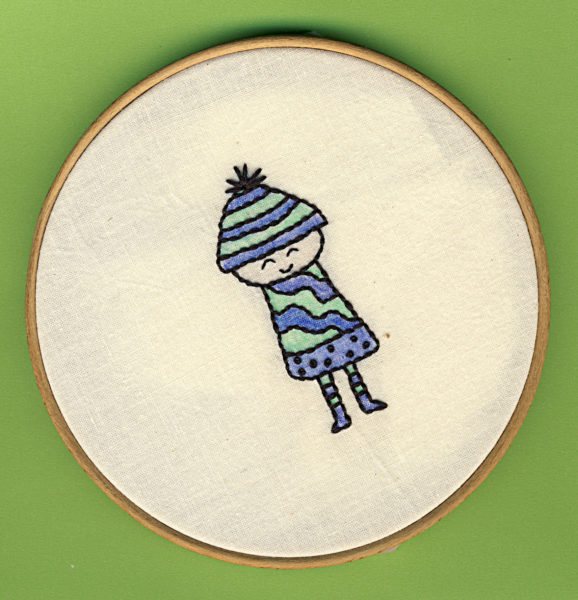
Here’s the finished piece I started in the video.

girl bundled up in winter hat and coat - hand embroidery tinted with colored pencils

I really love to do an all-dark outline when I color the fill. To me it has a playful, cartoony look that suits my drawing style.

By the way – that dark outline looks like black, but it’s really DMC #3371. That’s a very dark brown and I use it a lot of places you’d expect to see black. I think black outlines and eyes can sometimes look a little harsh. Using this color takes the edge off.

Cute embroidered bird driving a blue car embroidery pattern, free downloadable design.

The free Vroom Vroom pattern uses the same coloring technique, but I match the outline thread to the fill color. It’s a different look and one you’ll also want to have in your tool basket.

And here’s a totally different look on that same car – colored and stitched by my daughter.

Vroom Vroom - a free embroidery pattern from Shiny Happy World

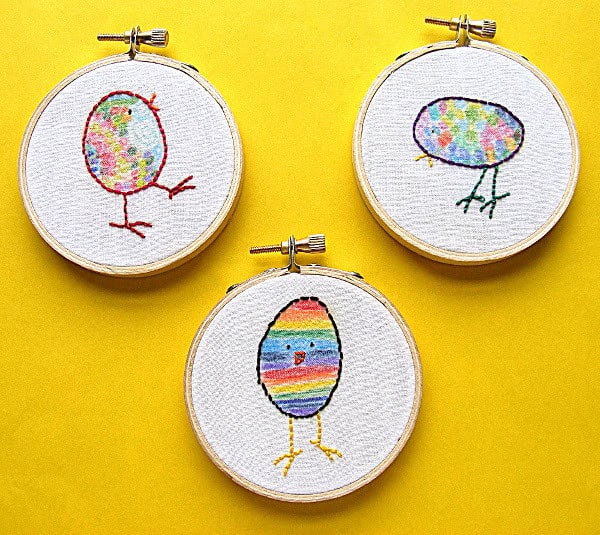
Finally, for just one more fun look, here’s a set of three Easter chicks colored by my daughter.

Little Chick with Big Feet - a super easy and cute Easter embroidery pattern free from Shiny Happy World

The one in the top left corner is made with the free Little Chick with Big Feet embroidery pattern. The rest are from the Chickens embroidery pattern.

So much fun!!!

Vibrant handmade crochet toys and patterns from Shiny Happy World.

Here are all my lessons for fill stitches (besides satin stitch).

Return to the Learn to Embroider main Table of Contents.

Move on to the lessons for all the other stitches.

Vibrant handmade crochet toys and patterns from Shiny Happy World.

Using Buttons for Eyes

If I’m making a toy that’s not for a baby, I sometimes like to use buttons for eyes. You can use buttons with four holes, like this. . .

original snake (1)

. . . but if you sew it on with your threads in an X it can make it look like your softie is dead.

I especially like using 2-hole buttons, because you can use the orientation of the holes to add some expression to the face. These two Blockheads have the holes in their button eyes placed up and down. I think it gives them an open, cheerful look.

Blockheads Beanbags sewing pattern

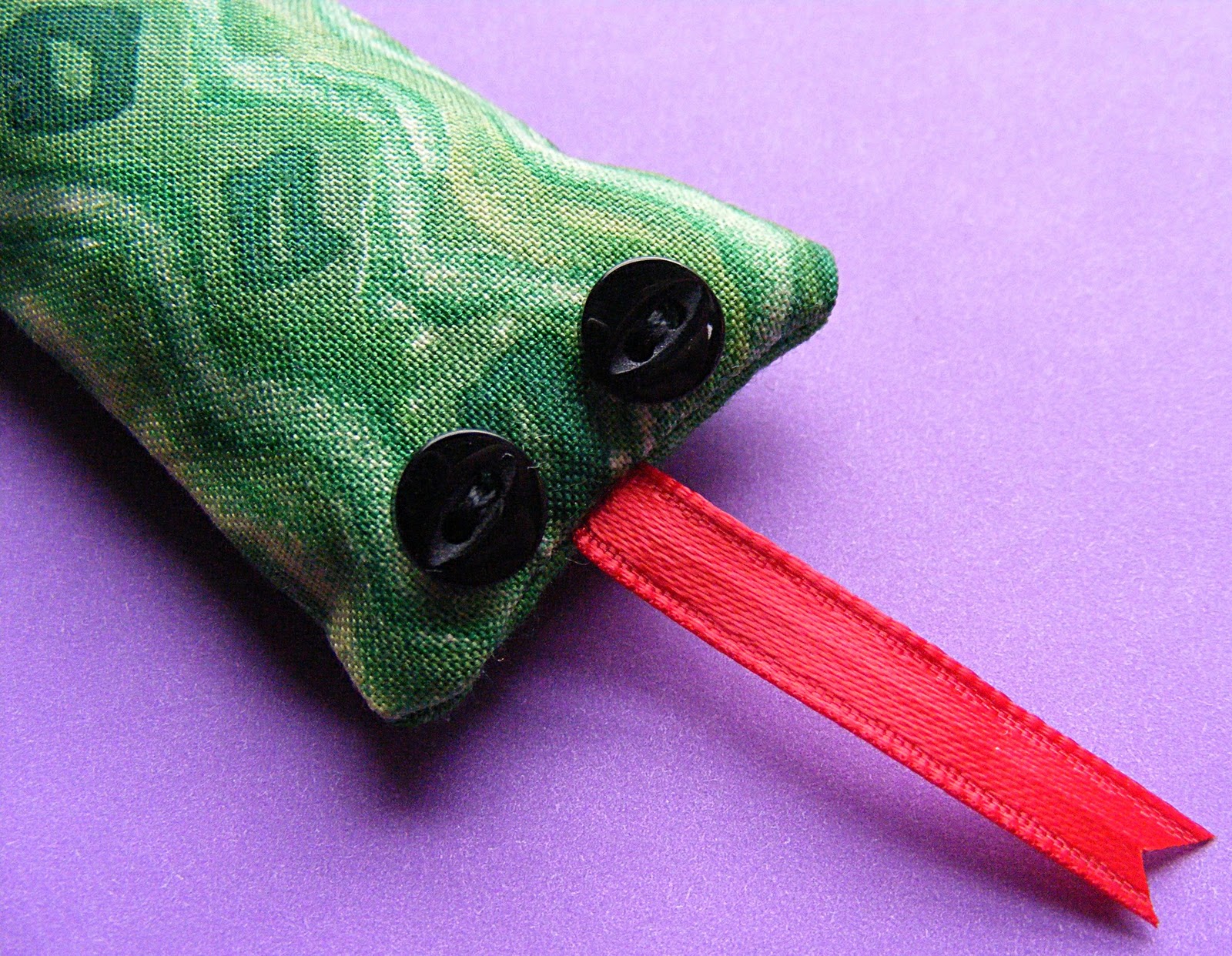
Placing the holes sideways made them look kind of sleepy. When I tried out the button eyes on the Snake Charmers (a free sewing pattern), I decided I wanted the sleepy look.

Snake Toy - free sewing pattern

My first thought was to place them up and down, so that the football-shaped divet in the middle of the button would be reptilian-looking. But when I tested them out that way he looked kind of menacing. Sideways (and maybe sleepy?) was much friendlier-looking.

So do use buttons for eyes, but don’t just stitch them on all willy-nilly. Use the button holes as a design element and try out a few different orientations to see what looks best.

If you’re trying to decide between button eyes, safety eyes, felt, eyes, and embroidered eyes, click over to this post for a good overview of your options.

Happy stitching!

Best,
Wendi
Colorful embroidered mushroom design on fabric, vibrant and detailed art piece.

Toy Snakes – free beginner sewing pattern

These stuffed toy snakes are one of my most popular free patterns! They’re lots of fun for all ages to make.

Years ago I made a book weight – a simple tube of fabric filled with heavy metal pellets.

It was designed to hold a book open, but my daughter immediately saw it as a toy.

Of course.

She played with it all the time so I finally made a toy snake just for her – bright and colorful, with button eyes and a forked tongue, and filled with plastic pellets instead of expensive metal shot.

She still has that original snake. And she still plays with him all the time. Her response when I asked her about him was, “Well, you never know when you’re going to need a snake.”

How true.

Jo helped me make some modifications to the original design. The seams are on the inside now “to make him more smooth and snakelike.” The tongue is made of ribbon so it’s less likely to tear away. I asked her about rounding the head and tail to make him (somewhat) more realistic and got a resounding thumbs down. Okay then. Square-headed toy snake it is.

And so I bring you the new and improved – and FREE – Snake Charmers. These toy snakes are quick and easy to stitch up, small enough to fit in a pocket, and have a pleasing drapability (if you don’t fill them too full). They’re a good size to interact with action figures and all kinds of dolls. They’re surprisingly versatile little guys who make their way into all kinds of situations. I hope you enjoy them!

Do make more than one. When I told Jo she could have all the samples I made her response was, “Cool! Now I can have an invading horde attack my American Girl dolls.”

Cool indeed. 🙂

The links in the pattern all go to video tutorials that show that skill in more detail.

Toy Snake Pattern

Materials needed for each snake. . .

  • scraps of fabric -­ I use different prints for the top and the belly
  • two small buttons (1/4 ­- 3/8 inch)
  • scrap of red ribbon (1/4 or 3/8 inch wide)
  • plastic pellets for stuffing (I like Fairfield brand Poly Pellets)

Step 1

Cut two rectangles of fabric, each 2 inches x 9 inches. Click here if you want to learn how to use rotary cutting tools.

Step 2

Sew the eyes in place, with the centers approximately ­1/2 inch in from the cut edge of the fabric.

This post has some tips about getting different looks from the way you place the button holes.

Step 3

Cut the ribbon 1 1/2 inches long and snip a fork into one end.

If the ribbon seems like it’s going to fray, use a bit of Fray Check or clear nail polish on the forked end.

Step 4

Pin the ribbon in place with the flat edge lined up with the cut edge of the fabric and centered between the eyes.

Step 5

Layer the belly piece of the snake face down over the top. Pin the layers together, sandwiching the ribbon tongue between them. Leave the tail open for filling.

Step 6

Leaving the tail end unstitched, sew around the other three sides of the snake. Use 1/4 inch seam allowance. Don’t forget to backstitch at the beginning and end of all your stitching.

Watch this video for help sewing straight lines and turning corners. Clip the corners up to, but not into, your stitching.

Step 7

Gently (don’t tear off the buttons!) turn the snake right side out and use a stick to poke out the corners.

Step 8

Fold in the raw edges of the tail and press in place.

Step 9

Fill the toy snake with up to 3 tablespoons of plastic pellets.

Don’t overfill him! He’ll end up stiff instead of bendy and fun.

Step 10

Sew up the opening using the whipstitch or ladder stitch.

Now make a bunch more!

Three finished toy snakes made with a free pattern from Shiny Happy World

Toy snakes (like real ones) love to gather in packs. You’ve seen Indiana Jones, right?

Extra Bonus Sewing Skills! I used this pattern in a very cool project. You can use your sewing machine to decorate the fabric you use to make your snakes! It’s a great way for beginners to practice their sewing machine skills and make something extra cool at the same time. My daughter Jo (age 11 at the time) shows you how to make all those slithery snakes in this video.

Teach your kid how to use a sewing machine and make these super fun stuffed snake toys!

Have fun making these easy stuffed toy snakes! And happy sewing!

Best,
Wendi
Applique Wendi (with fabulous hat)

Edit – Over on Flickr, Curlysue7795 commented on the fabrics I chose, and that reminded me that I meant to mention that in the post. For these snakes I chose fabrics that had wiggly stripes on them, and I centered the stripe so it ran down the backs of the snakes. You certainly don’t have to do this, but I think it’s a nice effect.

How to Turn a Tube of Fabric Right Side Out – video

If you need to turn a tube of fabric (especially a skinny one) right side out, it can be a real pain if you don’t have the right tools. There are a few options out there. I used to wrestle with a safety pin and yarn, and I’ve tried using hemostats – but I swear by my turning tubes. They’re inexpensive and they work like magic. Really! Just watch!

See how slick that is? They are the perfect tool. Want to order a set? You can find them here.

The most common time you’ll need to turn a tube of fabric is if you’re sewing clothing – especially anything with straps or bands or belts.

I usually use double-fold strips of fabric for tote bag handles – but a lot of other patterns will call for fabric tubes.

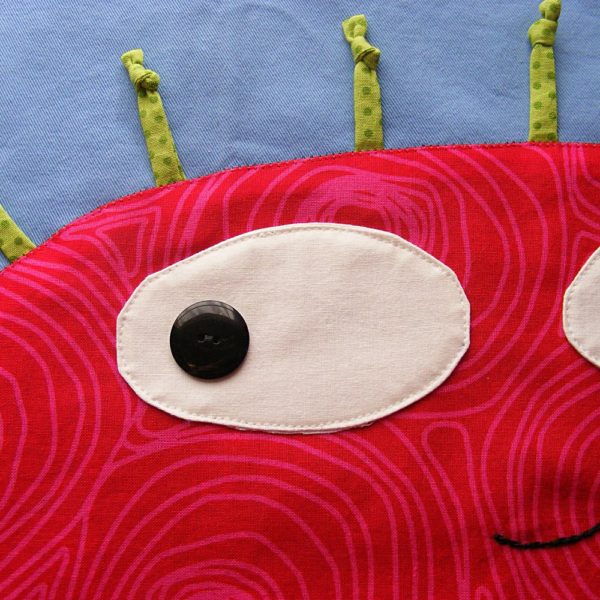
Once in a while I’ll use little tubes of fabric for 3D hair on a quilt – like this silly monster.

Bright red plush ladybug stuffed toy with green antennae and black button eye, soft and colorful for kids' play.

For each lock of hair I sewed a skinny tube, turned it right side out, and tied a little knot in the end before slipping it under the edge of the applique and stitching it down.

But I use fabric tubes most often for softies! Arms, legs, and tails are all just tubes of fabric.

Mischief of Mice - softie sewing pattern from Shiny Happy World

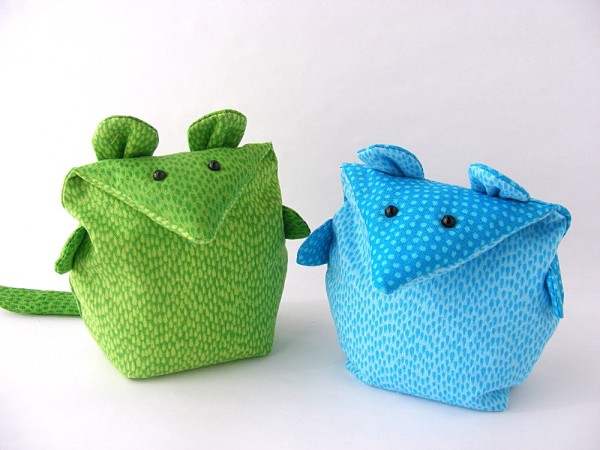
The tails on these mice are extra skinny tubes.

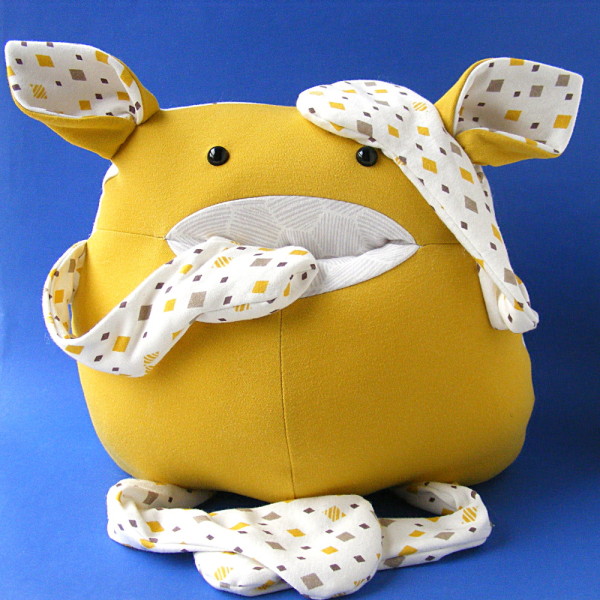
I love making softies with floppy arms and legs, like this Munch Monster.

Use stretchy knit fabric to make extra soft stuffed animals - tips and tricks from Shiny Happy World

Want to practice turning some tubes? These snakes are really fun to make.

finished snakes

And the pattern’s free! Get it here.
Happy sewing!

How to Satin Stitch Points – video tutorial

How to Satin Stitch Points - a video tutorial

Let’s satin stitch points!

I like birds. I like to quilt them. I like to crochet them. And I like to embroider them.

You could satin stitch a bird’s beak with a regular satin stitch, but I make a little tweak to the basic stitch that I think adds a nice dimension to birds’ beaks. It’s not any harder and it gives them just the shape I want. Watch the video to see how I do it.

Want to practice your satin stitch points?

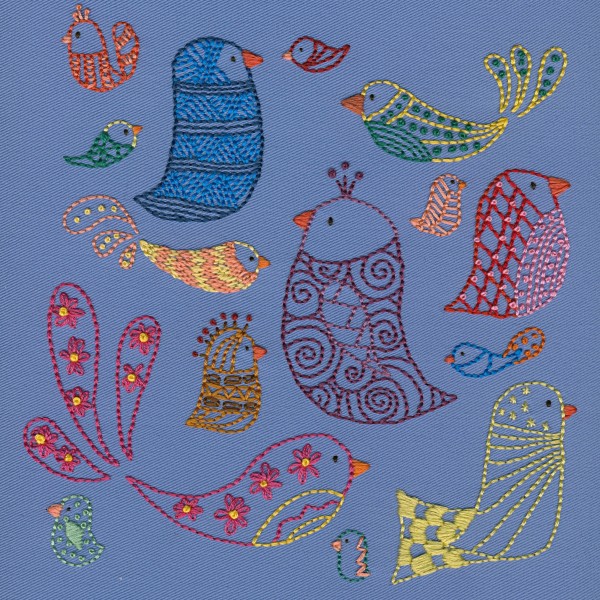
This bird embroidery pattern has lots of them!

Bird Sampler - embroidery pattern from Shiny Happy World. Those bird beaks are a great way to practice how to satin stitch points.

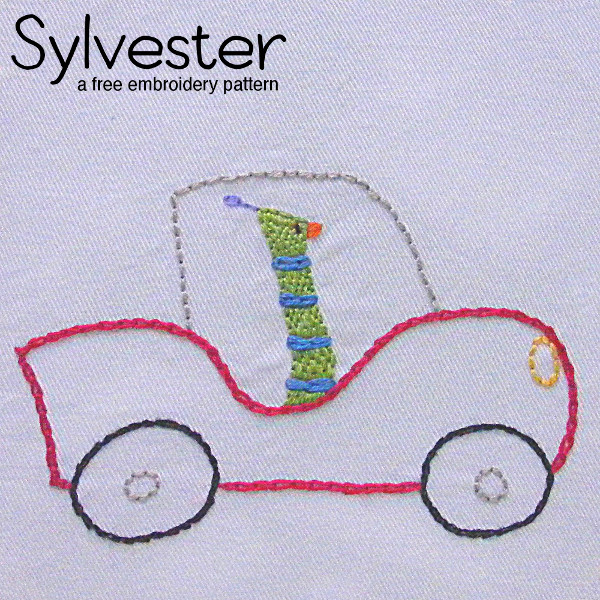
This free embroidery pattern of a bird driving a car has just one.

Colorful embroidered car with a striped green and blue horse on fabric, perfect for kids' embroidery projects.

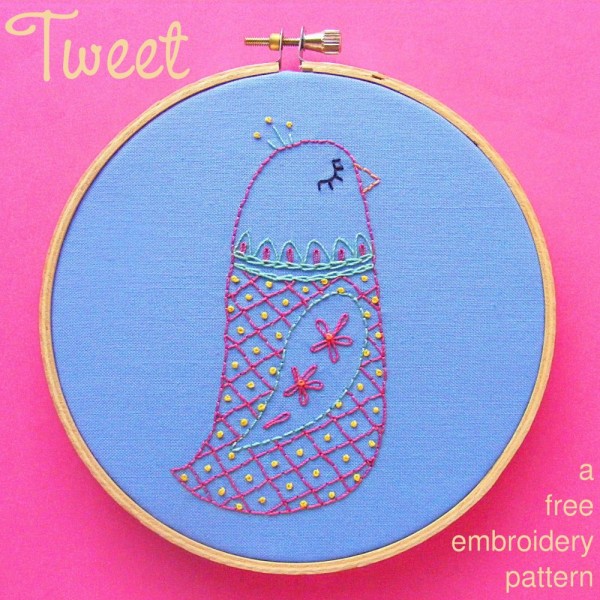
There’s another free bird embroidery pattern here.

Blue embroidered bird in hoop, playful embroidery design, free pattern for crafting enthusiasts, colorful stitch art, bird embroidery craft, nursery decor embroidery, sewing and embroidery project.

I didn’t satin stitch the point of that beak – but you could. The stitches I list in the pattern are always just a guide!

Vibrant handmade crochet toys and patterns from Shiny Happy World.

Here are all my lessons for fill stitches (besides satin stitch).

Return to the Learn to Embroider main Table of Contents.

Move on to the lessons for all the other stitches.

Vibrant handmade crochet toys and patterns from Shiny Happy World.

A little help assembling amigurumi

Today is another ‘Tip Tuesday’! Today, I’m going to share a little tip that helps me when I’m assembling tricky amigurumi pieces (although, you could use this when you’re seaming anything small)!

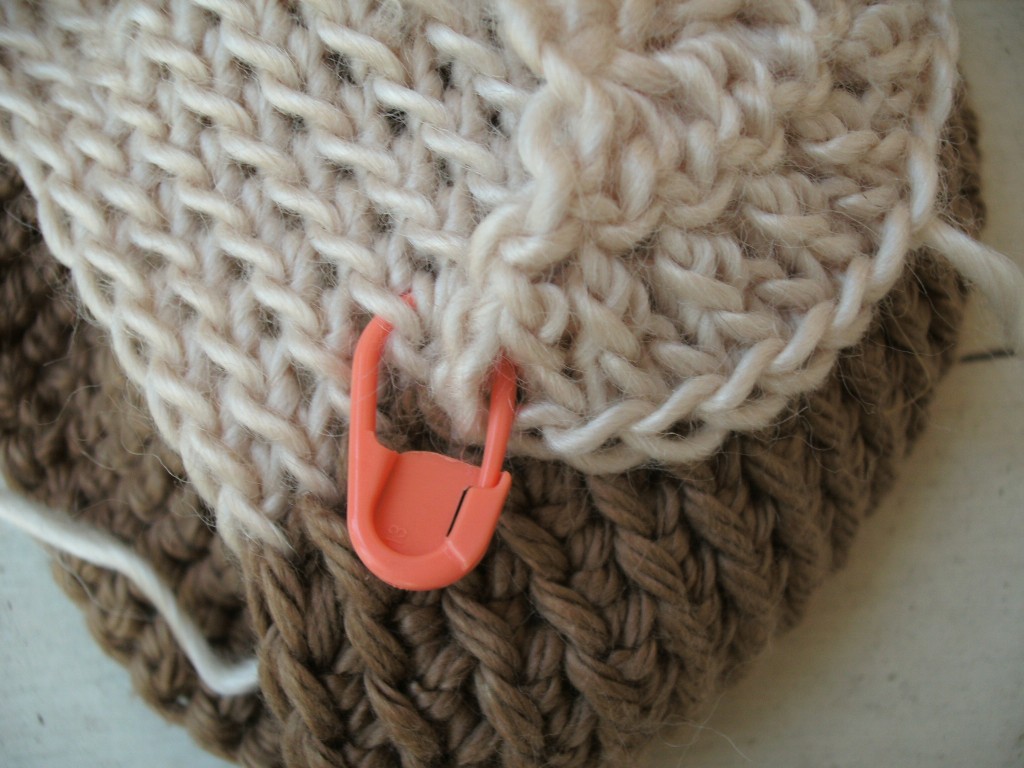
I use locking stitch markers to hold my pieces in place!

locking st marker

I’ve already talked about using locking stitch markers to help you keep track of your rounds while crocheting, but they’re great for holding two pieces of fabric together, as well!

Just place a couple around the piece that you’re attaching, and it’ll be held in place- making your sewing even easier. Yay!

Tips and Tricks for Sewing Curves – video

How to Sew and Clip Curves

You can make an awful lot of stuff just sewing straight lines, but at some point you’re going to want to sew a curve.

Sewing a curved line isn’t really any harder than sewing a straight line – unless it’s a tight curve. And the tighter the curve, the tougher it is to sew smoothly. In the video I show you a couple of tricks for keeping things together when you’re sewing tight curves.

Even more important – I show you what you need to do to those curves after you sew them, so that when you turn you work right side out those nice smooth curves stay nice and smooth.

You can download the PDF of practice lines here. In the video I show you how to stitch right on those lines – but I advise you to print this page out a few times. Practice sewing on the lines until you have a feel for what your machine can do. Then cut a sheet apart along those lines and practice sewing with a 1/4 inch seam allowance along the cut edge of the paper. You can practice sewing with a 5/8 inch seam allowance too – but only practice that on the gentle curve. Keep practicing until you’re ready to try it out on fabric – then change your needle. It’ll be dull from sewing through the paper and you want a nice sharp needle for sewing through fabric.
Happy sewing!

Best,
Wendi
Applique Wendi (with fabulous hat)

How to Satin Stitch – embroidery video

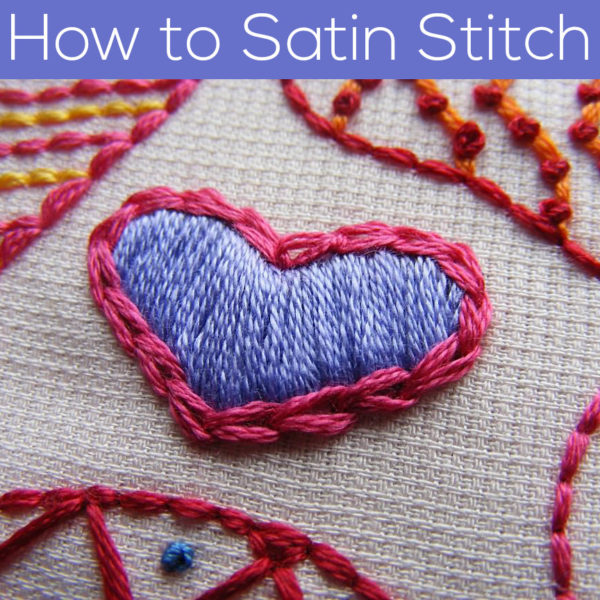
Colorful embroidered heart with satin stitch on fabric - how-to stitching tutorial.

Satin stitch is one of my favorite fill stitches for small areas. It has a smooth (yes, satiny) surface and it’s a very effective way to make small areas pop. I like it when the satin stitched area is slightly raised above the surface of the fabric, and I’ll show you how to achieve that effect. It’s a nifty trick that also makes your stitching easier. I like that kind of trick!

See how easy? Satin stitch isn’t hard – it’s just slow. 🙂

Technically, this is called padded satin stitch. I show it with a ring of split stitch around the edge of the shape. There’s a tutorial showing how to split stitch here.
If you’re filling a larger area, or just want to pad the entire shape, you can use split stitch as a fill stitch to completely fill the area before sating stitching over it.

Another option (which I occasionally use for doll or softie eyes) is to cut the shape out of felt (in a color to match the thread) and then satin stitch over the felt as the padding.

Want the effect you see in that heart in the top photo? After satin stitching the heart, I outlined the shape with chain stitch. Easy peasy and super fancy.

You can find that heart embroidery pattern here.
Vibrant handmade crochet toys and patterns from Shiny Happy World.

Here are my lessons for the four most basic embroidery stitches I recommend for beginners.

Return to the Learn to Embroider main Table of Contents.

Move on to the lessons teaching other options for outline stitches.

Vibrant handmade crochet toys and patterns from Shiny Happy World.