How to Embroider on Paper – video


I love making embroidered cards on paper!

In this post I showed you a few cards I made for my daughter using my embroidery patterns to make collage images. In the card above I glued paper on for the cloud, but I stitched the raindrops with embroidery thread on the paper card. In this video I show you how to do that stitching.

The trick is in pre-punching the holes. In the video I’m punching those holes with an awl I picked up at a rummage sale ages ago. If you just want to play around with the technique you can use a push pin. It works, but it’s not ergonomically friendly. If you’re going to do a lot of this, invest a couple of bucks in the tool I mention in the video – it’s called a potter’s needle and it’s a really inexpensive tool you can find here. It has a thin (but strong) needle and a nice handle that your hand and wrist will thank you for.

On this card I used a running stitch, which I love on paper. Backstitch and lazy daisy also work well, but I don’t recommend split stitch or French knots. If you want to go beyond that just play around and see what works for you! I’d love to see what you make!

Vibrant handmade crochet toys and patterns from Shiny Happy World.

Here are links to all my posts about embroidery tools and supplies.

For Beginners

Specialty Fabrics

Threads

Stabilizers and Pattern Transfer Tools

Return to the Learn to Embroider main Table of Contents.

Move on to the posts about working with patterns.

Vibrant handmade crochet toys and patterns from Shiny Happy World.

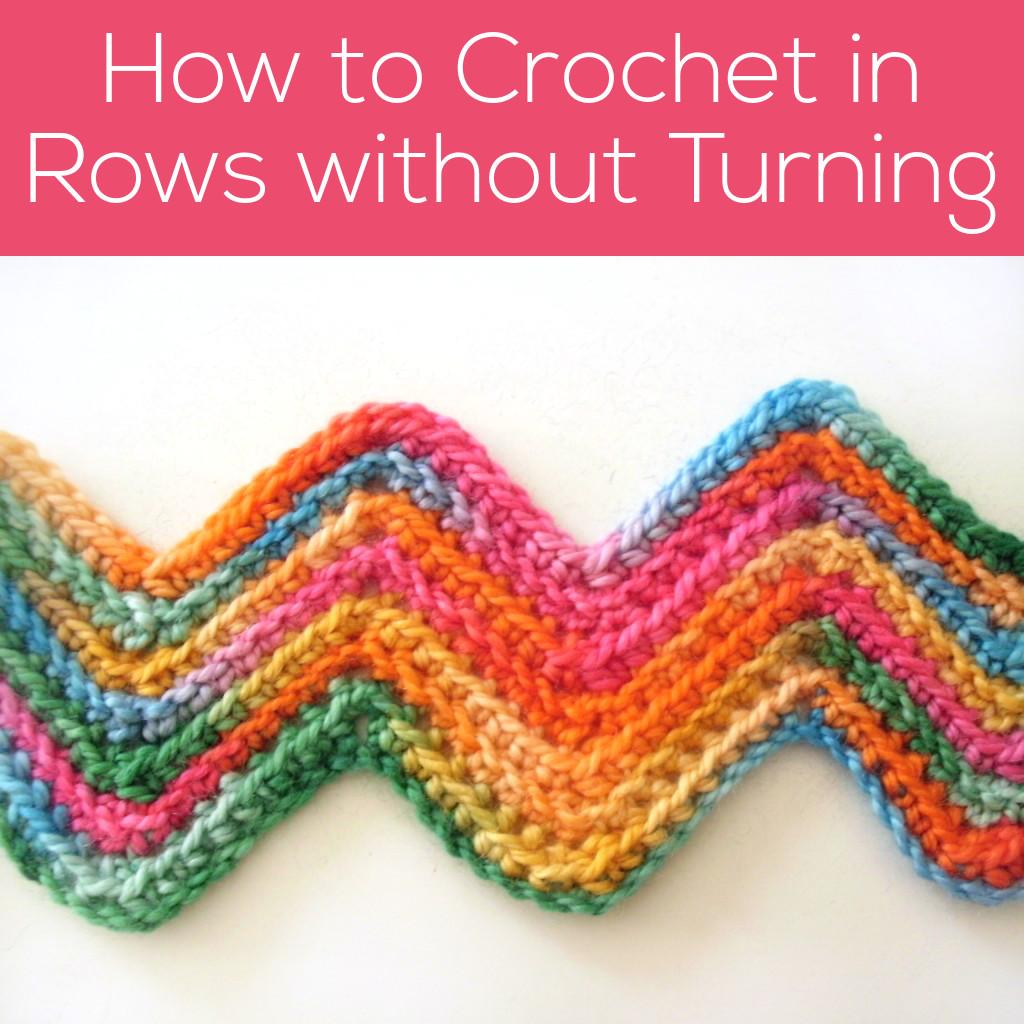
How to crochet in rows without turning

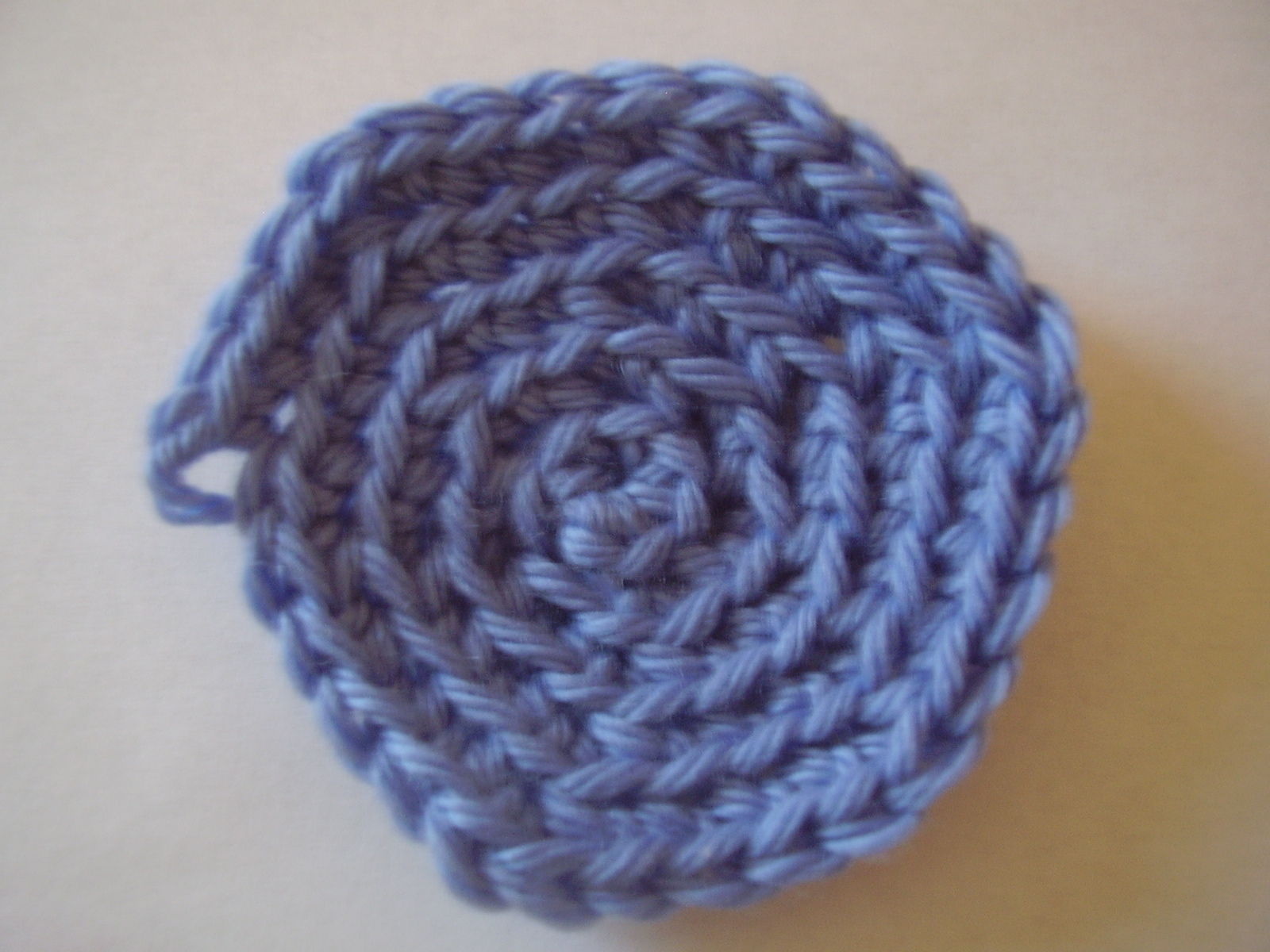
I love crocheting in the round, because I like how the right side of crochet looks. When you crochet in the round (spirals), you don’t need to turn, so you always have the pretty side of the stitches facing you.

Typically, when you crochet in rows, you turn your work at the end of the row, which means that half of your rows have the ‘wrong side’ of the stitch facing you. Particularly because I like to crochet through the back loop (read this post to read about the different loops you can crochet into), I fantasized about ways to make my rows look like my crocheting in the round…

So, here’s the trick: you’ll need to crochet with your non-dominant hand, every other row. Sounds crazy! I know! But, it’s really cool. Let’s walk through it…

(just so you know, I’m right handed, so crocheting with my right hand is my ‘normal’. If you’re left-handed, just switch this around backwards… most southpaws are pretty used to doing that anyway!


To start, I crocheted a chain, and then turned, and crocheted across with my right hand. (You can do the same trick I’m about to show you for the first row, but I just wanted to get us started!).

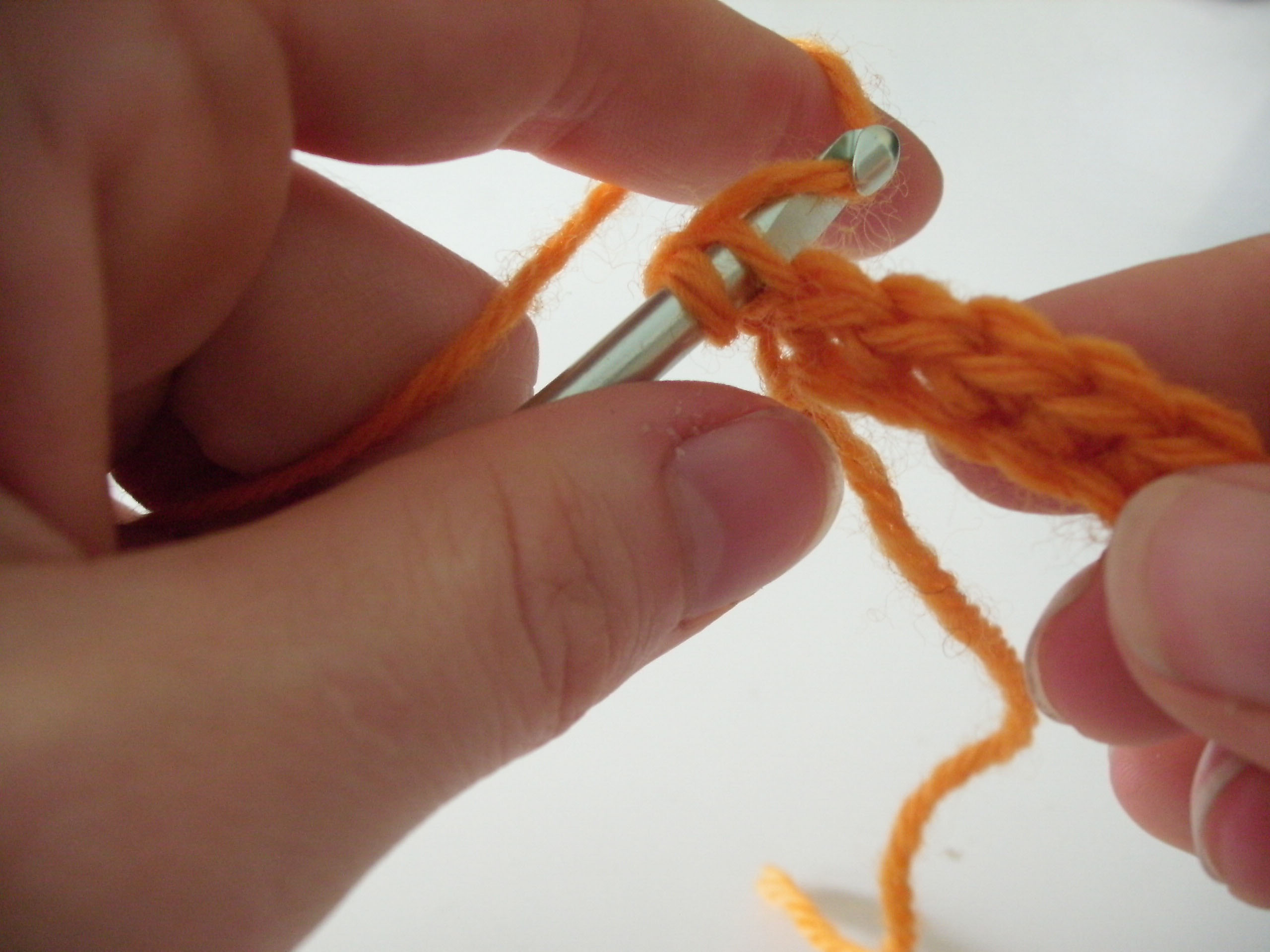
Okay, so now we’re at the end of the row. Chain one, but don’t turn…

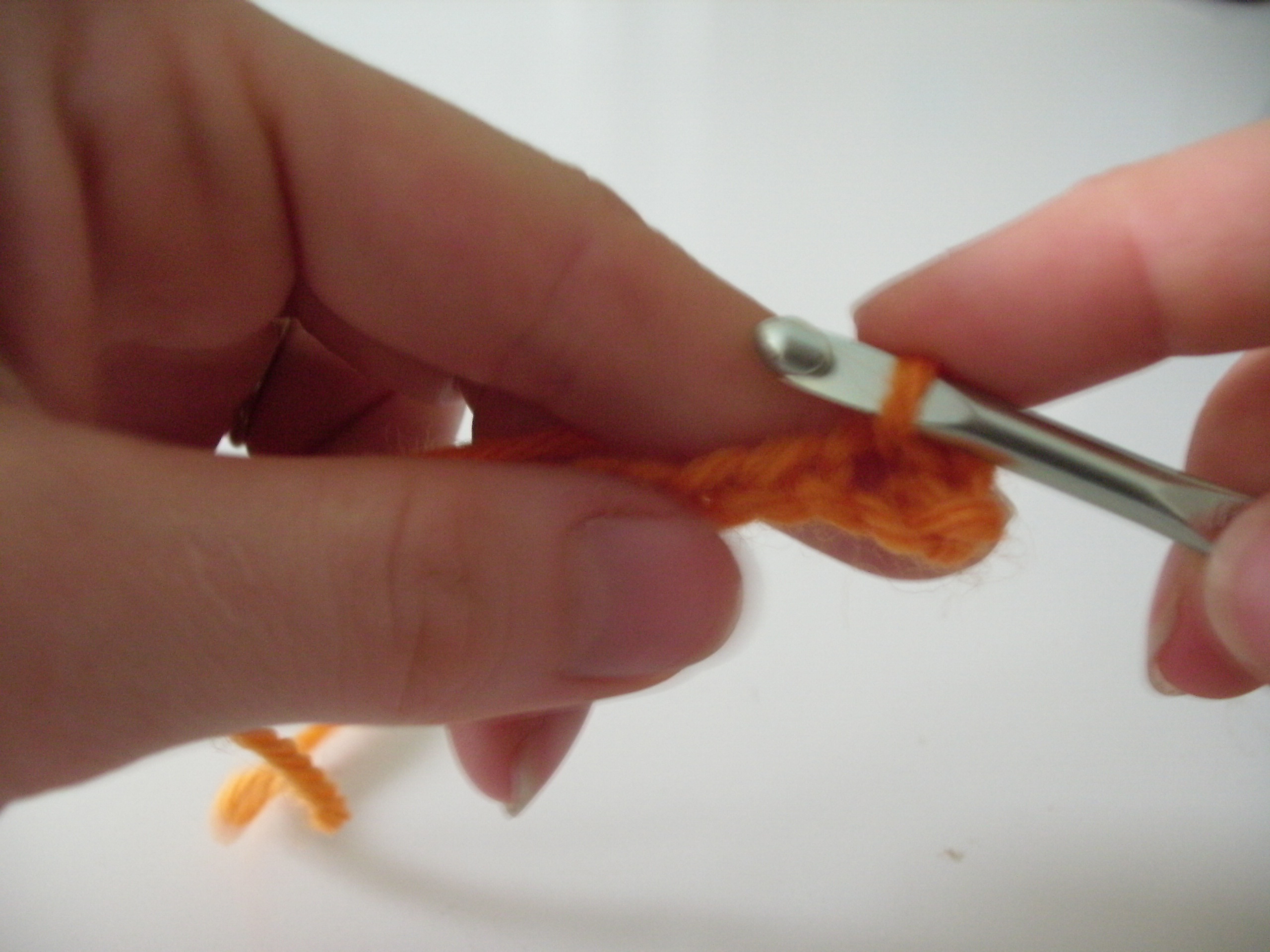
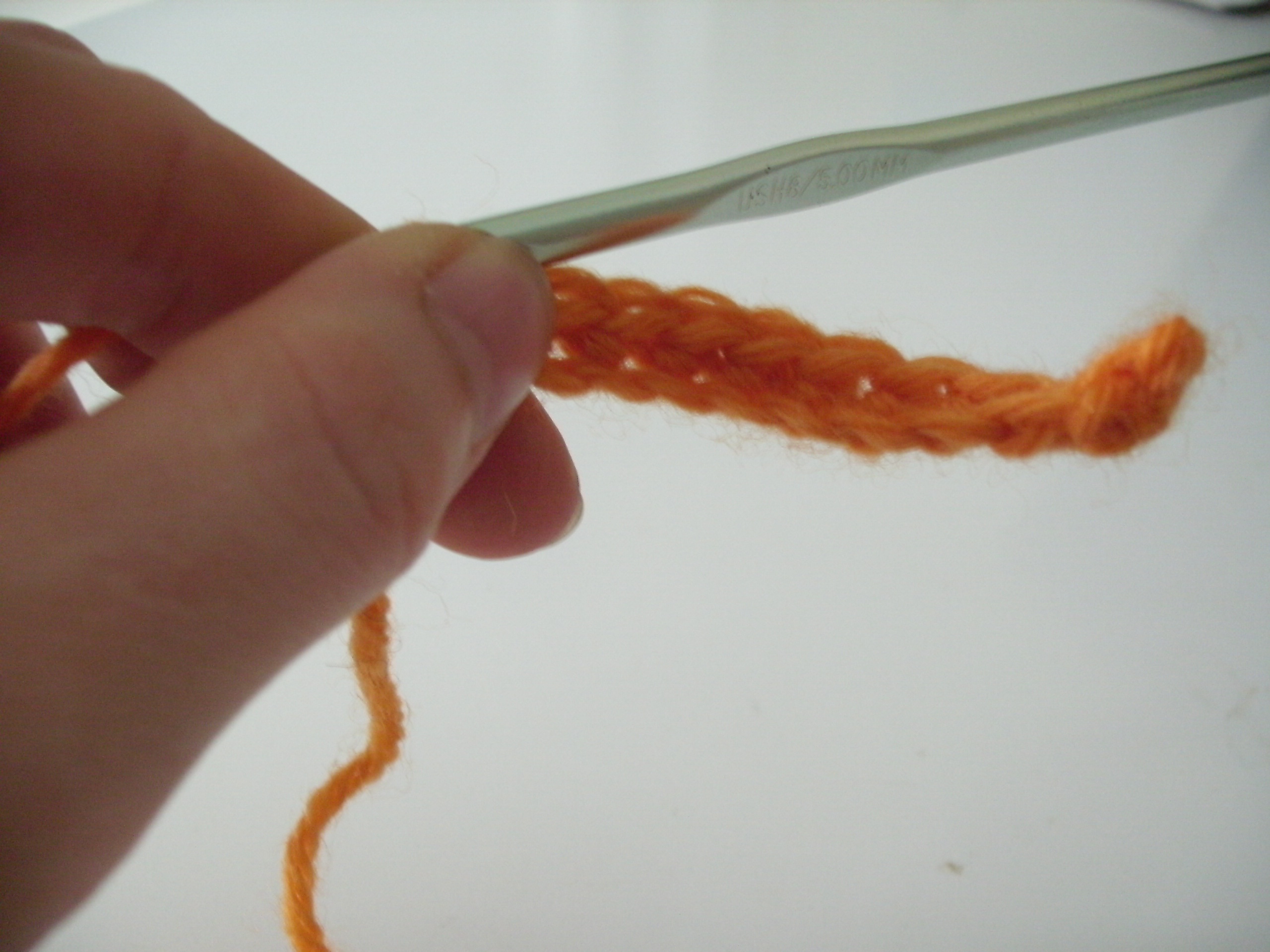
You’re going to hold the hook in your left hand, and work from left to right.

I know! This feels backwards and weird… but give it a try. (Besides, I think it works the other side of your brain and prevents Alzheimer’s… so there’s good reason to do it!) I still don’t have the best technique down (I wrap the yarn with my left hand, still, which is a little funny), but it works!

And look! When you’re at the end of the row, you have only pretty-right-side stitches… just like crocheting in the round!

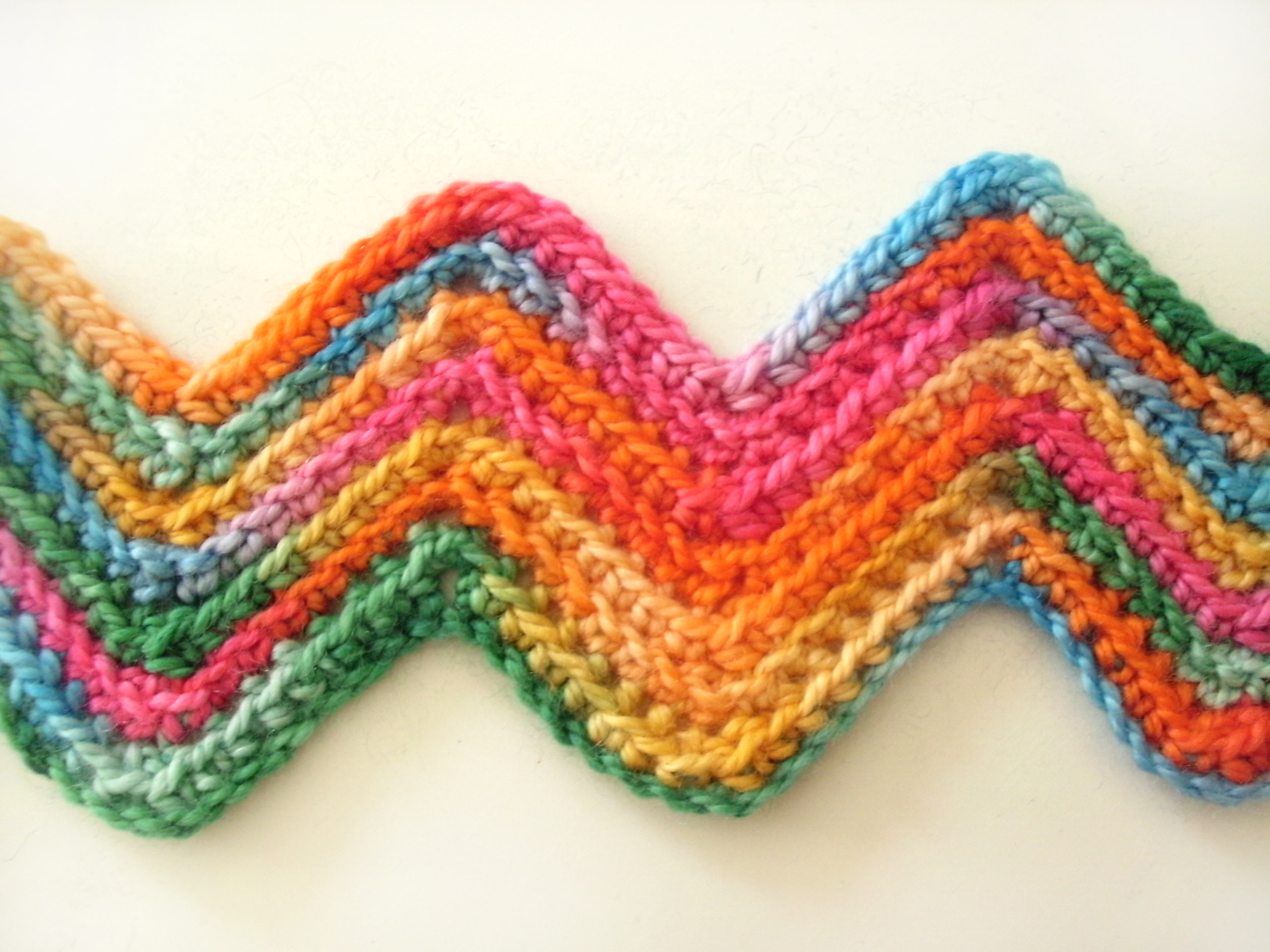
Look at this pretty zig-zag swatch I made with this technique… ridges (from working in the back loops) on every row. Hooray! For those of you who knit, the same technique (knitting left-handed) allows you to work in rows without turning, saving you from the dreaded purl!

Hope you’ve enjoyed this Tip Tuesday! Let me know if you give this technique a try!

How To Use Snaps – video

How to Use Hammer-On Snaps - a video tutorial from Shiny Happy World

Back when I first started sewing, I did everything possible to avoid buttons.

Or zippers.

One of the notions I turned to was snaps. My first experience was bad – I tried using those sew-on snaps, thinking they’d be the easiest option. But I hated sewing them on and I found it really hard to held them in place while I sewed.

My life changed when I discovered regular snaps. A neat professional finish with just a hammer? I had NO IDEA you could do this from home! Why was nobody shouting this from the rooftops? Snaps are really easy to use and look terrific. Here’s how. . .

Give them a try!

That tiny little shirt you see up top is one of the shirts for the Dress Up Bunch dolls. All the dolls have the same basic body pattern – which means they can all share clothes. Fun!

Update! The pretty colored snaps I used to carry are no longer available in shops. 🙁 The good news is that you can now choose individual colors and buy direct from the manufacturer. The best size for Dress Up Bunch doll clothes is size 14.

Happy sewing!

Best,
Wendi
Bright red mushroom with white spots on a dark blue background.


Different ways to space crochet increases!

Happy Tip Tuesday, everyone!

I’m going to chat about a topic that’s very important to amigurumi-making: increases. Why is it so important? Because almost every amigurumi requires that you increase! Today, I’m going to compare two popular ways to position your increases, so when you’re crocheting, you can pick the way you like best!

For this blog post, I’m going to assume that we are crocheting a piece in the round, using the spiral method- that’s going around and around without turning (if you don’t know what I mean, fear not! I’ll talk about the different ways to crochet in the round another day!). To increase, you simply crochet twice in the same stitch… but there’s more to it than that!

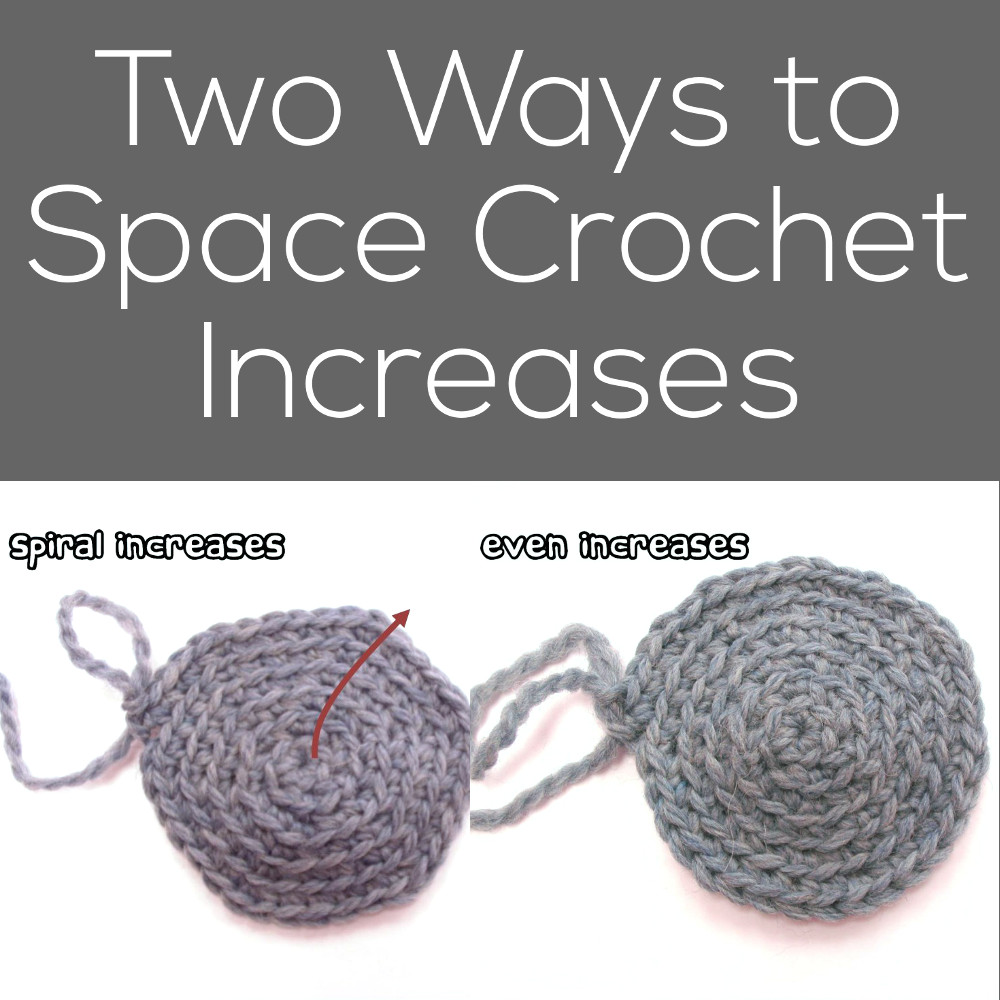
There are two basic ways to space your increases: spiral increases and evenly spaced increases. They give slightly different looks, and different folks prefer different techniques.

Spiral increases


One way to increase is the ‘spiral increase’ method, where you position the increases at the same spot in every round. Instructions for this type of increase typically look something like:


Round 4: [sc twice in next st, sc in next 2 sts] 6 times (24)
Round 5: [sc twice in next st, sc in next 3 sts] 6 times (30)
and so on…

In this technique, the increases occur evenly spaced from each other, and at the same spot every round, so you can see a spiral shape occurring (see the arrow in the photo above) with the increases.

Advantages to the Spiral increase technique

  • The instructions for doing this technique are easy to write/read
  • Because you are increasing at the same spot every round, you can eventually learn to increase without counting (yay!)

Disadvantages to the Spiral increase technique

  • Only works well if you are making a simple circle (and not a more complicated shape)
  • Some people don’t like the look that the spiral makes

Even increases


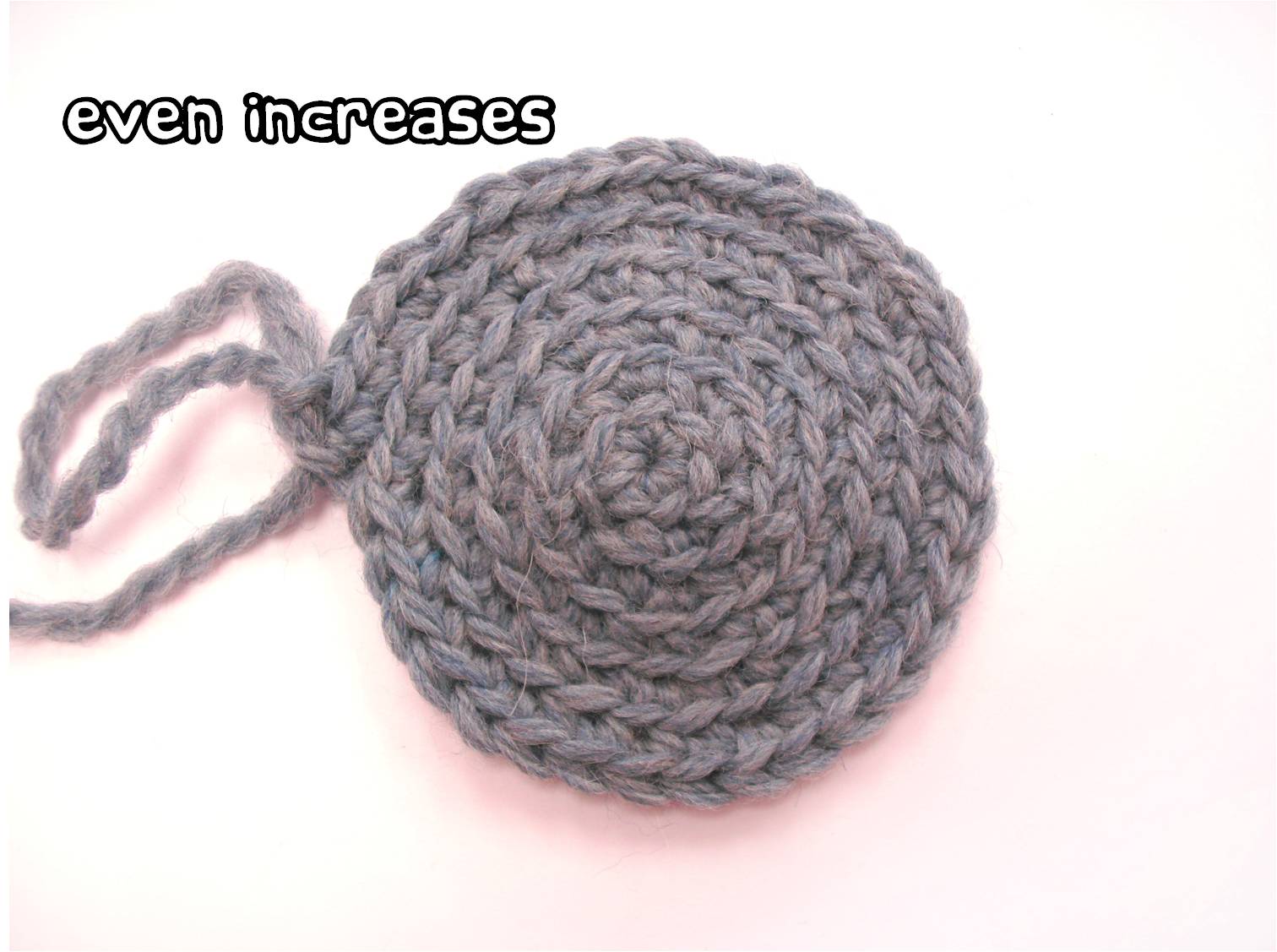
A second way to increase is to position the increases at random (but evenly distributed) around the round. Instructions for this type of increase typically look something like:


Increase 6 sts in each round for the next 4 rounds.

In this technique, the increases don’t occur in the same spot every round, so they become a less pronounced part of the design. Notice how this increase results in a more circular shape, as compared to the spiral increases, which make a hexagonal shape.

Advantages to the Spiral increase technique

  • The instructions for doing this technique can be very condensed
  • Because you only need to make sure to increase 6 times per round, counting isn’t very necessary
  • Some people find the roundness more aesthetically pleasing

Disadvantages to the Spiral increase technique

  • It can be difficult to make sure the increases are randomly distributed
  • Although the instructions are short and condensed, they can be tricky to spell out, and can be tricky for beginners

What will you choose?

It’s a personal choice that’s up to you! I’m a spiral-increase kind of girl… what kind of increaser are you?

Best,
Stacey

The colorway I’m freaking out about…

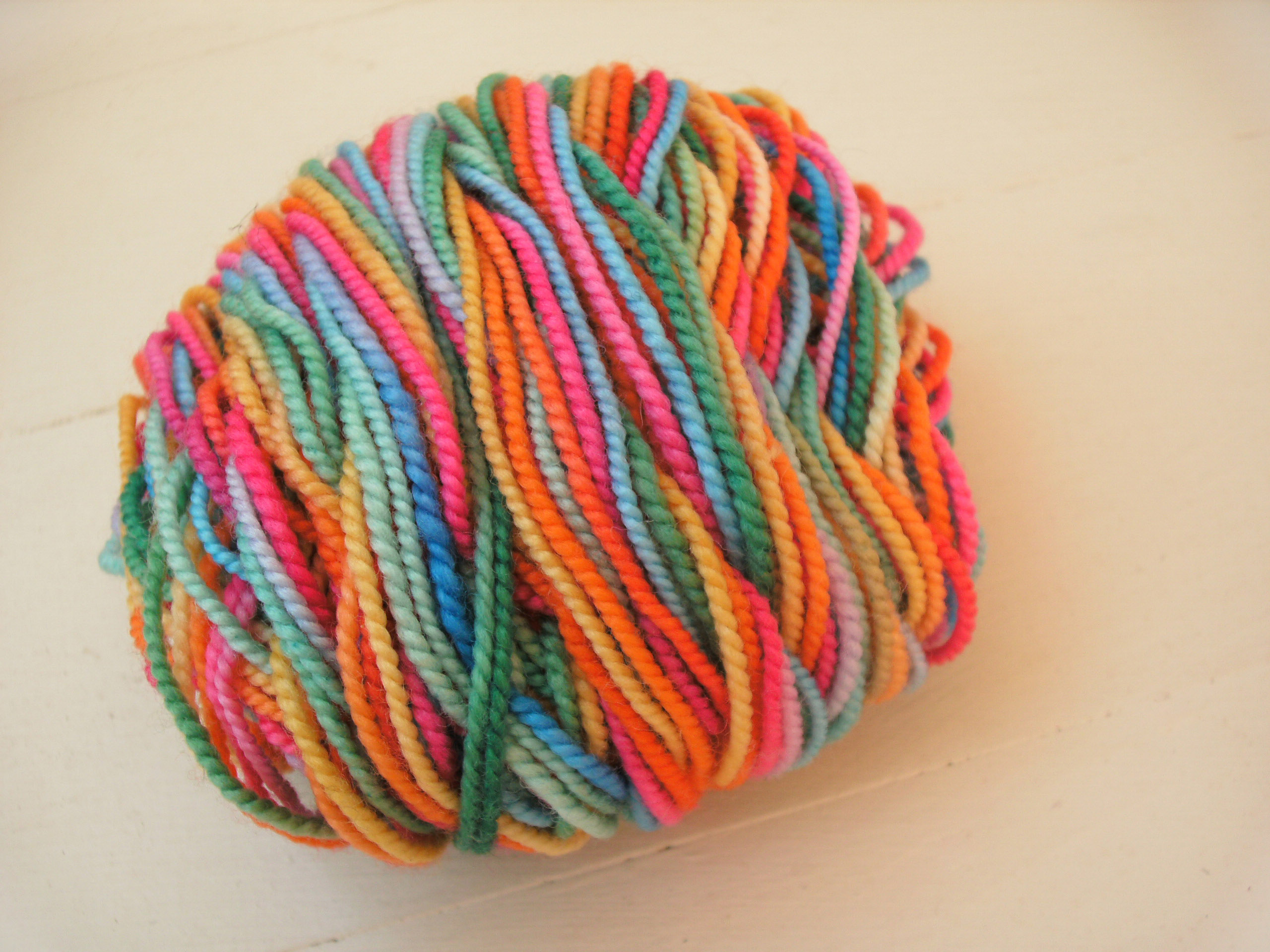
Every once in a while, I spot a yarn that I totally fall in love with. My current obsession is Claudia Handpainted Fingering weight yarn in colorway: Circus Dancer.

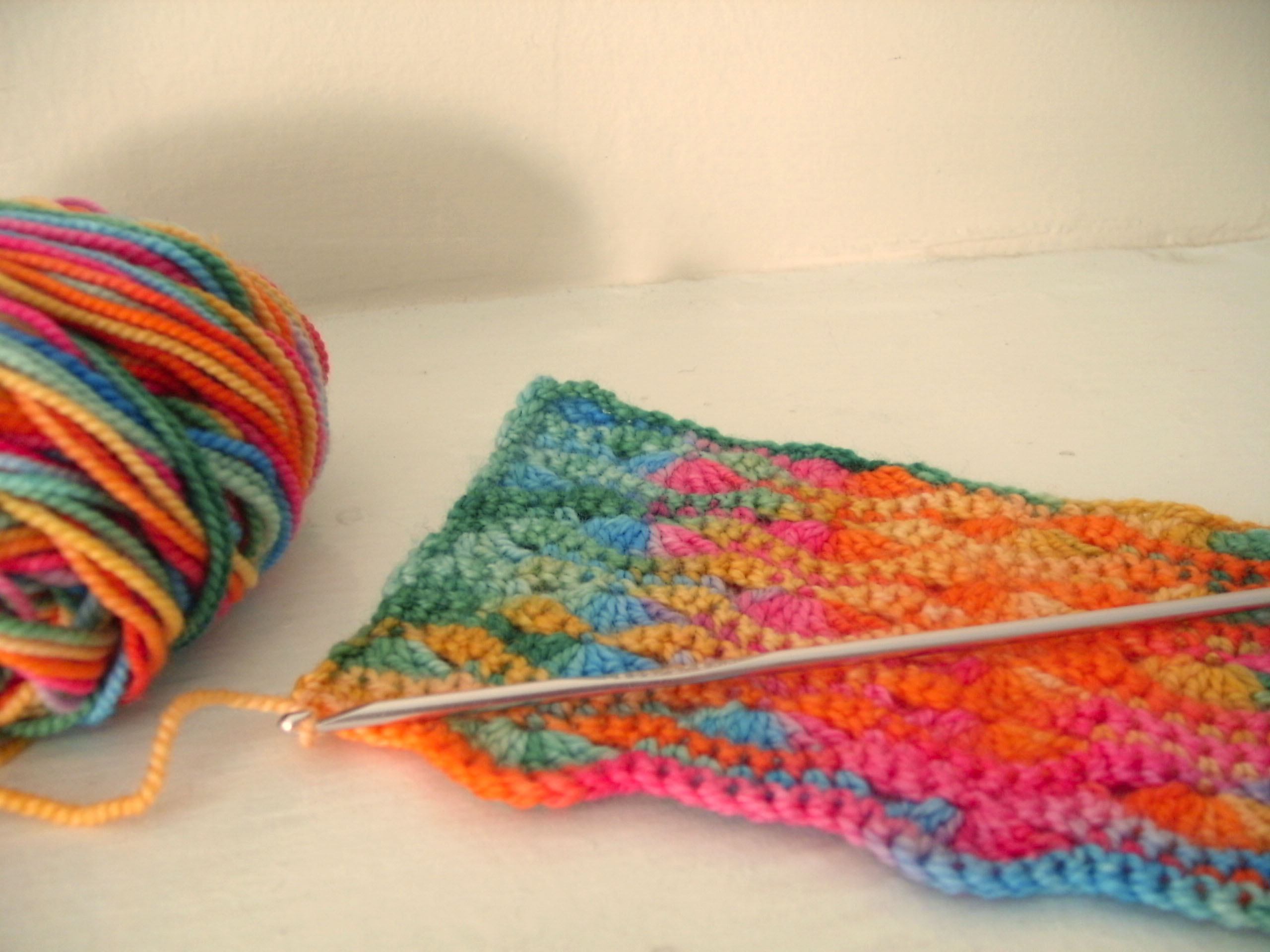
Isn’t it beautiful? I’m obsessed with the super-bright blue, orange, pink and green! I couldn’t help but start swatching immediately with it…


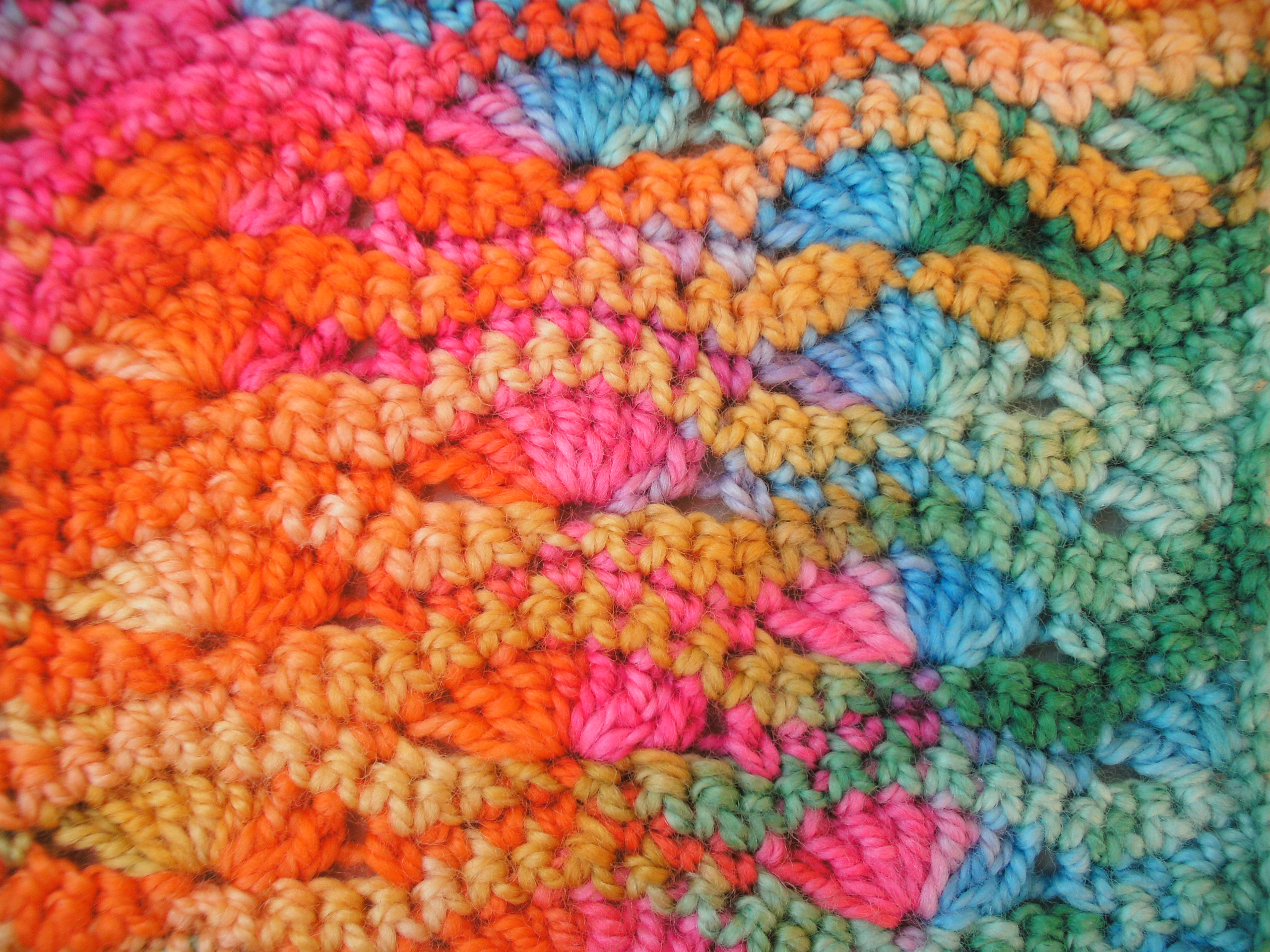
This stitch pattern is called ‘Wavy Shell Stitch I’, and is from Harmony Guides: Basic Crochet Stitches… doesn’t it complement these awesome colors beautifully?


All I can say is ‘yummy’!

Best,
Stacey

Playing with Paper

Today my daughter is about halfway through her 3-week stay at camp. THREE WEEKS! She’s never been gone more than a week before! And those previous trips were to stay with family. I miss her – but I know she’s having a great time. I knew she would love it the second we set foot on the grounds – and every one of her letters confirms what a terrific time she’s having. Her last letter began with “I am so homesick” and then went on to detail everything she loves about camp. She loves the food – especially the bread (there’s fresh-baked bread every day). She quoted songs she’s learning. She’s gone swimming almost every day. She loves skits. Her tent mate loves the book of scary stories she brought with her and could I please send the other one in the series?

I don’t think she’s actually homesick. I think she’s trying on the idea of homesickness. And that’s okay. I want her to be happy to be there – and then happy to come home when that time is over.

The letters have, of course, been going both ways. We came home the other night to TWO bats in the house, so that gave me lots of exciting news to tell her.

I’ve been using some of her favorite patterns to make the cards I send to her – and I thought I’d share those with you today.

Bright pink striped cat illustration with a teal background, showcasing fun and colorful sewing projects.

This one is made from the Sly Cat embroidery pattern – shrunk down a bit to fit on a card.

Cute illustrated bear with a red heart on a bright yellow background, whimsical and playful design.

This one is made from a bear applique pattern. I had to shrink this one down a bit to fit on a card – but that’s easy to do with a copy machine or computer.

This one I had to enlarge just a bit to be a good card size. It’s one of the girls from the Rainbow Girls embroidery pattern.

I love making collage pictures like this. I have an enormous collection of paper that I’ve painted with various textures and it’s really easy to use the embroidery or applique patterns as a guide. I tape the pattern up in a window, then hold my painted paper over it and trace the shape I want to cut out. Cut it out with a pair of scissors or an exacto knife and glue it down with a glue stick. Easy peasy. I draw the faces (or other fine lines) with a fine-point Sharpie. If you want to stitch lines on this paper – this video will show you how.

If any of you have experimented with other ways to use the embroidery or applique patterns, I’d love to see them!

Hope you all are having a great week!

Best,
Wendi

What size is my crochet hook?

Welcome to another Tip Tuesday! Today, I’m going to tell you how to figure out what size your crochet hook is.

Now, if your crochet hook has the size written on it (either a letter or a number), then you can stop reading this blog post and continue crocheting. However, if you have an older hook, a handmade hook or perhaps a hook from a lesser-known company (that may not always write the size on the hook), then you’re going to need a way to know what size it is!


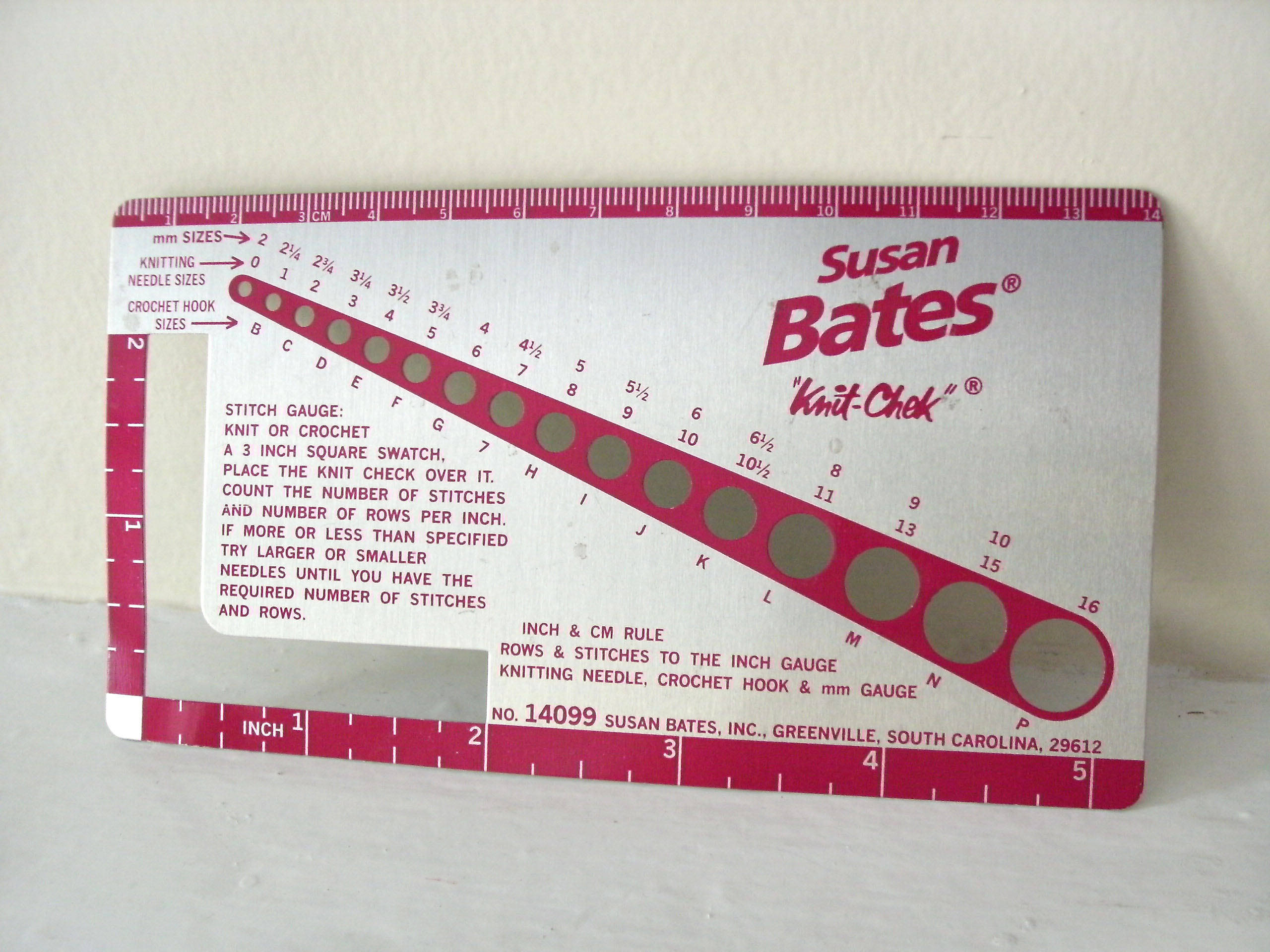
Meet Mr. Gauge… he’s your friend! Many people think that needle gauges are just for knitters (including, apparently, Susan Bates- the maker of this gauge- since it’s called ‘knit-check’), but it’s not true! A gauge will tell you what size your hook is!


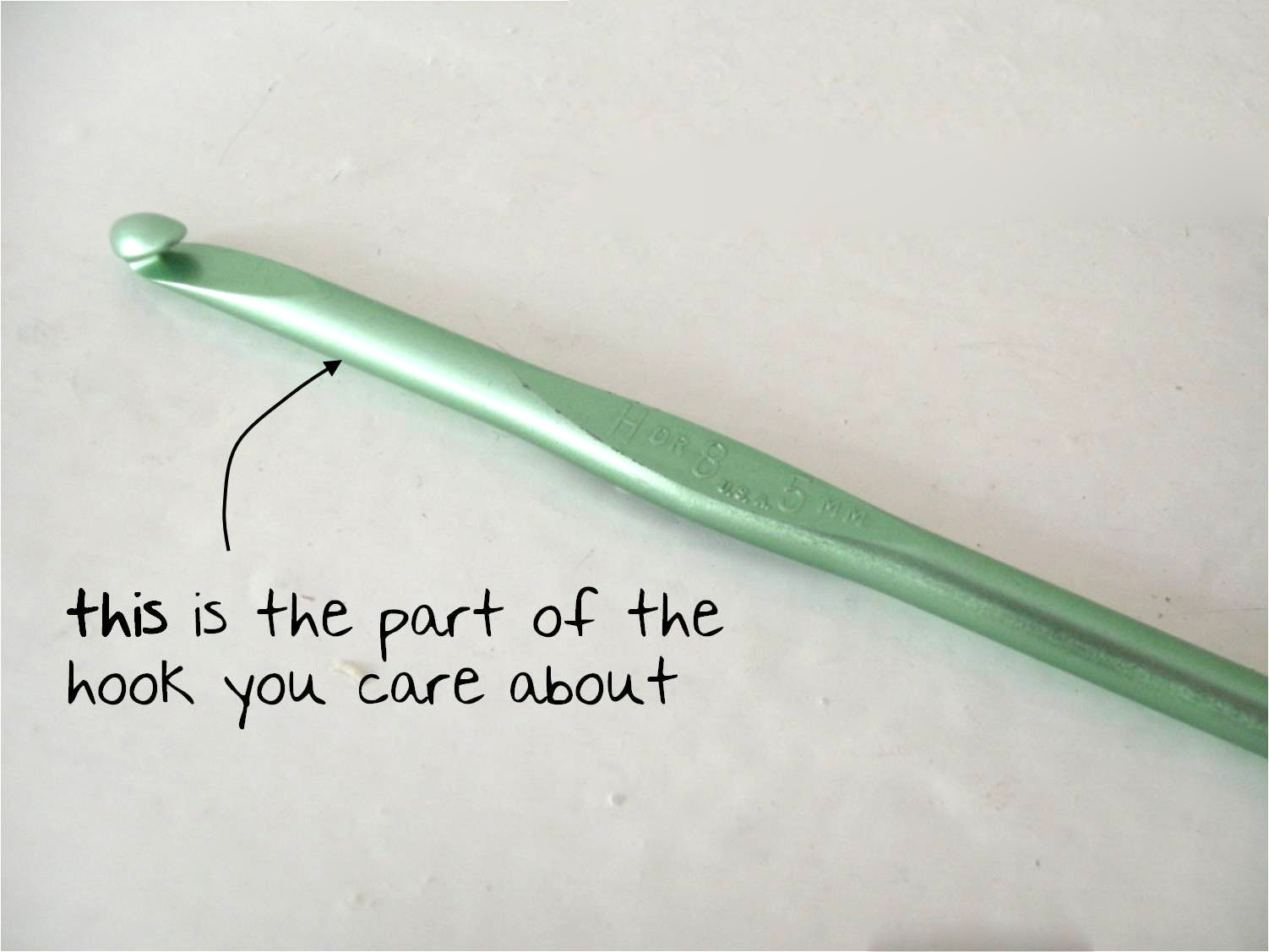
First, look at your crochet hook. The part you want to measure is what’s called the ‘shaft’, and it’s the part below the hook that’s a plain cylinder. Don’t measure the very skinny part right below the hook (this is called the throat), because then you won’t get an accurate size.


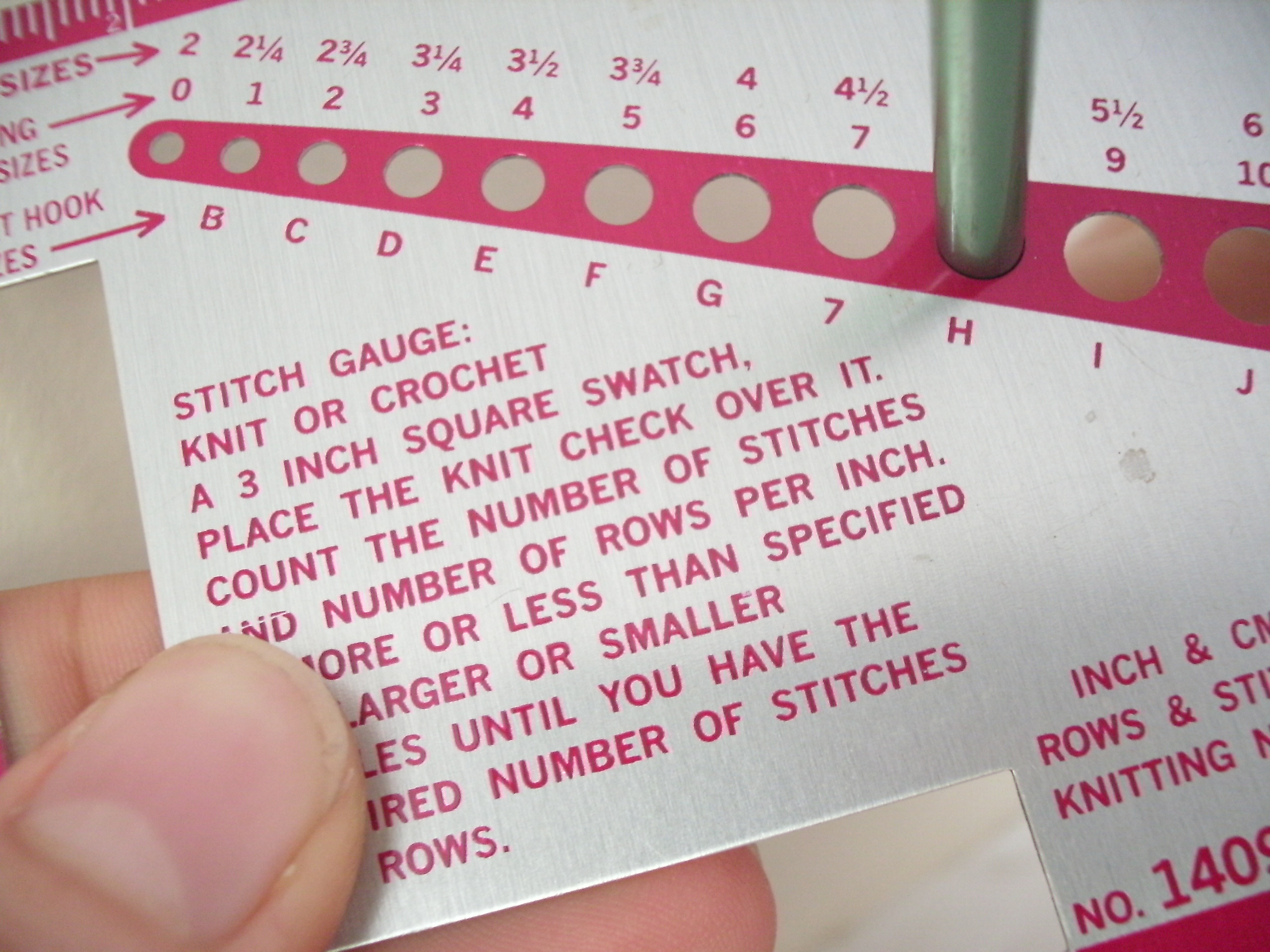
Now that you know what part of the hook to measure, stick it in each hole of the gauge! If your hook doesn’t fit into the hole, then that’s not the right one. You’re looking for the hole that is exactly the same size as the shaft of your hook… check out the picture above- see how my hook is an H? There’s no extra wiggle room!


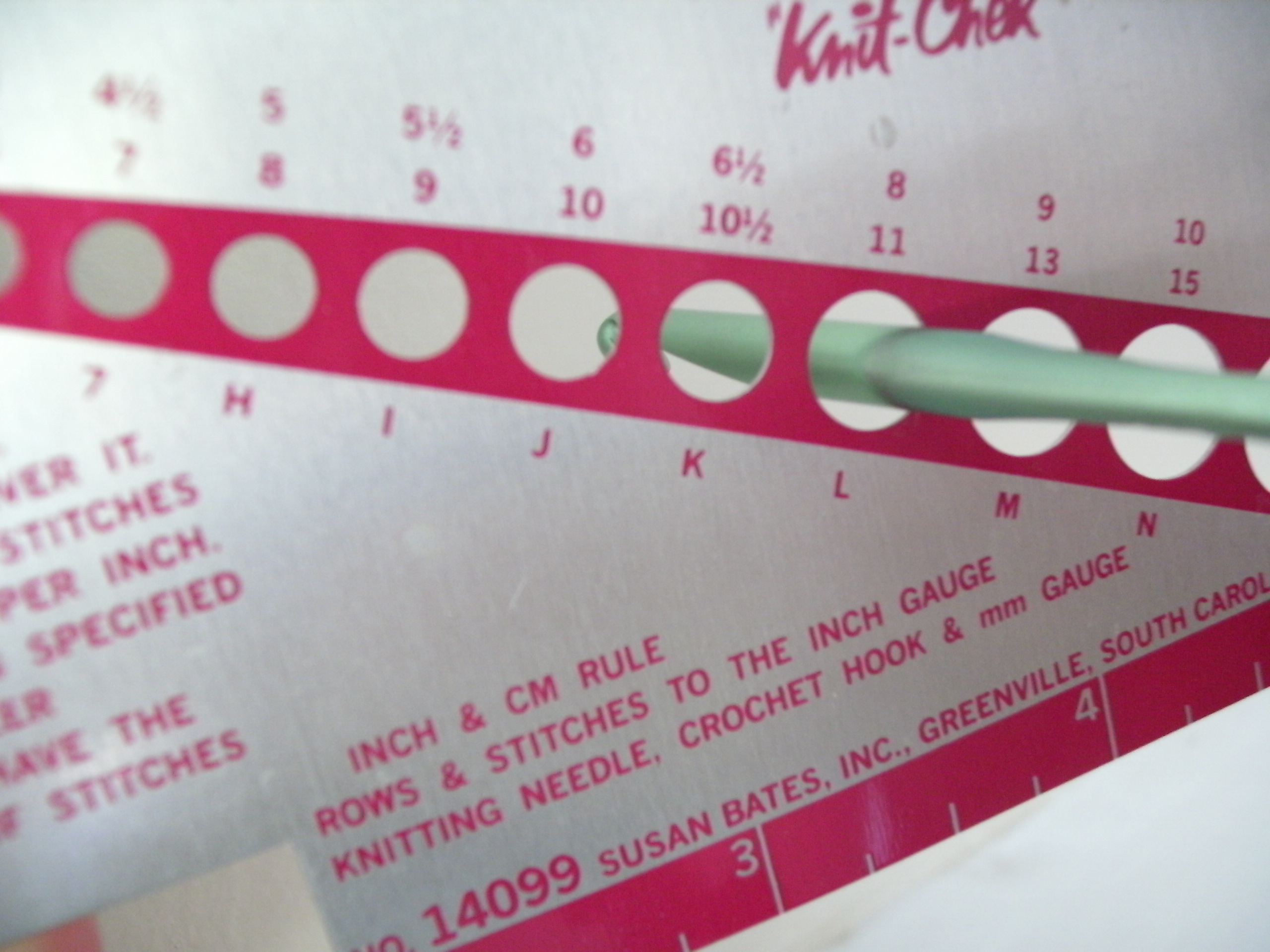
It’s pretty easy to tell that my hook isn’t a size L… look at all that extra room! No good!

So, there you have it! If you’ve got any mysterious hooks, grab a gauge and you’ll know what size they are!

Come Visit Me at Made By Joel

Made by Joel Embroidery

Hey everyone! I’ve got a guest post over at Made by Joel – one of my very favorite blogs!

For those of you who don’t know about Joel – he’s an awesome Dad who make The Most Amazing Toys for his kids. Simple things out of everyday materials that have LOADS of play value. Scroll through his archives and order his book, Made to Play!. It looks fabulous!

Anyway – Joel does these terrific coloring pages – really great lines drawings that just beg to be embroidered. So I stitched one up and wrote up a post on how to do it.

There’s a lot of info you’ve already seen on my site about how to transfer the pattern and what some of the basic stitches are. But I also include some information about my thought processes as I made the design decisions about what stitches to use where, where to add color, and what color thread to use. I think it would be useful to anyone who wants to learn more about making their own embroidery design decisions.

Check it out!

Best,
Wendi

10 Tips for Sewing with Kids

10 Tips for Sewing with Kids from Shiny Happy World

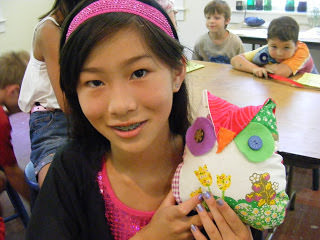
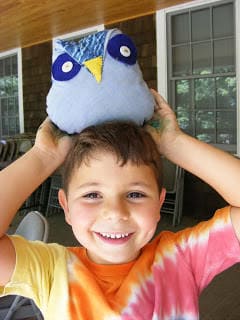
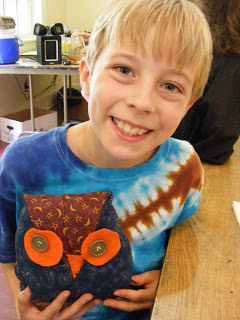
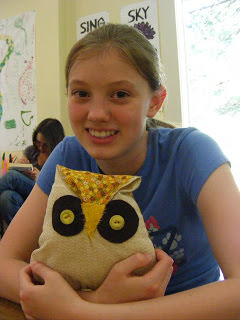
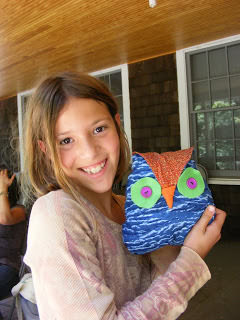
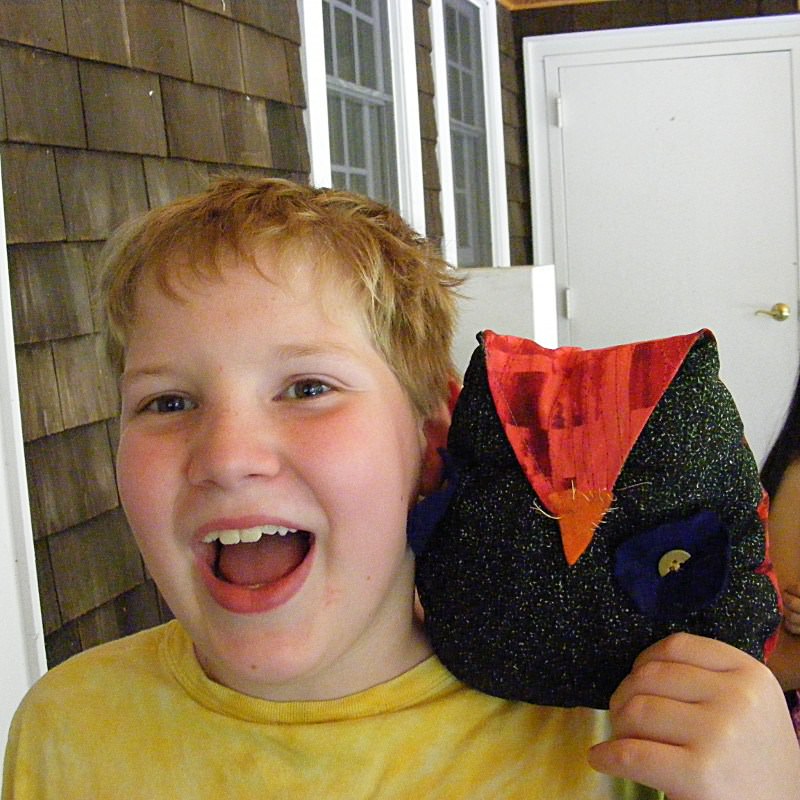
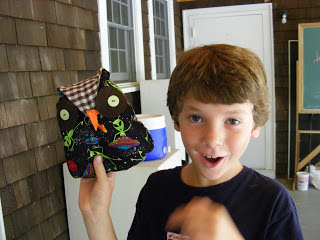
Last week I sewed owls with 20 kids in the Harry Potter Camp I taught, and it reminded me to write up a post with some tips on sewing with kids. I’ve taught a LOT of kids sewing classes, and I’ve learned a lot over the years. So here are my top 10 tips for sewing with kids, in no particular order.

1. Let them choose the fabric. 
Nothing gets them more excited to start the project than to get to choose their own fabric. Nothing. And this is your first chance to let go of what YOU think the finished project should look like. They are guaranteed not to choose the fabrics you would have chosen. And that’s okay.

2. Prepare easy-to-trace pattern pieces by cutting them out of cereal boxes or manila folders.
Punch holes where they need to transfer markings (like for placement of eyes). Let the kids trace around the pattern pieces directly onto the fabric and THEN cut things out. It’s much easier for them to cut smoothly on a drawn line than to cut around a pattern piece pinned to fabric. Also – help them place the pattern piece efficiently on the fabric – otherwise you’ll end up with small holes cut exactly out of the middle of large pieces of fabric.

3. Draw the stitching lines on the fabric for kids.
Whether sewing by hand or on the machine, it’s almost impossible for them to follow an imaginary line. And when they’re sewing on the machine, every instinct is telling them to keep an eye on the needle – not on the ruler engraved into the throat plate. If you draw the lines for them they can watch the needle AND guide the line right into it.

4. Don’t force them to use the machine if they’re scared of it.
On less complicated pieces I’ll let them push the foot pedal while I steer. After a few tries with that they’re usually ready to sit at the machine themselves. If you do this you need to be very clear with them that when you say STOP they need to immediately take their foot all the way off the pedal. Immediately! Look them in the eye and make sure they understand.

5. If they are hand-sewing, try letting them use hand-quilting thread instead of all-purpose.
It doesn’t tangle as easily and it’s easier for them to thread a needle with the stiffer thread. I don’t tie the thread onto the needles and there’s usually a lot of re-threading until they get the hang of how to pull it through without pulling the needle off the thread.

6. Give them specific guidance.
For example, when stuffing softies they’ll be amazed at how much stuffing it takes. Look at the softie, see where the empty spots are, and tell them to add more stuffing here and here. Or tell them to add 6 more big handfuls and then bring it back to you.

7. For repetitive tasks, give them a mantra to repeat.
When I show kids how to whipstitch a stuffing opening closed, I’ll show them that it’s like a little mouth and they need to poke the needle “up through the bottom lip, up through the top lip, and pull, up through the bottom lip, up through the top lip, and pull.” Encourage them to say the steps out loud while they do it. Your class will be full of muttering kids, but for repeating multi-step processes, there’s nothing like it for helping them remember what to do and keeping them focused.

8. Let them do it themselves.
Their stitches will be crooked and their buttons will be loose and you’ll be astounded at the snarls of thread that can result – but they will be SO PROUD! The more they do themselves (and the more pride they feel) the more they’ll want to do it again. And the more they do it, the better they’ll get and all those beginner mistakes will start to disappear.

9. Let go of your own ideas of what the finished project should look like and follow their lead.
One kid in the Harry Potter Camp added a cape to his owl – which means that lots of kids wanted to add capes. So I showed them how to add capes. One very young child brought me a long, scraggly scrap of fabric that he wanted to attach as a cape. It was easily three times as long as the owl. Just as I was opening my mouth to suggest trimming it shorter, he started to tell me how great this super-long piece of fabric was because now it was a cape that the owl could use to whip around and knock down his enemies. In my eyes it looked awful – like he had just grabbed the first scrap that he came to. But he had a vision and he was so happy to have that vision realized.

10. Have fun!
When you’re sewing with kids, choose projects that are easy and simple – with not too many steps or pattern pieces. Happily, those are usually also the patterns that have lots of room for playing around with them.

Don’t you love all those owls? You can make one too! The pattern is available here.

Happy sewing!

Best,
Wendi

What’s the right way to hold a crochet hook?

It’s a question that I see on forums all the time: what’s the right way to hold the hook? So, I though I would tackle my answer to this question for this Tip Tuesday: and I think that the answer is good news for most of us… there’s no right way! As long as you’re holding the hook in a way that allows you to crochet comfortably, then that’s the right way for you!

There are two very popular ways to hold a hook: the pencil hold and the knife hold: named because the holds resemble how you would hold other items.

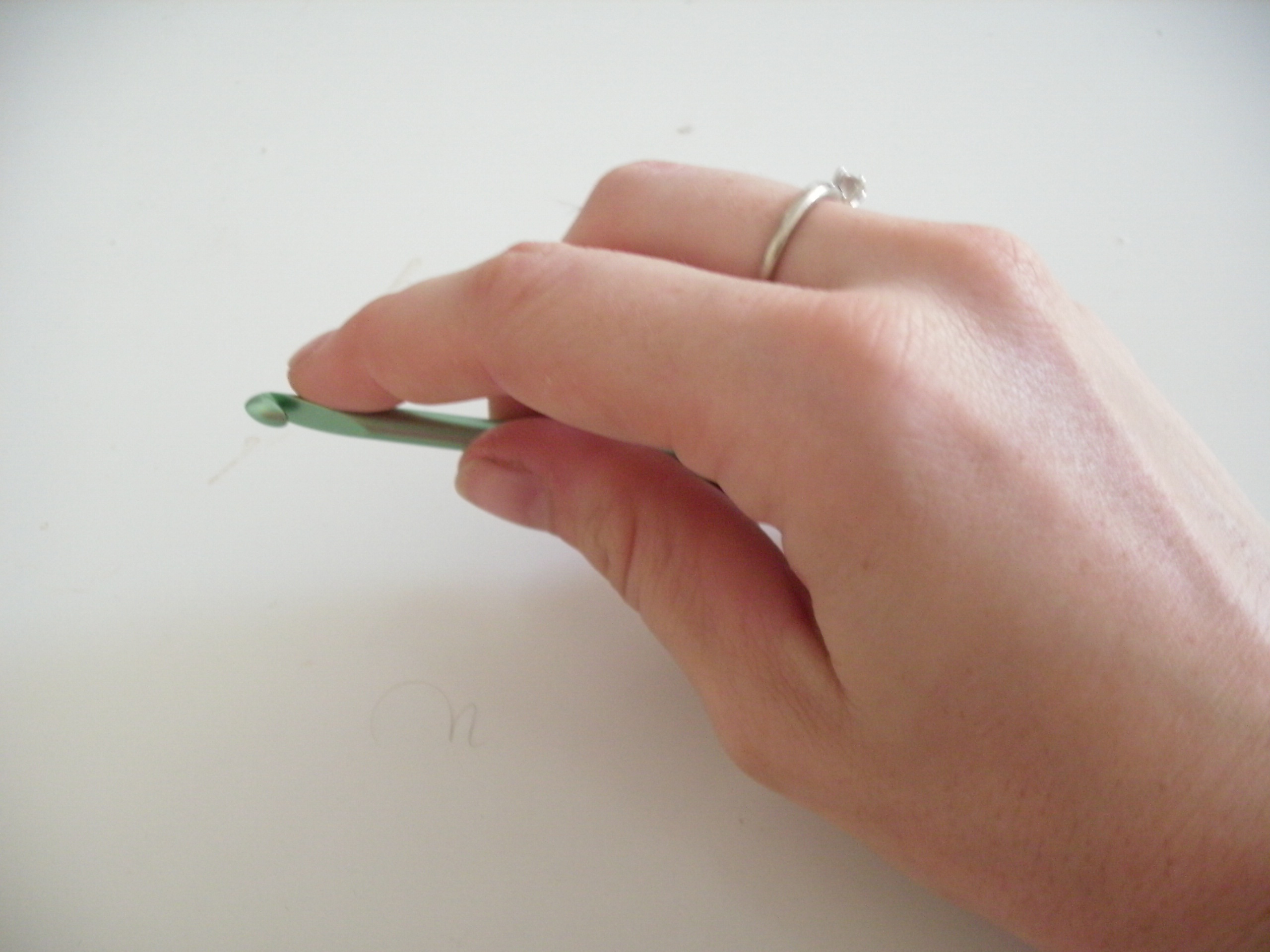
The Pencil Hold
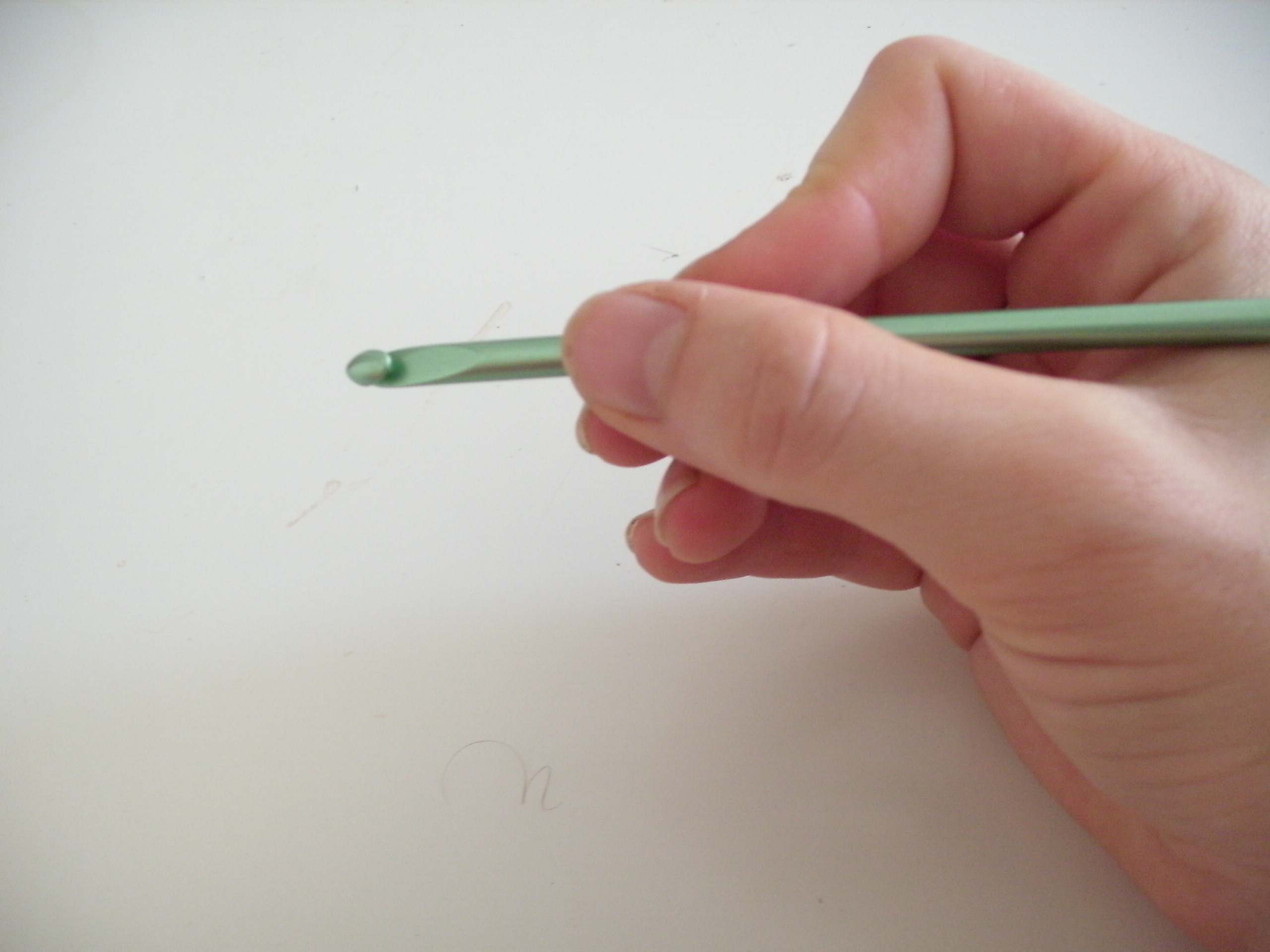
The pencil hold is the name for the method of holding your hook like you would hold your pencil. In this method, the hook rests on top of your hand, as pictured:

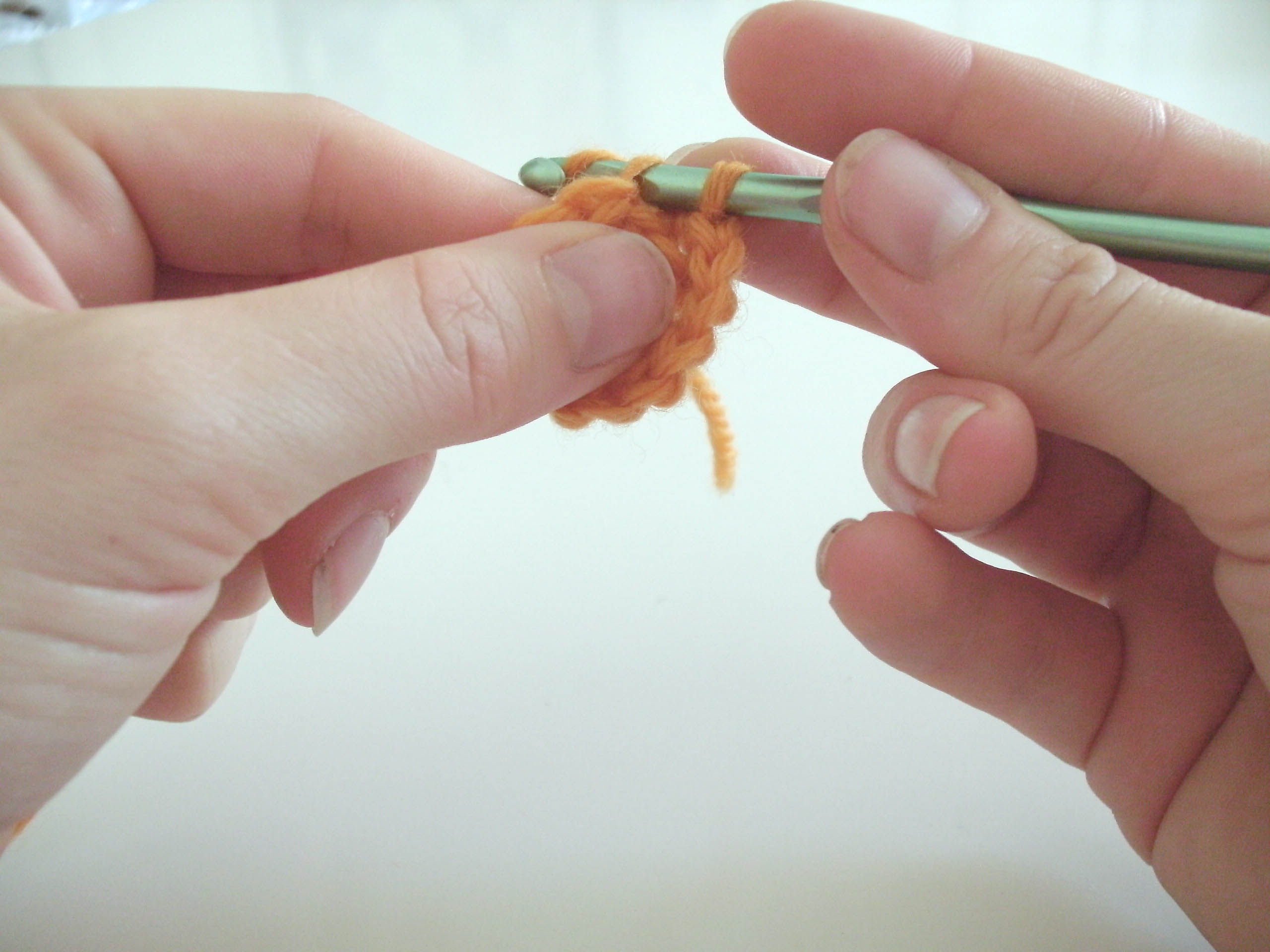
Here’s a photo of me crocheting using the pencil hold:

I’m not a native pencil holder… I use the knife hold (which I’ll talk about next). However, my mom (as well of loads of other folks that I’ve met) use the pencil hold – and I haven’t noticed that either one is faster or easier.

The Knife Hold
It goes without saying… the knife hold is the method where you hold your crochet hook like it’s a knife. The crochet hook is underneath of your hand, as pictured:

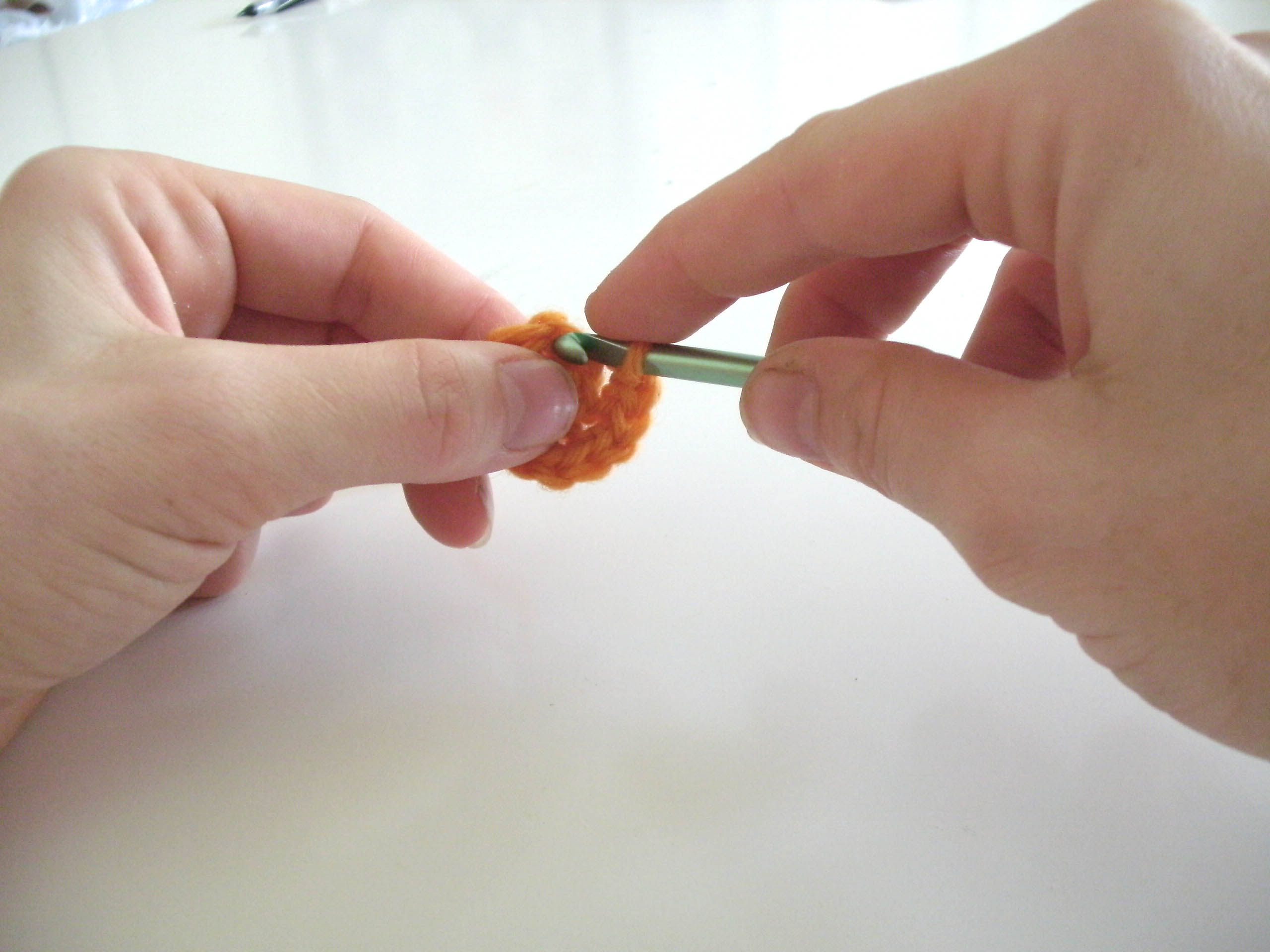
Below is a picture of me crocheting with the knife hold:

So, there you go… two ways (and probably a couple more) to hold your hook!

How do you hold your hook?

Best,
Stacey