Ultimate Crochet Hook Review: which hook is right for you?

There’s no such thing as the perfect crochet hook. There may be a perfect hook for you, but not all hooks work for all people.

Yesterday, you learned all about the differences between different styles of hooks. Today, you’re going to learn how to pick a hook that’s right for you.

Finding the right hook for you takes some trial and error, but you can narrow down your search by paying attention to your crochet habits. Here’s a little quiz that will help you out:
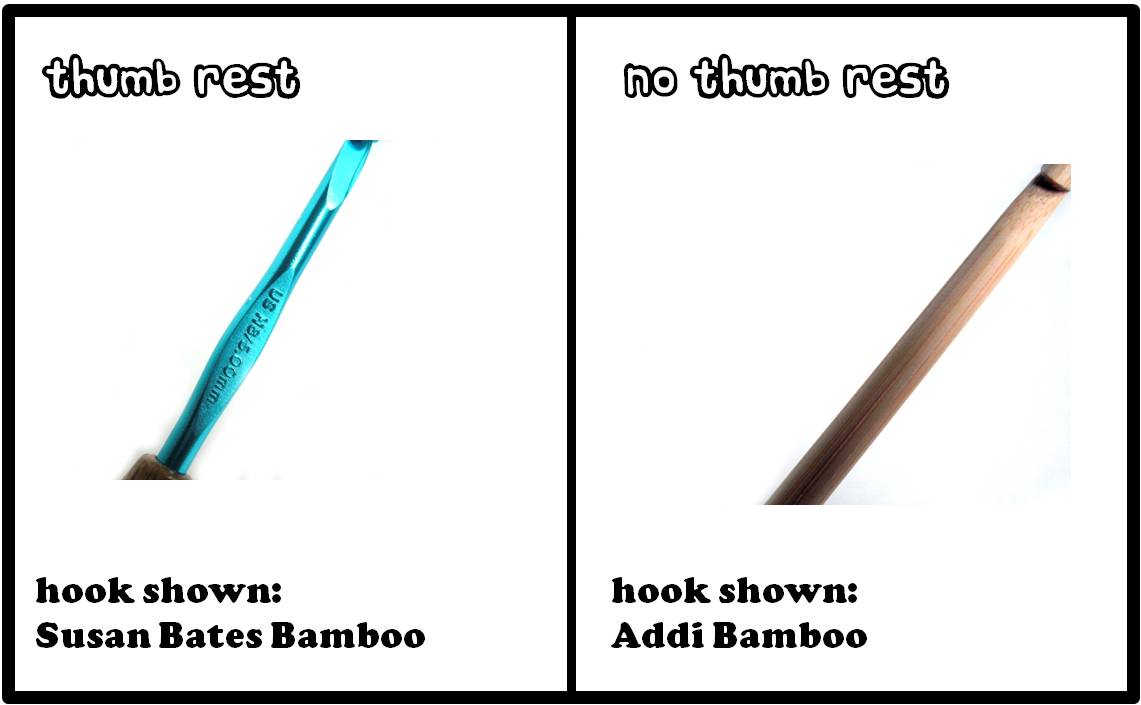
Do you roll your hook? When you’re crocheting, do you roll the handle around in your hand? Or do you like to keep your thumb firmly planted? If you’re a roll-er, then you’d do best with a hook without a thumb rest.

pictured: Susan Bates Bamboo Handle

Hooks to try: ChiaoGoo Bamboo, Addi Bamboo, Addi Comfort Grip, Clover Takumi, Etimo Cushion Grip.

Do you crochet tightly? If you tend to crochet very tightly, a hook with a tapered throat will probably only make the problem worse (as you’re tempted to pull the yarn tightly around the thinner parts of the throat). Try a hook with an inline throat.

Hooks to try: Susan Bates (all models), any hook made from Bamboo (because of the way tapered hooks thin at the top, most wooden/bamboo hooks feature inline throats for strength).

Are you always splitting your yarn? If so, you probably need a hook with a rounder (rather than a pointier) tip.

Hooks to try: HiyaHiya, Addi Comfort Grip, Susan Bates (Bamboo, Quicksilver and Aluminum), Boye crochet hook, Kollage Square Hook, Addi Swing, ChiaoGoo Bamboo Handle.

Do you find it difficult to insert your hook into the next stitch? Then you’re a candidate for a pointy crochet hook!

pictured: ChiaoGoo Premium Bamboo hook

Hooks to try: Almost any wooden/bamboo crochet hook sports a pointy tip, including: Addi Bamboo, ChiaoGoo Bamboo, Clover Takumi, Brittany

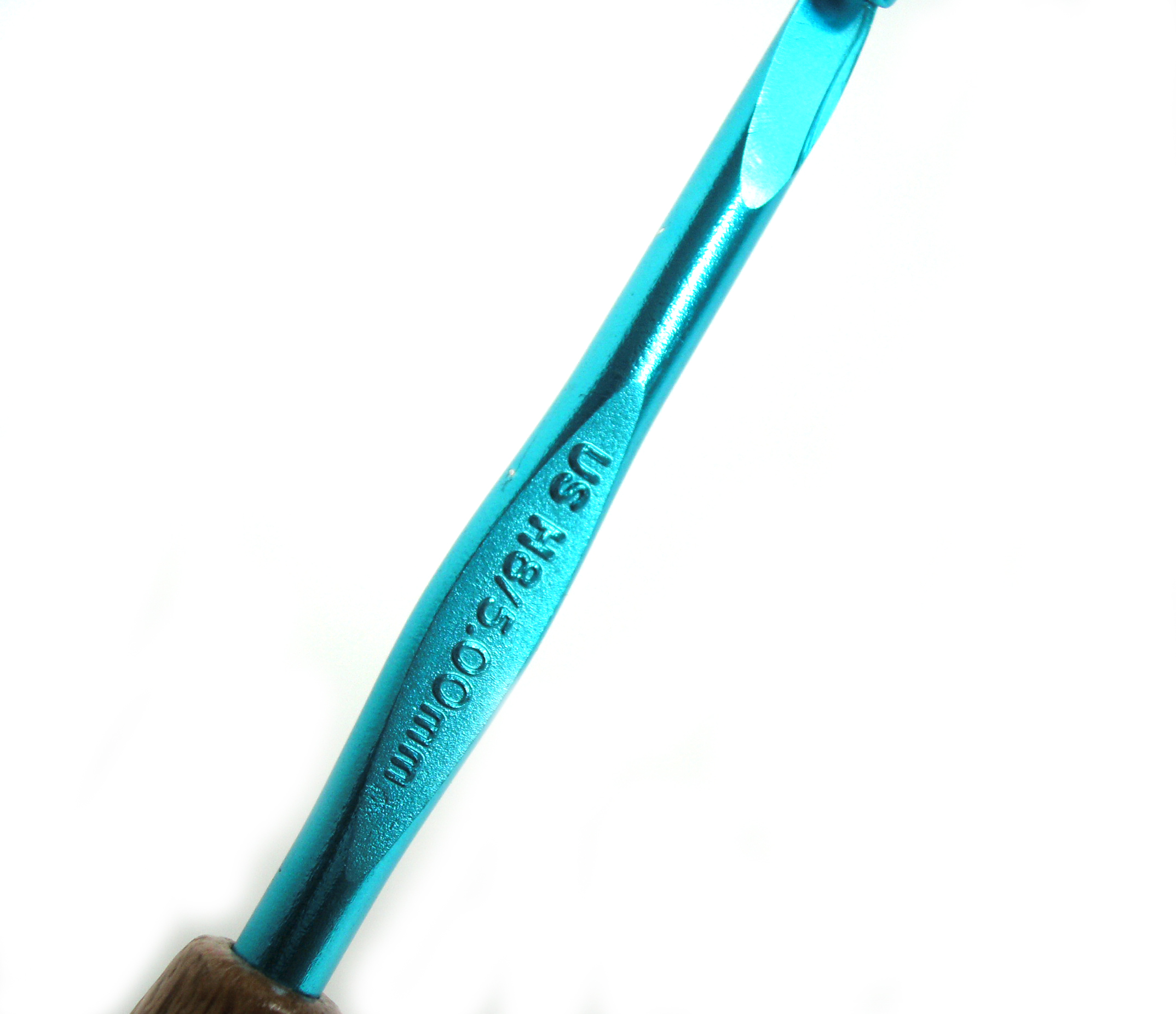
Do you toss your hooks into one bag and then forget what size they are? You need a hook that has the hook size permanently etched/carved into the hook. Otherwise, you’ll be stuck pulling out your gauge every time you need to crochet!

Hooks to try: Addi Comfort Grip (color-coded handles), Susan Bates (raised lettering on all models), Boye (raised lettering), ChiaoGoo (sizes laser-etched into all models), Boye (raised lettering on all models)

Have you broken your fair share of hooks? You’ll need one that’s super strong. There are a few varieties to try. Metal hooks are very difficult to break. Plastic hooks are flexible, so they bend easily and are slow to break.

Hooks to try: Any metal or acrylic hook. If you love bamboo, try ChiaoGoo, which is made from Chinese Moso bamboo, which is supposed to be the strongest bamboo around.

Do you find it hard to ‘catch’ your yarn while crocheting? A hook with a deep groove may be just the answer you’re looking for.

Hooks to try: Kollage Square hook, Susan Bates (all models).
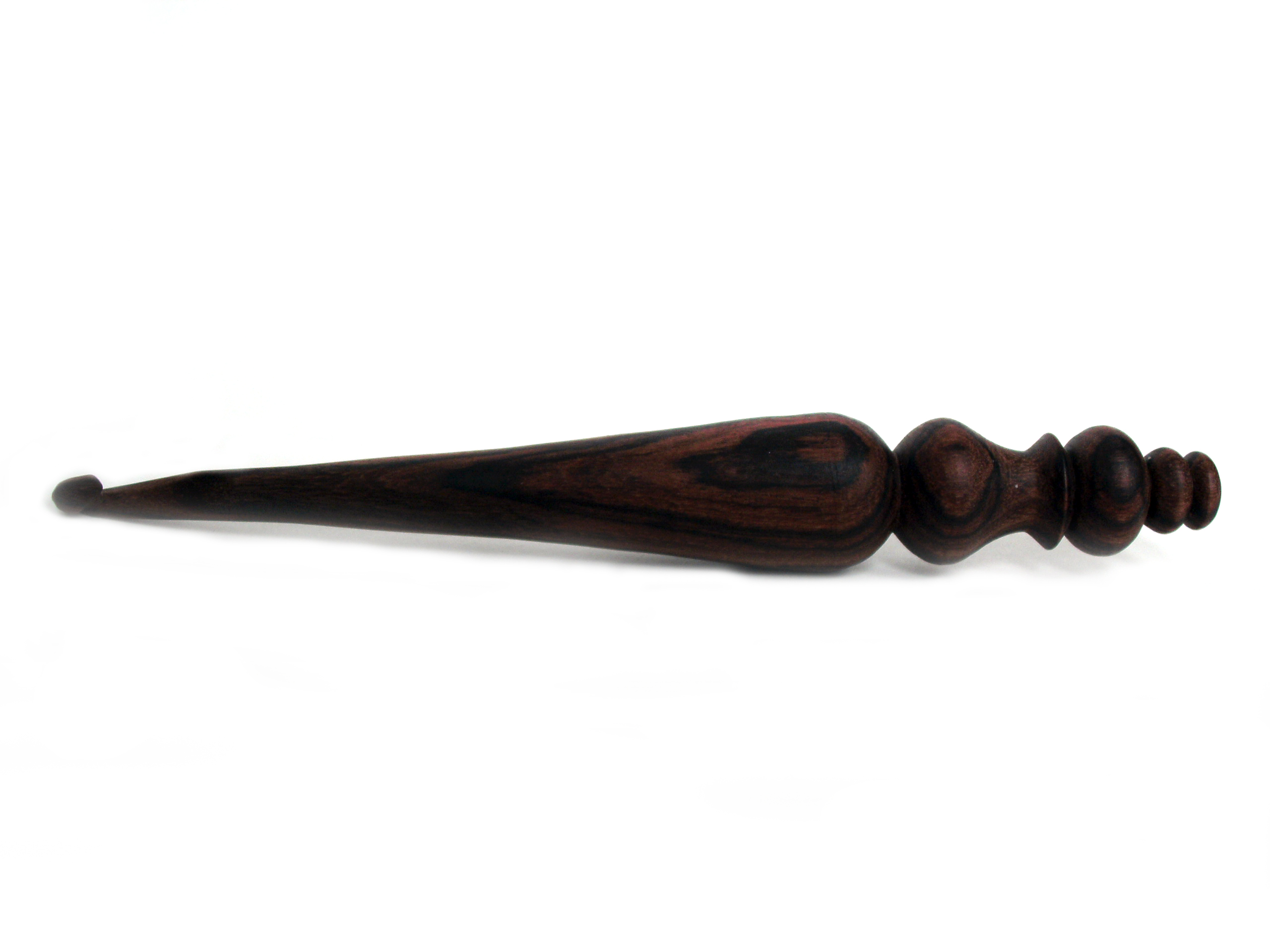
Looking for something a little fancy? Do you make a statement with your hook? Then you’d probably love one with a decorative handle.

pictured: Furls handcarved hook

Hooks to try: Furls handcarved hook, Brittany.

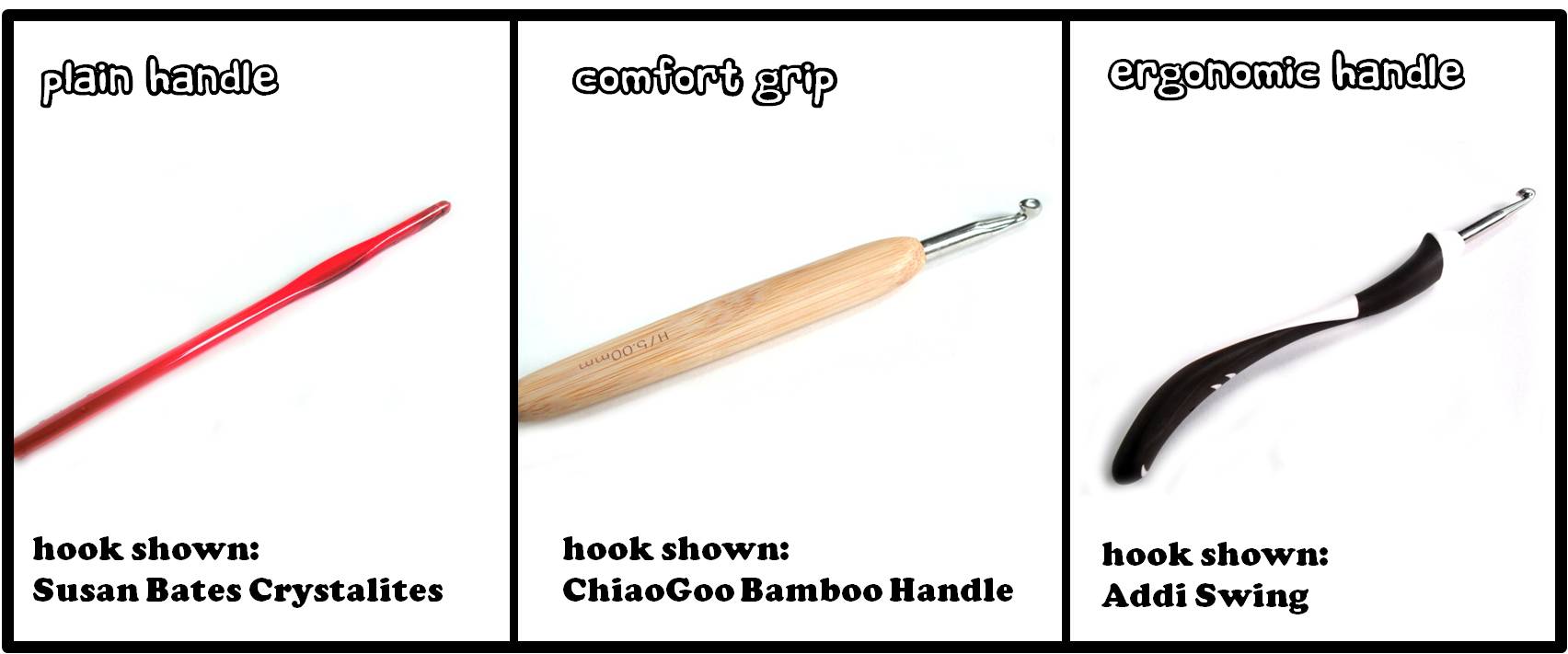
Do your hands ache after too much crocheting? A handle with a comfort or ergonomic grip might help you out. A comfort grip is a handle that is bigger than a standard handle, and easier to hold. Ergonomic grips are curved to fit in the palm of your hand.

pictured: ChiaoGoo Comfort Grip

Hooks to try: Addi Swing, Addi Comfort Grip, Etimo Comfort Grip, ChiaoGoo Comfort Grip, Susan Bates Bamboo Handle, Kollage Square Hook.

Do you have arthritis? If you have arthritis, crocheting can be an achy task. You may find crocheting with an ergonomic or comfort grip (above) more comfortable. I’ve heard some folks with achy hands prefer plastic hooks (since they bend in your hand as you work) or wooden/bamboo hooks (because they’re warmer than metal) helpful.

Hooks to try: Susan Bates Crystalites, ChiaoGoo bamboo, Clover Takumi.

Do you have trouble seeing your stitches? If you need a lot of light to see well while crocheting, a light-up or glow-in-the-dark hook might come to your rescue!

Hooks to try: Susan Bates SmartGlo, Clover Crochet Lite.

How’d you do in the quiz? I’m a thumb-rest user who tends to split stitches and likes a deep groove… how about you?

Vibrant handmade crochet toys and patterns from Shiny Happy World.

Here are handy links to all the posts about crochet tools and supplies.

Return to the main table of contents for Let’s Learn to Crochet Amigurumi.

Move on to the posts about yarn.

Happy stitching!

Vibrant handmade crochet toys and patterns from Shiny Happy World.

Ultimate Crochet Hook Review: anatomy in action

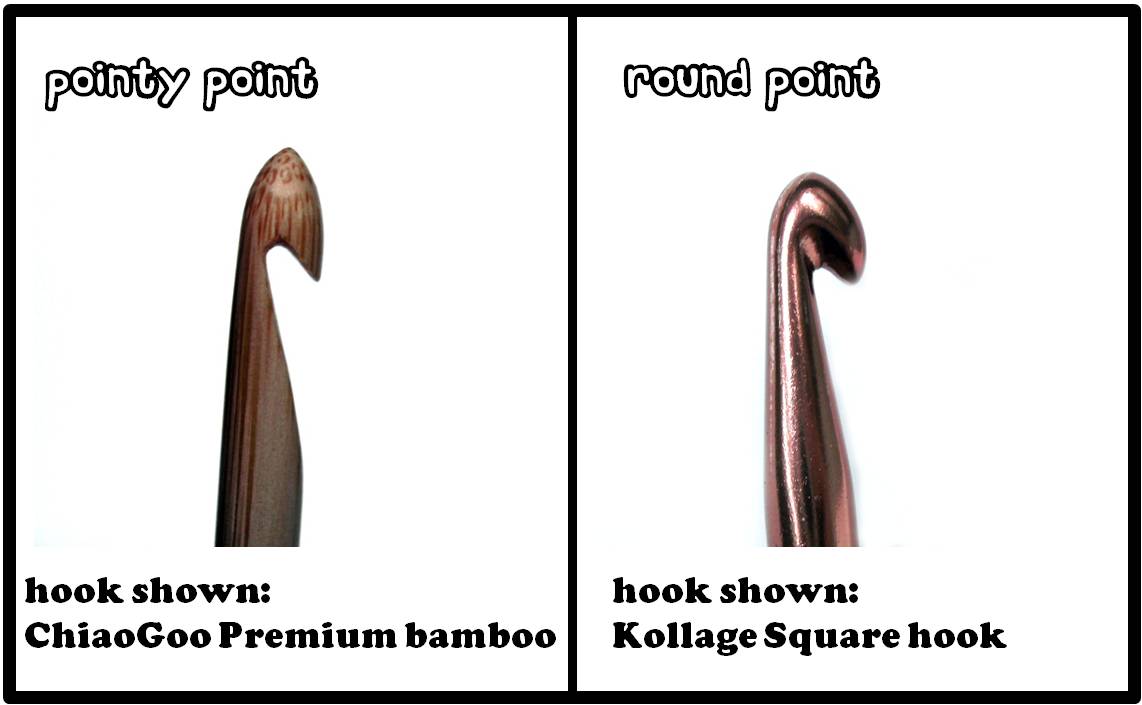
So, yesterday you learned terminology associated with hook anatomy, and have a rough idea of ways in which hooks can differ… but what do all these differences look like in action? What’s the difference between a pointy and a rounded point? Let’s find out!

Finding out how to identify these differences in real-life hooks is crucial to helping you find your dream hook!

Points

The point of a hook makes a big difference to the way you crochet. A pointier point allows you to stick your hook into the next stitch much more easily than a rounded point, but comes at the risk of splitting your yarn. If you’re using a splitty yarn, then a rounder point is advisable.

Grooves

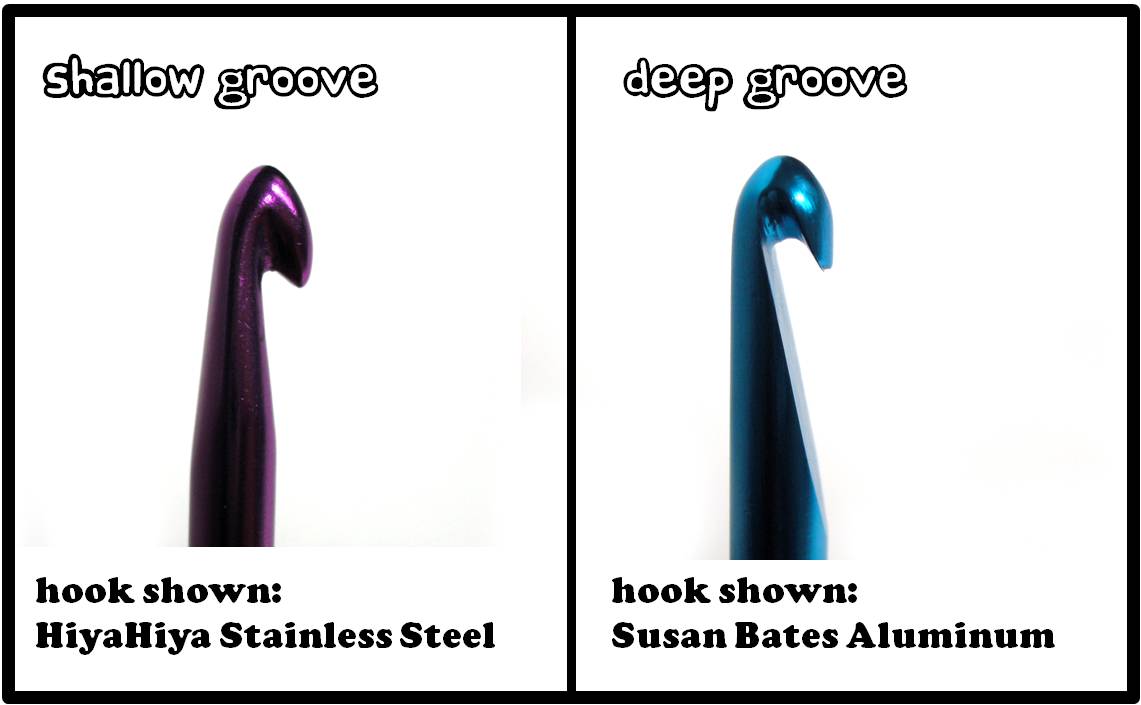
The groove is what catches your yarn as you pull it through the loop you’re working on. If the groove is too shallow, you’ll lose your yarn. If it’s too deep, it may get in the way of your crocheting rhythm. You may find that, as you become more experienced, your preference for groove depth changes.

Throats

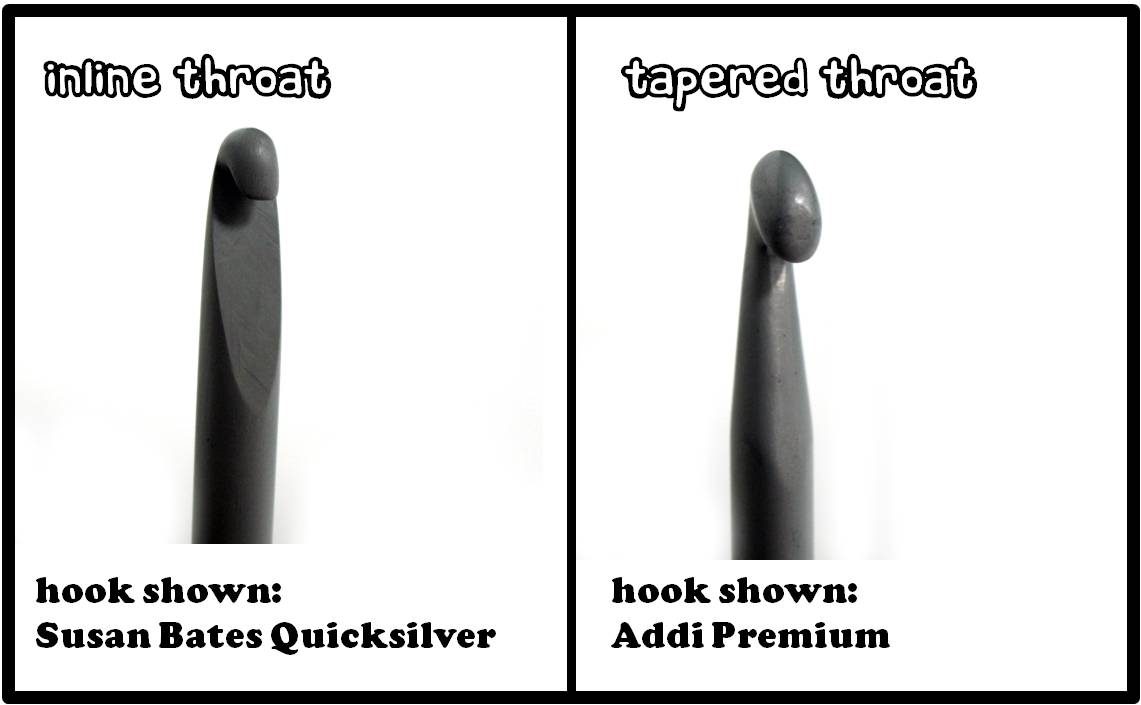
An inline throat means that the width of the throat is the same all the way down the hook. This style helps some crocheters keep a more even gauge (especially for those who tend to crochet tightly). A tapered hook is much smaller at the top compared to where the throat meets the shaft.

Shafts

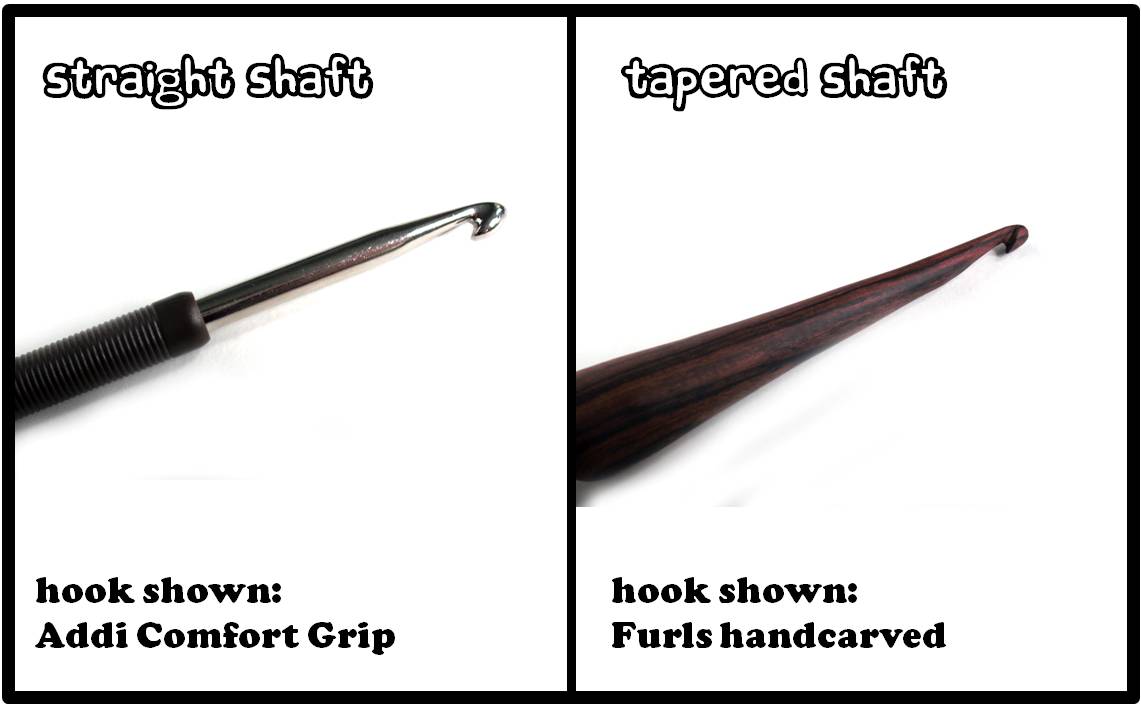
The shaft of the hook is what determines the size of your stitches. Since it’s job is to produce an even-sized stitch, most hooks have a straight shaft. However, occasionally, you’ll find a hook with a tapered shaft, and you’ll need to practice to make sure your gauge is spot on.

Thumb rests

A hook may or may not have a thumb rest. For some crocheters, a thumb rest is a convenient place to put your thumb and a way to maneuver the hook. For others, it just gets in the way. Whether or not you need one depends on your crocheting style.

Handles

The handle doesn’t need to be made from the same material as the hook. Many hooks have handles that are just an extension of the hook (or are ‘plain). Other hooks have comfort or ergonomic handles for your crocheting comfort. A ‘comfort handle’ is bigger than a plain one, and easier to grip. An ‘ergonomic handle’ is specifically shaped to rest in your hand for maximum comfort.

What’s the right one for you?

How do you know if you need a pointy point or a rounded one? That’s tomorrow’s topic!

Ultimate Crochet Hook Review: hook anatomy

Welcome to day one of my Ultimate Crochet Hook Review! I’m so excited to be running this series on my blog. Do you know why? Because there are so many crochet hooks out there, it often feels impossible to choose the right one for you! So, this week, I’m going to talk about the nitty-gritty details about hook shape and design, how to identify your crocheting style, and help you pick the hook that’s right for you!

So, let’s get started! How well do you know your crochet hook? Before you can figure out which hook will work best for you, you’ve got to get to know the basic anatomy of the hook.

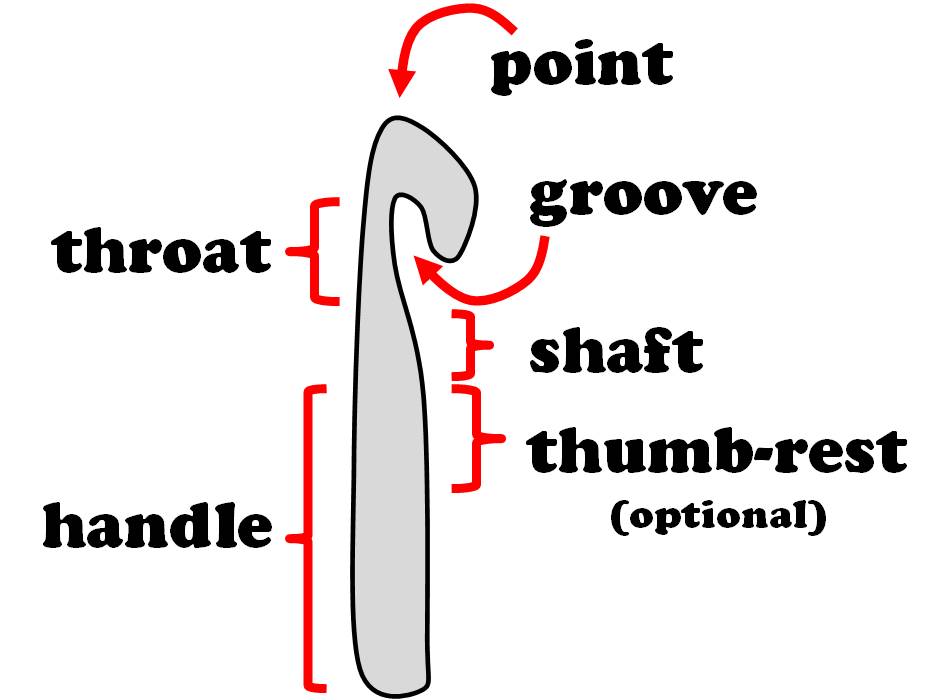
Here’s a diagram:

Hook terminology

  • Point: this is the part of the crochet hook that pokes into the stitch you’re crocheting into. The point can range from very pointy to rather dull (rounded). Sometimes called the ‘tip’.
  • Groove: The groove is the indentation that catches the yarn as you pull it through a stitch. Grooves can be either deep or shallow, although there’s no standard way to ‘measure’ the ‘groove depth’.
  • Throat: the throat is the part of the hook where the loop transitions from being caught in the groove to its resting place on the shaft. Throats can be either ‘inline’ or ‘tapered’. This is perhaps one of the most salient features of a hook, and the throat style is often described on the package.
  • Shaft: the shaft is the part of the hook that the loop rests on while you are crocheting. It is the part of the hook that determines the size of your stitches.
  • Thumb rest: this part is pretty self-explanatory! It’s an optional indentation that allows you to rest your thumb on the hook.
  • Handle: another self-explanatory part! The handle is the part of the hook that you’ll hold while crocheting. Handles are usually made from the same material as the rest of the hook, but some styles of hook feature ergonomic or comfort handles.

More hook differences

In addition to the points raised above (inline vs. tapered throat, pointy vs. rounded point, etc.), hooks can differ in many other ways. Hooks can be made in many different materials (metal and bamboo are 2 of the most common), of course, come in different sizes and those sizes can be printed on the hook in different ways (ranging from ‘not at all’ to ‘laser inscribed’).

What the heck does all that mean? Want to know what all of these differences mean to you and your quest for the perfect hook? You’ll have to come back for the rest of the series! (it’s way too much for one blog post!)

One Technique – A Kajillion Costumes – No Pattern Needed – video

Way back this summer when I taught Harry Potter Camp I promised you I’d make a video showing how to make these easy Harry Potter cloaks – without a pattern. I didn’t forget! And for those who joined us after this summer – I had 20 kids in the class (ages 7-12) and they all made these cloaks in less than an hour.
Joyful girls celebrating graduation outdoors in caps and gowns.

The great thing about this technique is that you can use it for all kinds of costumes – knights, thieves, princesses, wizards, jesters, and so much more!

Here’s the video – but be sure to scroll down for more photos of samples and links to other techniques you’ll be able to use in your costuming.

See how easy that is?

I breezed right through a couple of techniques because I already have separate videos for them, with the demos designed to be easy to see. I especially recommend the one on using elastic with a casing. If you’re wondering what the heck I was doing with the clipping into the armpits, take a look at this video. With a lot of costumes I skip the whole hemming and finishing thing, but if you want to hem yours, here’s a video that will help. And applique with fusible adhesive is great for Halloween costumes. If you’re new to sewing (and this site) be sure to check out all the links to how-to videos gathered together on the Sewing Lessons page. And if you’re sewing with kids – here’s a post with some specific tips for them.

And now here’s a look at some costumes I made with this technique.

I used it to make this princess gown for Jo.

Elegant girl in blue velvet dress holding a medieval sword, standing outdoors among autumn foliage.

This took me exactly one hour to make – and I sewed it three times in that hour. Jo has gotten pretty opinionated about the fit of her clothing and I took this in a few times to be more fitted in the top, but keep the drapey arms and the width of the skirt. I just kept sewing the body narrower and narrower until she was happy with it.

Vibrant blue velvet costume with flowing sleeves worn by smiling young girl outdoors.

This is made of stretch panne velvet – really easy to sew and comfy to wear. And since it’s a knit, the edges won’t fray even though I didn’t finish any of them. I used a stretch needle in my regular machine with a regular straight stitch. Easy peasy. No serger needed.

Blue velvet doll dress with silver chain belt, styled like a princess doll on a pink background, perfect for doll dress-up and sewing crafts.

I used some of the scraps to make a matching dress for one of Jo’s dolls.

Gold chain belt on black velvet fabric.

The belt is made of binder rings (available at any office supply store) all linked together.

Raggedy Ann doll with green dress and blonde hair on purple background.

I wanted to show you something less flowy too – something a boy could wear. I talked about the possibility of a Robin Hood/Peter Pan tunic in the video and then decided to make one up for real.

Laced tunic top with rustic brown cord, casual handmade style, close-up detail.

I used regular embroidery thread to lace up the slit at the neck.

Colorful patchwork doll in a vibrant dress, perfect for crafting or toy collection.

Finally, I wanted to show you a patchwork girl. Jo just read A Little Princess and wanted Princess Ivy to have a rag dress too. I didn’t sew the patches together – this is some old cheater cloth from my stash. I cut the sleeves and hem all raggedy and used some beading hemp for a rope belt. I turned this dress around so the neck slit is in the back. I just added a little hook and eye to hold it closed.

So there you go! Lots of costume possibilities!

Happy sewing!

Applique Wendi (with fabulous hat)

Best,
Wendi

How to embroider a smile on your amigurumi!

About a week ago, Tiffany wrote on the FreshStitches Facebook wall, and asked if I could post about how to embroider a smile on amigurumi. Sure thing!

If you’re shaky on doing embroidery, check out my video on embroidering amigurumi. That’ll help you with the basic technique. And now, I’ll show you how to get a nice, even smile!

Planning the smile

So, we begin with a blank canvas (in this case, an amigurumi head):

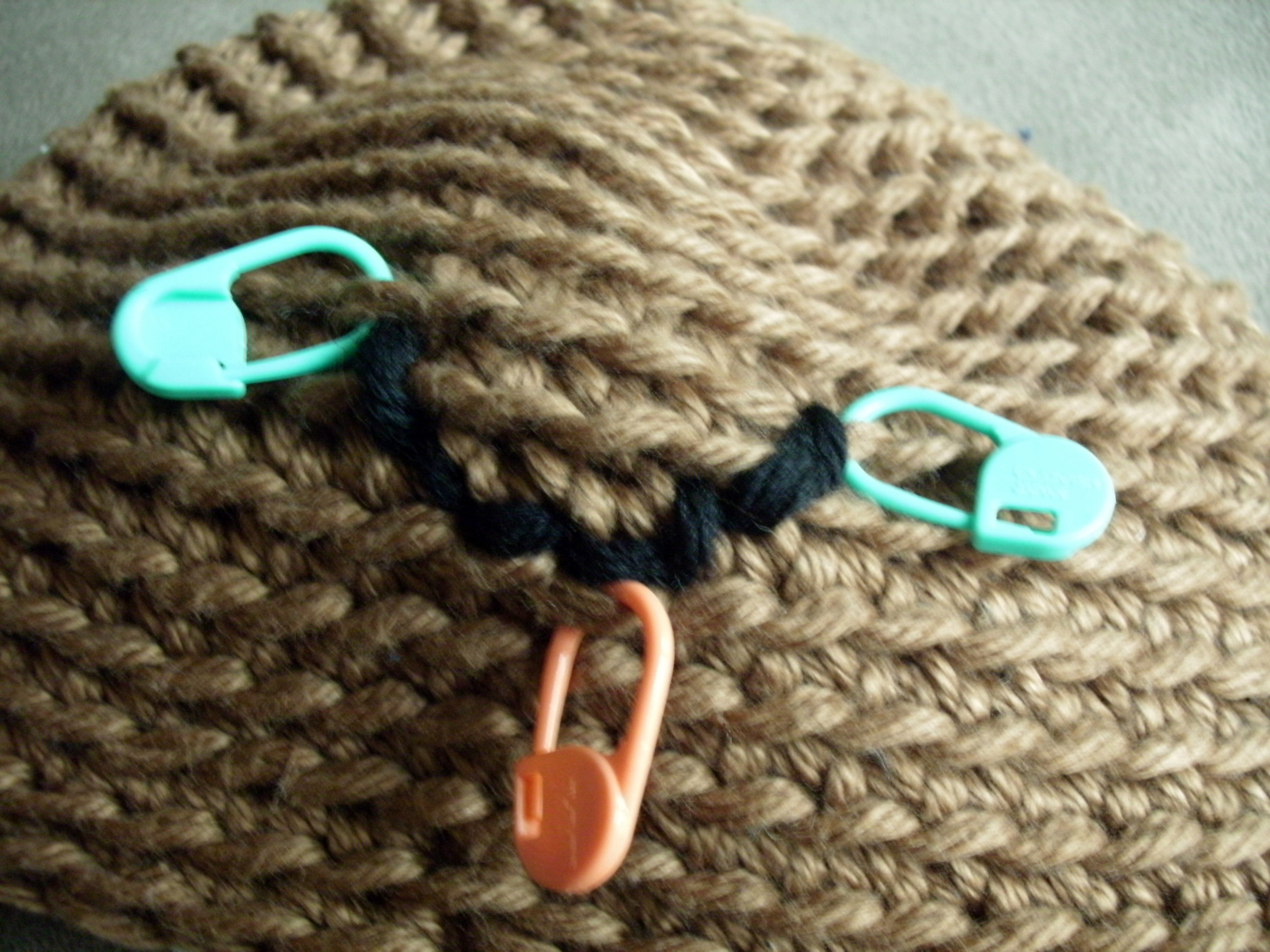
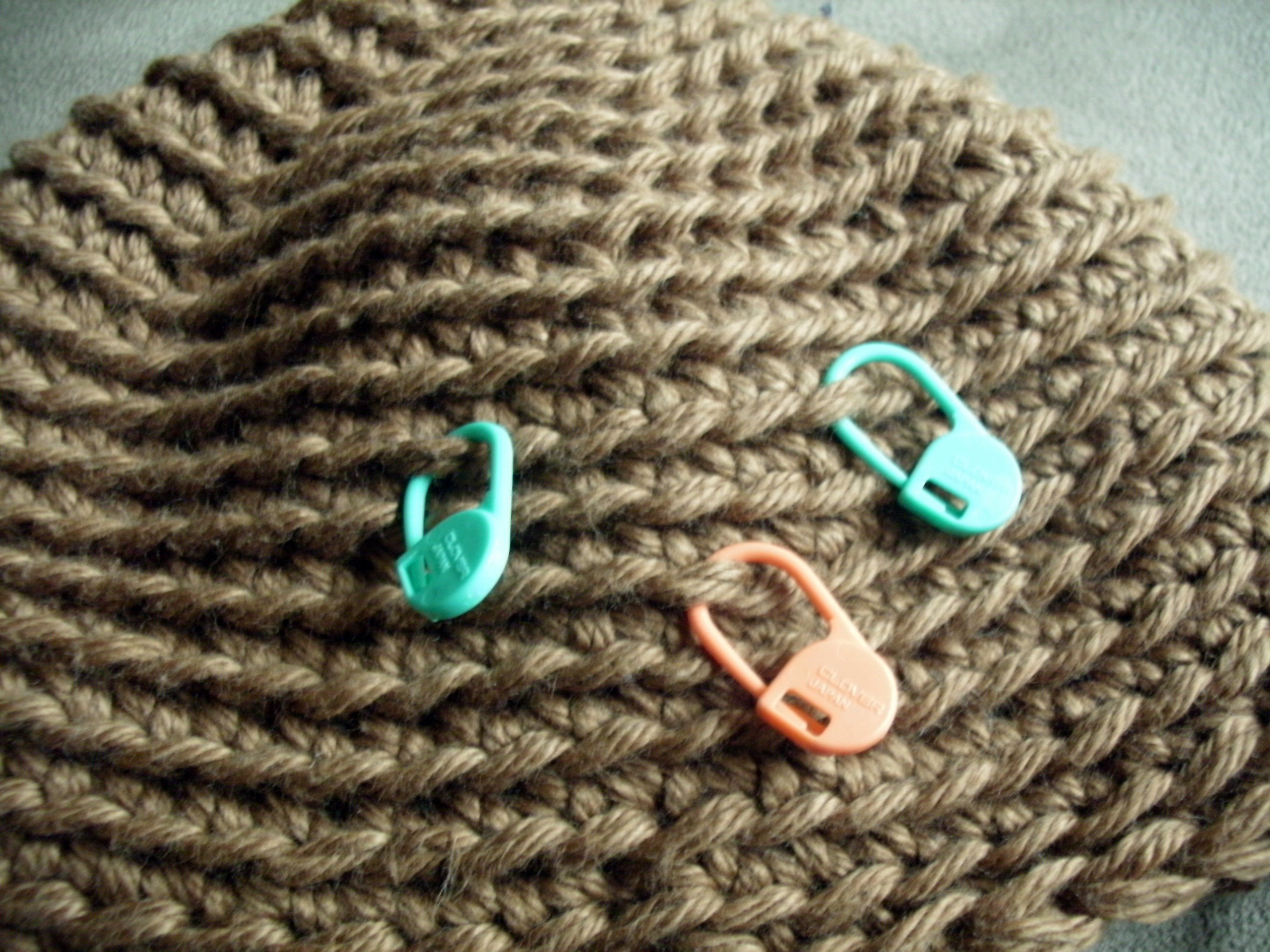
Now, here’s the real trick: I use locking stitch markers to plan out the shape of my smile! Here, I put one marker in each of the upper corners of the smile, and one at the bottom. You can use more if you feel like you need a bit more guidance while embroidering.

Embroidering
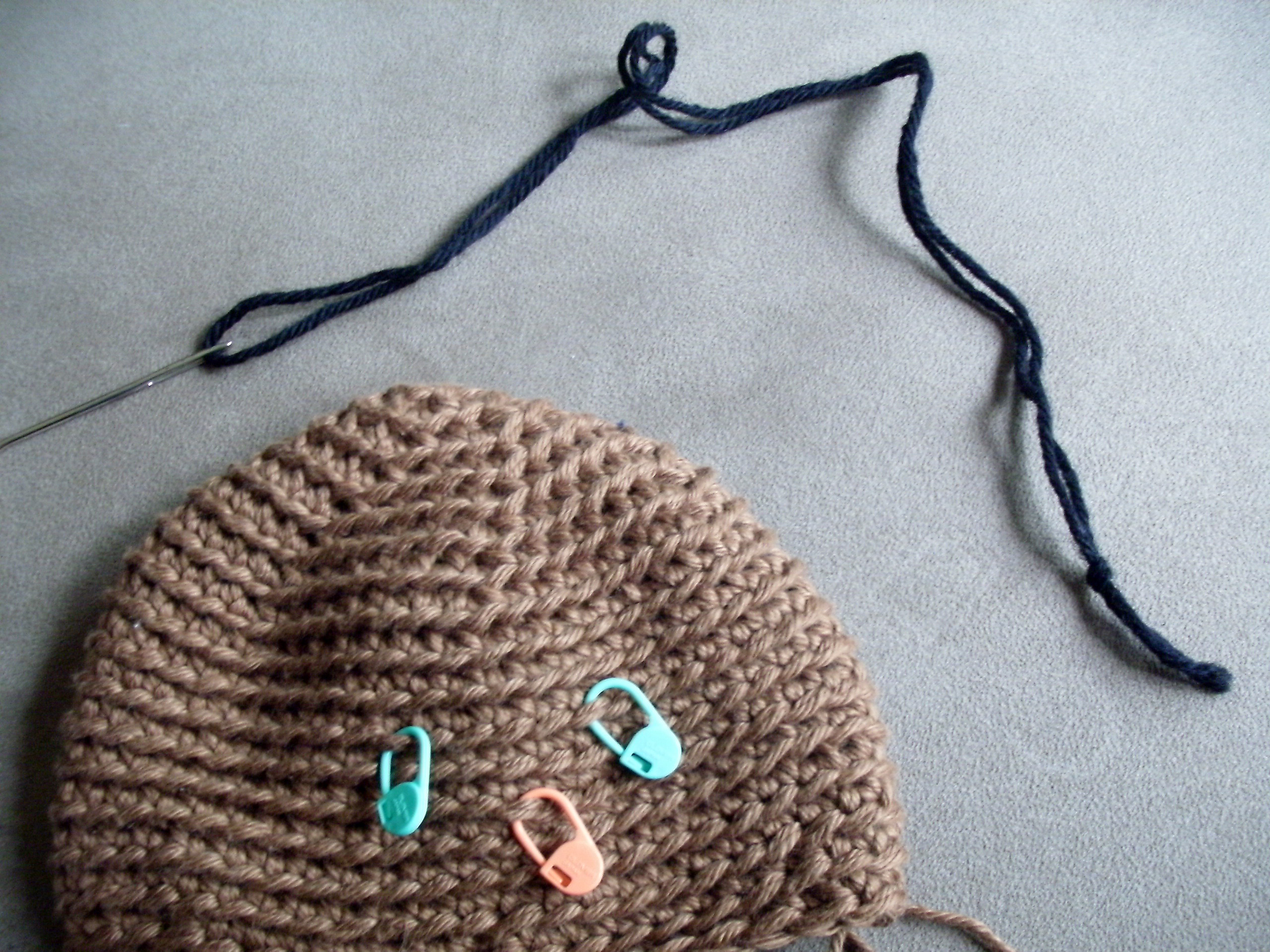
Now, with the smile all planned, you can begin embroidering! First, thread your tapestry needle with the yarn you want to embroider with:

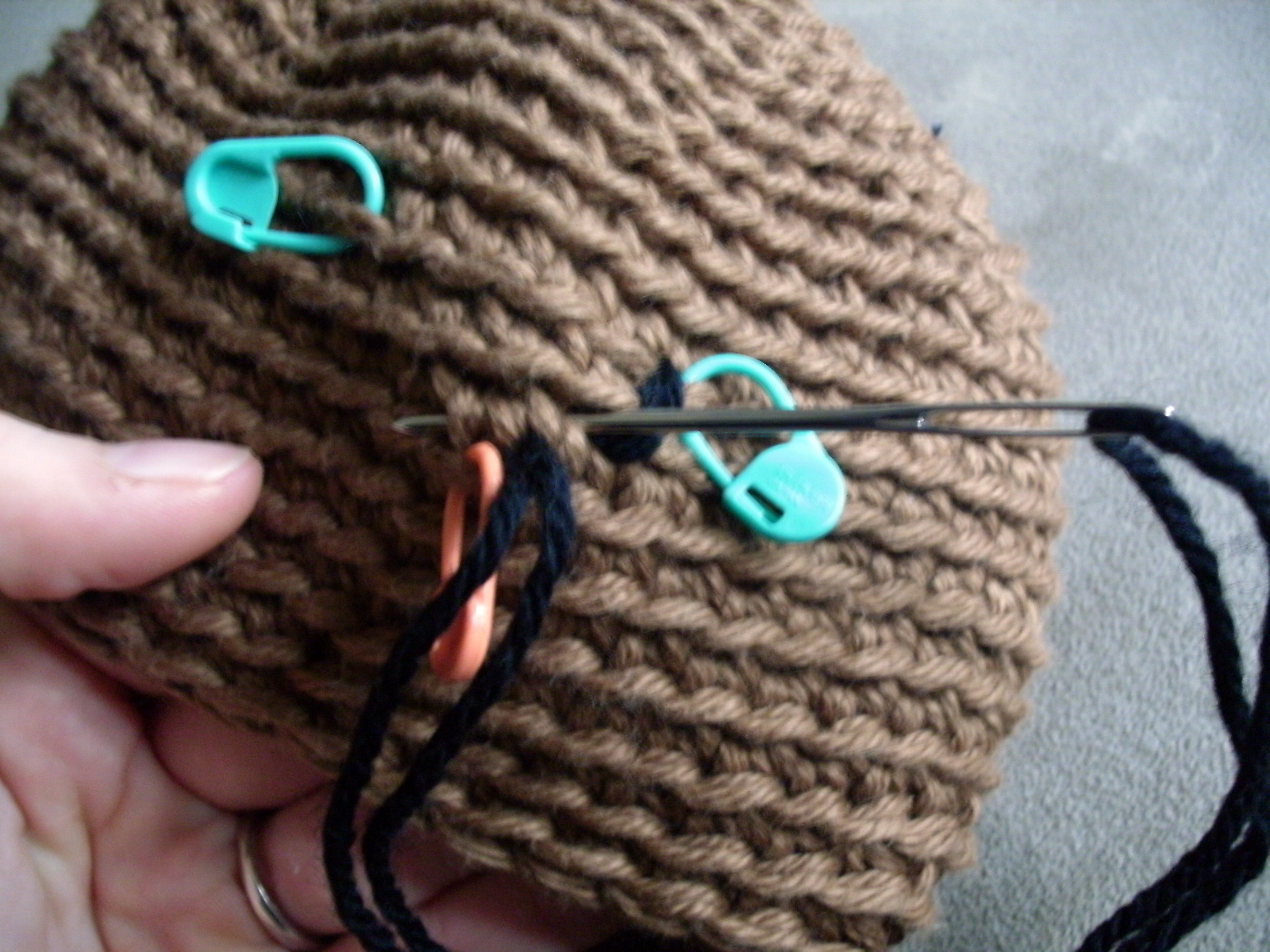
… and get started! If you want to see how to embroider in more detail, check out my video on embroidering amigurumi.

And, you’re done!
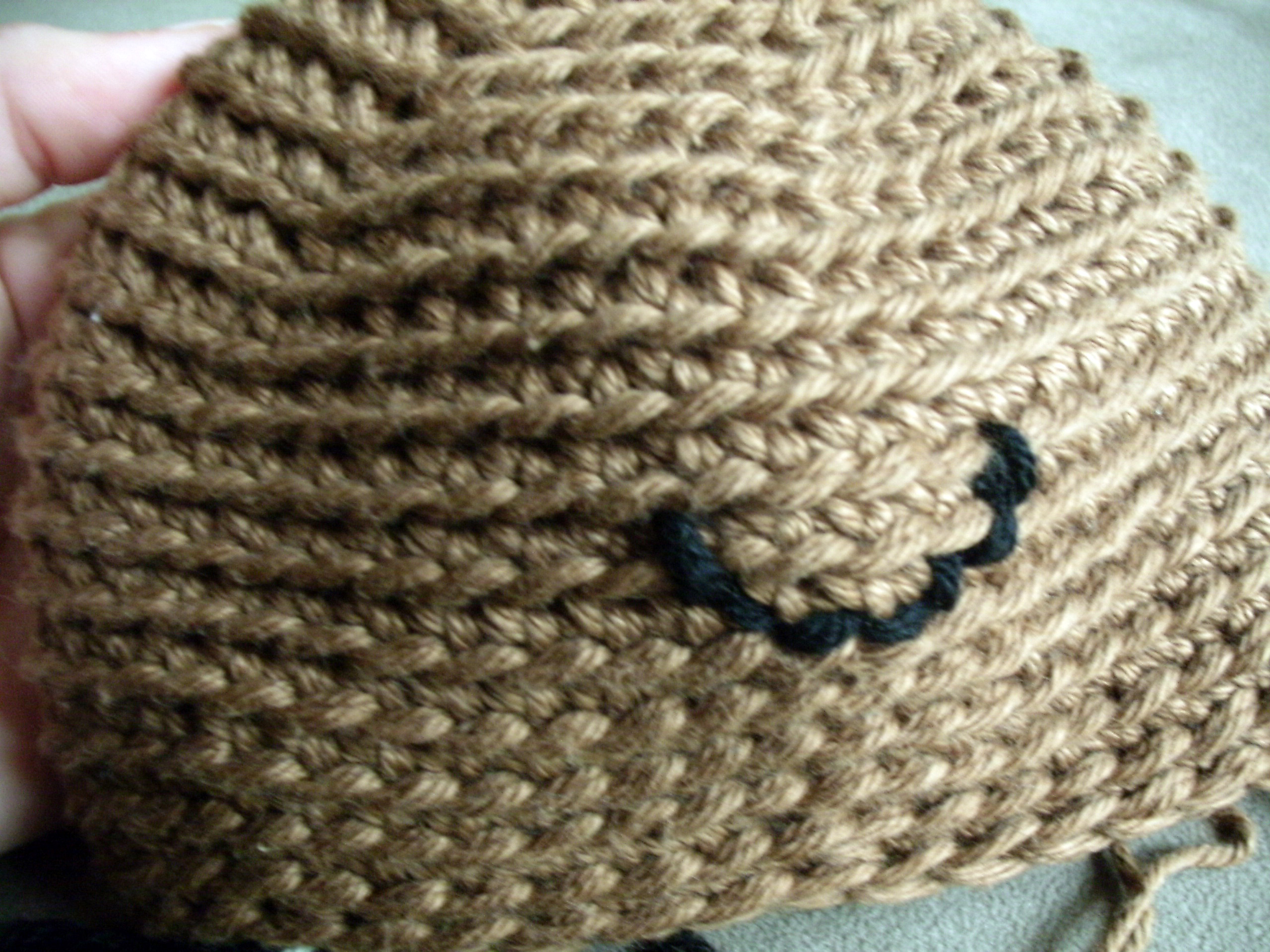
Since you used the locking stitch markers as your guide, you have a nice, even smile!

Just remove the markers… isn’t it lovely?

Hope you enjoyed this Tip Tuesday… and that it’ll inspire you to dress up your amigurumi with pretty smiles!

Vibrant handmade crochet toys and patterns from Shiny Happy World.

Here are handy links to all the posts about faces and details. . .

Return to the main table of contents for Let’s Learn to Crochet Amigurumi.

Move on to the lessons about eyes.

Happy stitching!
Vibrant handmade crochet toys and patterns from Shiny Happy World.
Handmade crochet Pippi & Pippa amigurumi toys for beginners.

How to Mend a Tear Around a Pocket

How to Mend a Tear around a Pocket - a tutorial from Shiny Happy World

 I love to mend my clothing with visible stitching.

The Problem

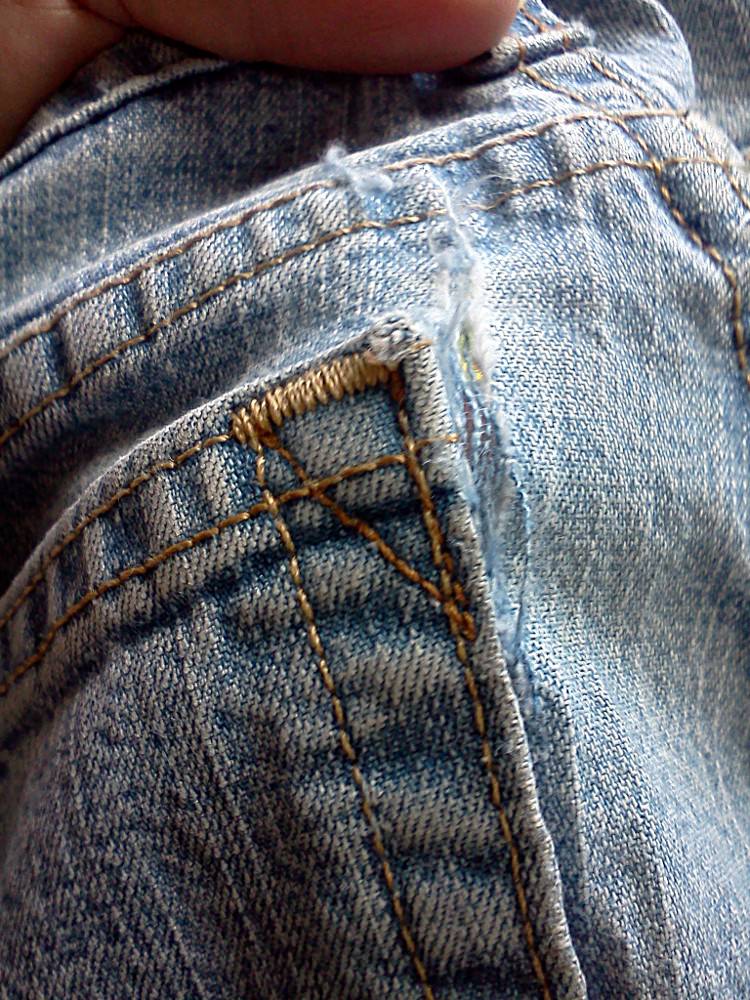
These jeans have torn right at the stitching where the pocket is attached.

Dang! That’s a tricky place to patch. But I WILL patch these jeans. Partly because I’m stingy frugal. Mostly because I loathe buying new jeans. The only thing worse is shopping for a bathing suit. Ugh.

The Solution

First, get out your seam ripper and pick off as much of the pocket as you need to to get at the tear. I went a good two inches past the bottom of the tear so I’d have plenty of room to work.

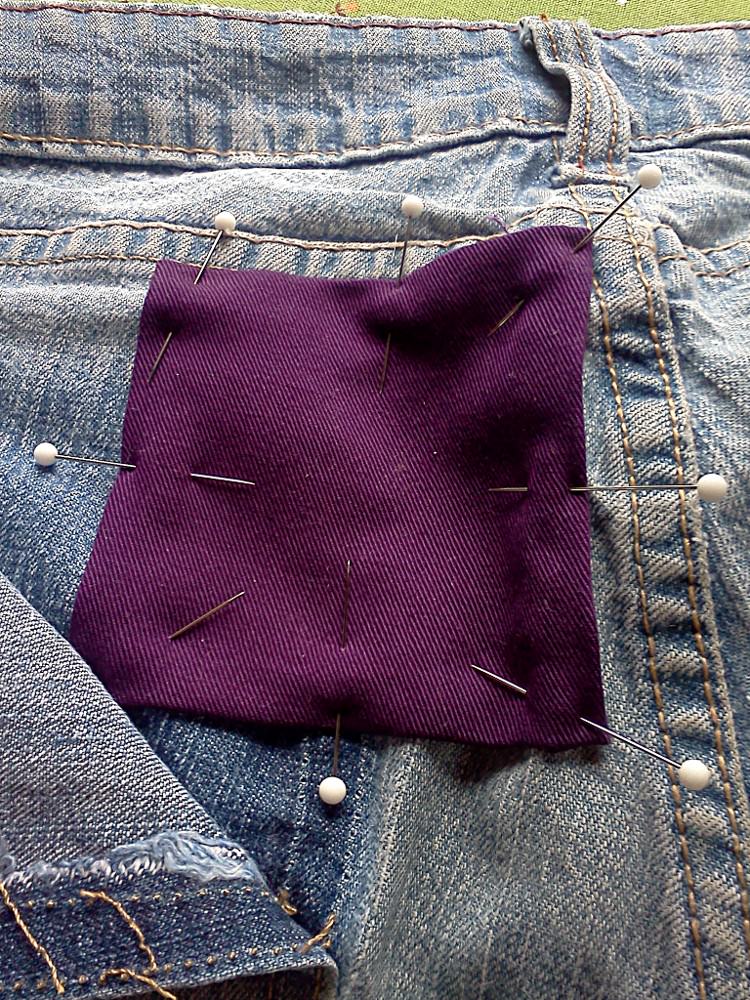
Choose a piece of sturdy fabric from your scraps. This is heavyweight cotton twill. Cut it at least an inch bigger than the tear all the way around. I often cut it as much as two inches bigger. Turn the raw edges under (about 1/4 inch or a bit more) and press. Pin the patch over your tear. In this case I butted it right up to the big fat seams. I don’t want to stitch over them if I can avoid it.

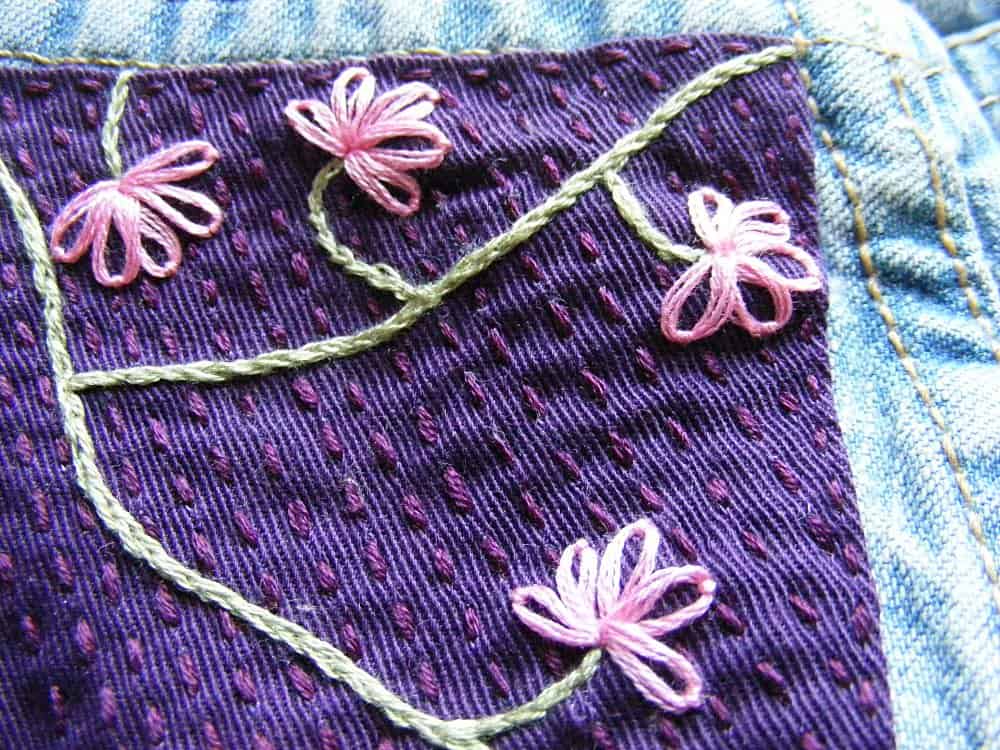
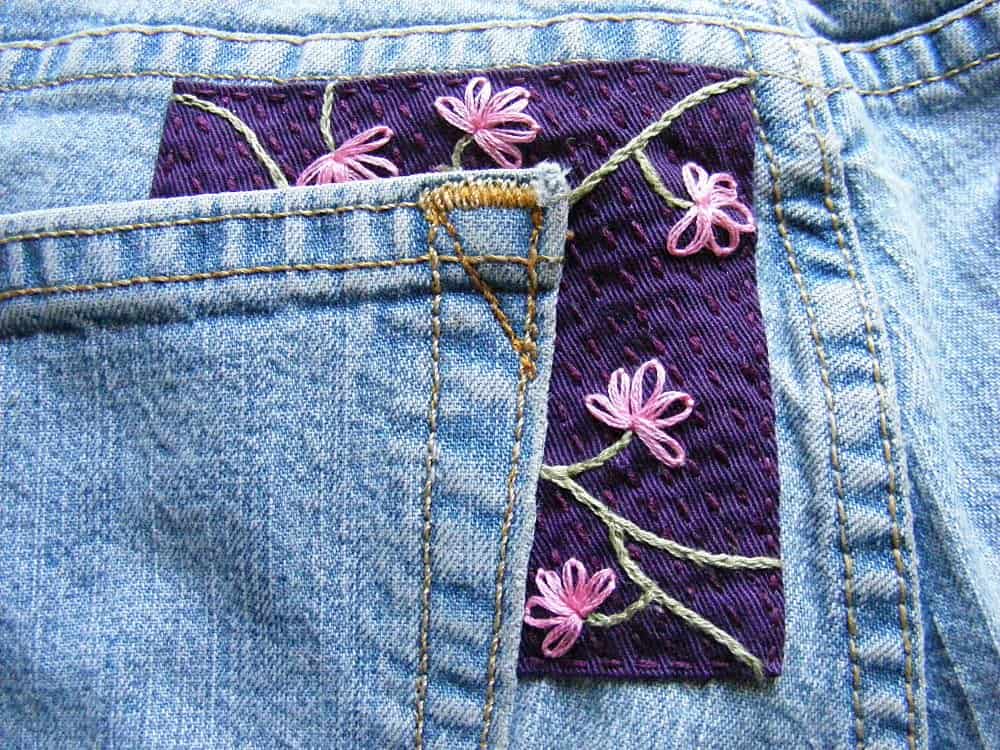
Now stitch the patch in place. I see a patch as an opportunity to fancify – so I embroidered it to the jeans. I started with split stitch for the stems, added some lazy daisy flowers, and then lots and lots of running stitches for strength. (Those links go to videos showing you how to do each stitch.)

See how the running stitches are parallel to the diagonal weave of the twill? Using the weave as a guide makes it easy to stitch nice and straight.

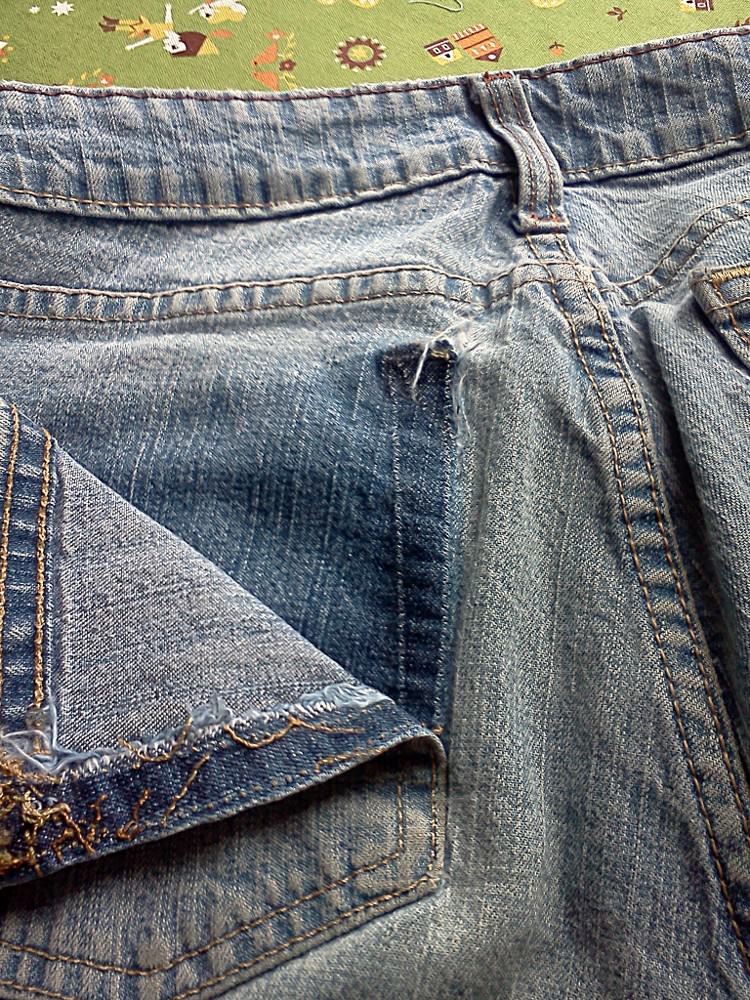
Those running stitches are the key to a successful patch. They distribute the stress on the fabric to the whole patch instead of just around the edges. I took this photo of the back of the patched area so you could see how the stitches would support the damaged fabric. The rip is that frayed line right up the center of the photo.

See this post for a basic tutorial on mending with patches – I go into more detail about the purpose of the all-over stitching – and show lots of samples of different patterns you can try.

Flip the pocket back into place. Put a heavy-duty needle and some gold thread in your machine and stitch the pocket down right over the original stitch lines.

Voila!

Vibrant handmade crochet toys and patterns from Shiny Happy World.

Here are all the posts about finishing embroidery projects.

Basic Finishing

Other Ways to Use Embroidery

Return to the Learn to Embroider main Table of Contents.

Happy stitching!
Vibrant handmade crochet toys and patterns from Shiny Happy World.

Crocheting baby-safe eyes for amigurumi

Larger-sized amigurumi make lovely presents for babies… but you’ve got to make sure they’re safe for the little ones! Today, I’m going to give you the pattern for crocheting baby-safe eyes (to replace the plastic eyes often called for in patterns), and show you a technique for attaching the eyes so you’ll end up with an awesome plushie!

crochet owl

Pattern for Baby-safe Crocheted Eyes

Even though the plastic eyes used in amigurumi are often called ‘safety eyes’, they’re not approved for use by children under 3. So, whenever I’m making a toy for a baby, I crochet the eyes. Here’s the pattern:

With black yarn (in weight and hook called for in the remainder of the pattern), ch 2.
Round 1: sc 6 times into 2nd ch from hook. (6)
Round 2 (optional): Sc twice into each st. (12)
Fasten off with a long tail.

That’s it! Easy!

Attaching Crocheted Eyes

When you are attaching limbs, I recommend that you use a whipstitch to attach the piece to the loops on the fabric. However, because the eyes are so tiny, this technique makes the eyes stick out a bit:


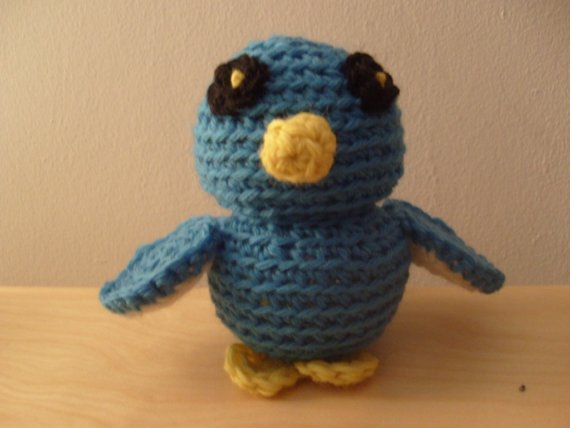
This is the first baby-safe toy I crocheted… see how his eyes are a little buggy?


To get the eyes to lay flat, you’ll want to stitch all the way through the fabric that you are attaching to. Let’s look at an example of attaching baby-safe eyes to an owl.

To begin, I thread my tapestry needle with the tail of the yarn, as usual. Then, I stick my tapestry needle through the eye, then all the way through the head of the owl (going all the way to the wrong side of the owl head):

attaching a baby safe eye in amigurumi

Then, to complete a second stitch, I stick the needle back up through the next stitch- through the owl head and through the eye:

crocheting a baby safe eye on amigurumi

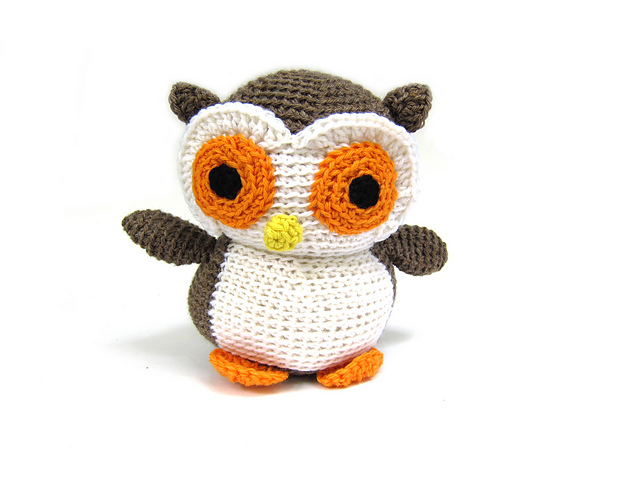
This is attaching the eye using a running stitch, and pulls the edges of the eye much closer to the head than with a whipstitch. Isn’t the final result pretty?

amigurumi crochet owl

Ideas for Variations

You don’t just have to crochet a black eye… you can be creative! Try:

  • Embroidering a french knot with a scrap of white in the center for a pupil
  • Crocheting a second round of white, so that the black is the pupil
  • Use a funky color!

Hope this tip helps you create a fabulous baby-safe toy! So, next time you have a baby shower to go to… think ‘stuffed animal’!

Meet Frank & Vlad

Today I want to show you how I Halloweenified the Karl pattern to make Frank and Vlad. First, I’d like you to meet Frank.

Frankenstein plush toy with stitched scar and stitched face, soft fabric, and green skin.

Frank is made with the basic Karl doll pattern – with just a few key changes. First of all, he’s green. 🙂 And he has a couple of scars. I stitched one scar on his face, and another on one of his legs.

Bright green sock with black stitching and dark sole, against a purple background.

You could of course, give him lots and lots of scars. Just be sure to do it before you sew him together. It’s much easier that way.

I used the selvage edge of some dark gray fabric for the edge of his shorts. It just had the perfect fringe and I loved it.

Colorful knitted socks on a child's feet, highlighting cozy and fun sock designs.

For the sleeves I simply cut the edge all jagged.

Soft denim fabric close-up with frayed edge, yellow textured fabric underneath, purple background.

You know how to get a really nice, irregular jagged edge? Wad up the fabric you want to cut and then cut into the wad. It works beautifully every time.

So that’s Frank. Except for the addition of the scars, his changes are all about fabric selection.

Soft plush vampire doll with black hair and fanged smile for kids' comfort.

You met Vlad yesterday, when he was Sad Vlad and I was having a lot of angst about his hairline. Thanks to your many helpful comments here and on Facebook, I realized that it was the baldness at the sides of his head that was bothering me – not the height of his hairline, as I originally thought. I changed out his hair to gave him some sideburns – and Vlad and I are both much happier. Thanks again for all your input!

Except for his fangs and hair, Vlad is made exactly like Karl. I used white fabric for his sleeves and collar, and black fabric for his pants. I used red corduroy for his vest – it gives a sweaterish look without any stretch. Of course, he has a black cape too – but I forgot to put it on for his photo shoot. Drat!

Want to make your own Frank and Vlad? You’ll need the Karl pattern (available here) and this handy-dandy free PDF with the pattern for Vlad’s hair, his fangs, and some scars for Frank.

If you want to make Vlad, replace Karl’s hair with the new Vlad hair. Don’t give him the tufts sticking up on the top. Vampires don’t have cowlicks.

Trace Karl’s face on your doll, then overlay it on the Vlad pattern to add the fangs.

If you want to make Frank, just trace the scars wherever you want to add them. I stitched mine up in DMC #3371.

Have a fabulous weekend! Stitch up something scary!

Applique Wendi (with fabulous hat)

Best,
Wendi


Tip for working long color changes in crochet

Thick brown crochet piece with long color-changing yarn strands.

Happy Tip Tuesday! Last week, I talked about how to crochet with 2 colors of yarn, using a technique called stranding. This technique works wonderfully when there are only a few stitches between color changes.

crochet owl by freshstitches

I get a lot of questions about how to handle the color changes for the body of Nelson the Owl. To crochet Nelson’s body and head, you crochet 20 stitches in one color, then 40 stitches in another color, meaning stranding doesn’t work too well. Today, I’ll show you what I do!

One option is to cut the yarn every time you change colors, and tie a knot. However, this is time consuming, and makes the process of crocheting this cutie owl a drag… so I skip it!

What I do is strand the yarn across the back while crocheting! Crochet just like you would with a short color change, leaving the yarn stranded across the 20 stitch color change, as pictured:

Now, you can’t just leave them like this, because of two reasons. One, the stranding won’t allow you to stuff the owl well. Two, all of that extra yarn with no tension on it will make the edge stitches uneven. So, what you need to do is cut down the center of the strand:

It will look like this when you’re finished:

Now, you need to tie these ends into knots to secure them. I start at the bottom of each side, and tie a square knot (you know, that boring kind of knot) with one strand of white and one strand of brown. (If you’re wondering why there looks like there are too many strands here, it’s because I crocheted this particular owl using two strands of yarn at once… try to ignore that if you can!)

Here’s how it will look:

Yay! With this technique, the knot tying happens all at once, which means it takes less time overall. I’ve gotten pretty speedy with my owls!

Hope you enjoyed this crochet tip!

Vibrant handmade crochet toys and patterns from Shiny Happy World.

Here are handy links to all the posts about changing yarn color in crochet. . .

Return to the main table of contents for Let’s Learn to Crochet Amigurumi.

Move on to the lessons about crocheting stuffed animals in different sizes.

Happy stitching!
Vibrant handmade crochet toys and patterns from Shiny Happy World.
Handmade crochet Pippi & Pippa amigurumi toys for beginners.

What are some good commercial patterns for costuming?

Today I thought I’d share some of my favorite commercial patterns with you all. I drafted the pattern for Jo’s Sally dress – but only because I couldn’t find a commercial pattern with the right silhouette. If there’s an already-made pattern available for use – I use it! Especially for kids patterns because they’re generally easier to fit.

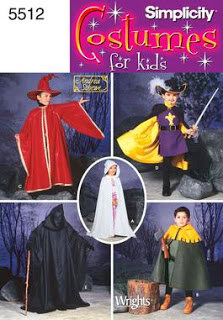
A lot of you wanted to know about Jo’s Hogwarts cloak. That’s Simplicity #5512 with just a few modifications.

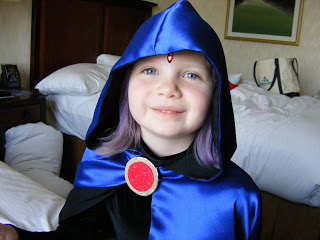
The Hogwarts cloaks have sleeves, so I used view C (the red robe) and made the sleeve openings less huge. I added on the hood from view A (the white robe) and lined the whole thing with Gryffindor satin. Adding a lining is really easy and adds so much!

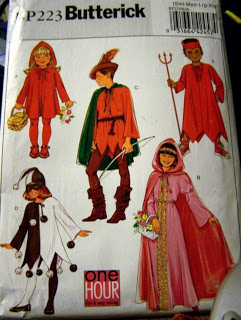
Jo is a big fan of cloaks. My favorite non-sleeved cloak pattern is Butterick BP223.

This pattern is actually no longer available, but I’m sure you can find something similar from other companies, or use the pattern number to search for a copy of it on Etsy, or Amazon.

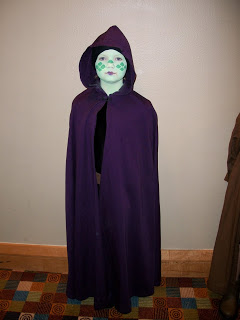
I used that pattern as is for the cloak in Jo’s Jedi costume here. . .

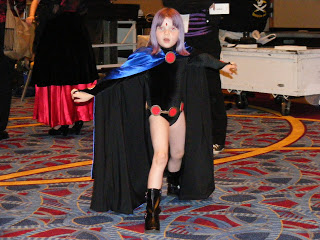
. . . and I lined it for Jo’s Raven costume here.

I love hoods on cloaks – so dramatic!

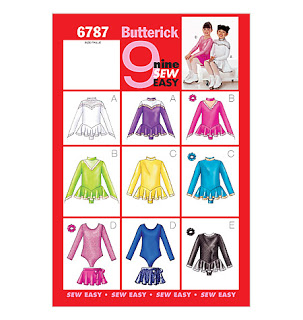
For the bodysuit part of the Raven costume I used Butterick 6787.

I love this kind of basic pattern, with lots of possible variations built right in: skirt attached or separate, sleeve hems straight or pointed, collar or scoop neck, plain body or fancy piecing. This one shows nine possible combinations, but of course there are more possibilities than that with a little additional mixing and matching of the basic pieces.

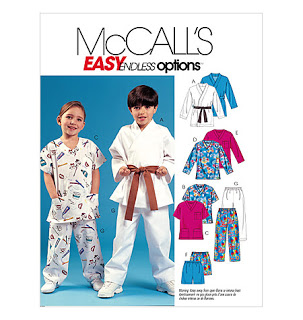
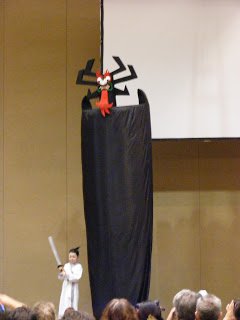
I don’t have any good photos of things I’ve made, but McCall’s 4103 is another great basic pattern. Scrubs costumes and martial arts uniforms are both good basic silhouettes that can be used for lots of things – and this pattern includes both! The pants are easy elastic waist pants that could be used for ANY costume – make them up in silver fabric for a knight, in burlap for a scarecrow. . . you get the idea. Lengthen the martial arts top, use a contrasting color for the neck band – and you have a Samurai Jack costume.

That’s a teeny-tiny Jo as Samurai Jack next to her Dad as Aku, from Dragon*Con two years ago.

Finally – shoes. Boot covers are great – but sometimes you just want to make shoes from scratch. Butterick 5233 is a great pattern – though it runs WAY SMALL so check your measurements!

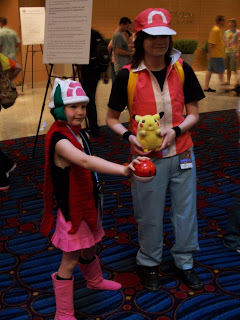
Jo used a modified version of the tall moccasins to make the boots for her Pokemon Trainer costume last year.

It was REALLY important to her that her boots be the exact same color as her skirt – and the symbol on her hat. She crocheted that scarf too!

So that’s it – some of my favorite commercial patterns for kids costuming. I make fewer costumes for big people. 🙂

Do you all have any favorites you want to share? Tell us in the comments! And tell us even if they’re out of print – old patterns are REALLY easy to find online – especially if you can give us the pattern # to search by.

Happy sewing!
Best,
Wendi

Applique Wendi (with fabulous hat)