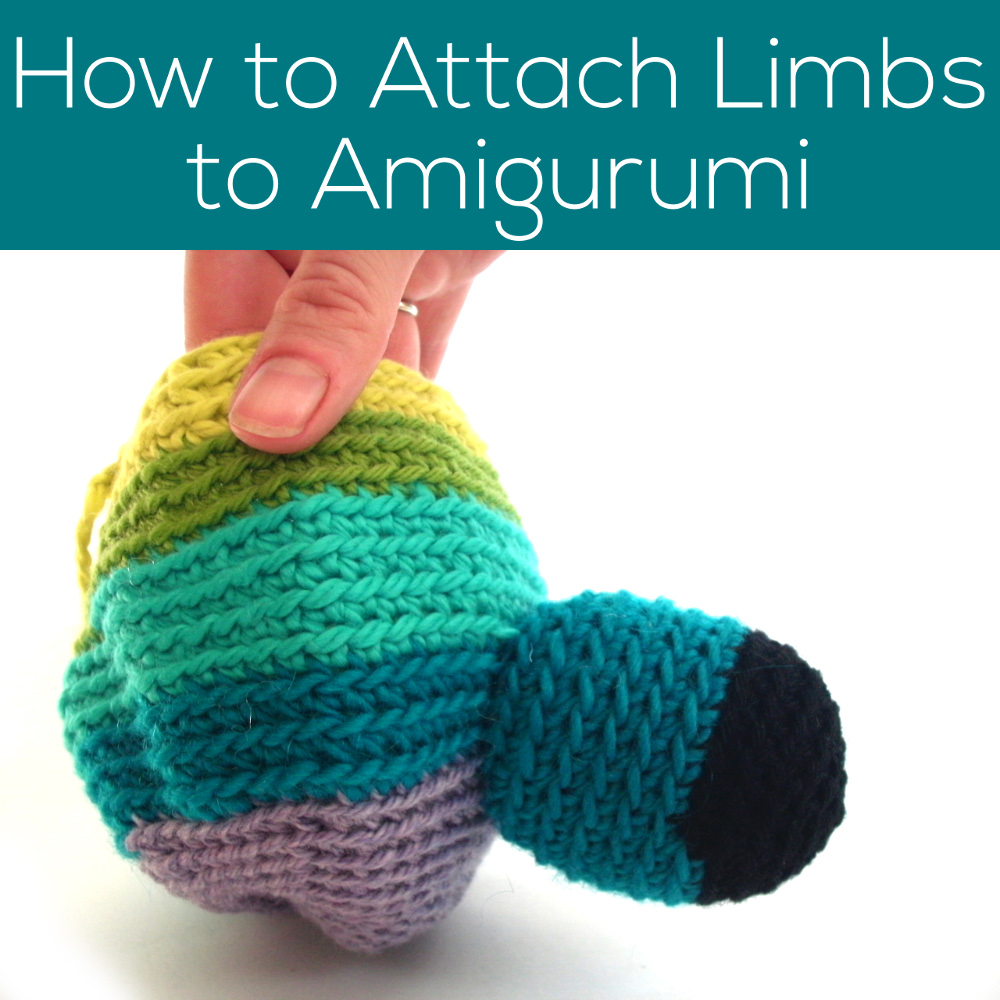
How to Attach Limbs to Crochet Amigurumi

How to Attach Limbs to Amigurumi - tutorial from Shiny Happy World & FreshStiches

Most people tell me that they’ve got a handle on the crocheting part… but when it comes to assembling amigurumi pieces, they dread it! That makes me sniffle… making amigurumi should be 100% fun!

So, in this post, I’ll show you how to attach limbs easily and evenly… taking all the stress out of sewing. The trick to easy attaching is planning out your placement ahead of time. It’s a piece of cake after that!

Plan where to attach your limbs

I’m making Jackie the Cow and I’m about to attach the legs and arms.

The instructions say, “Attach legs to rounds 9-14.”

Of course, this is just a suggestion! You can attach limbs wherever you’d like… but I’ve told you where I attach mine so there’s no guesswork on your part!

What you want to do is find out where round 9 is, and place a locking stitch marker there. Start counting (see the ridges?) from the center:
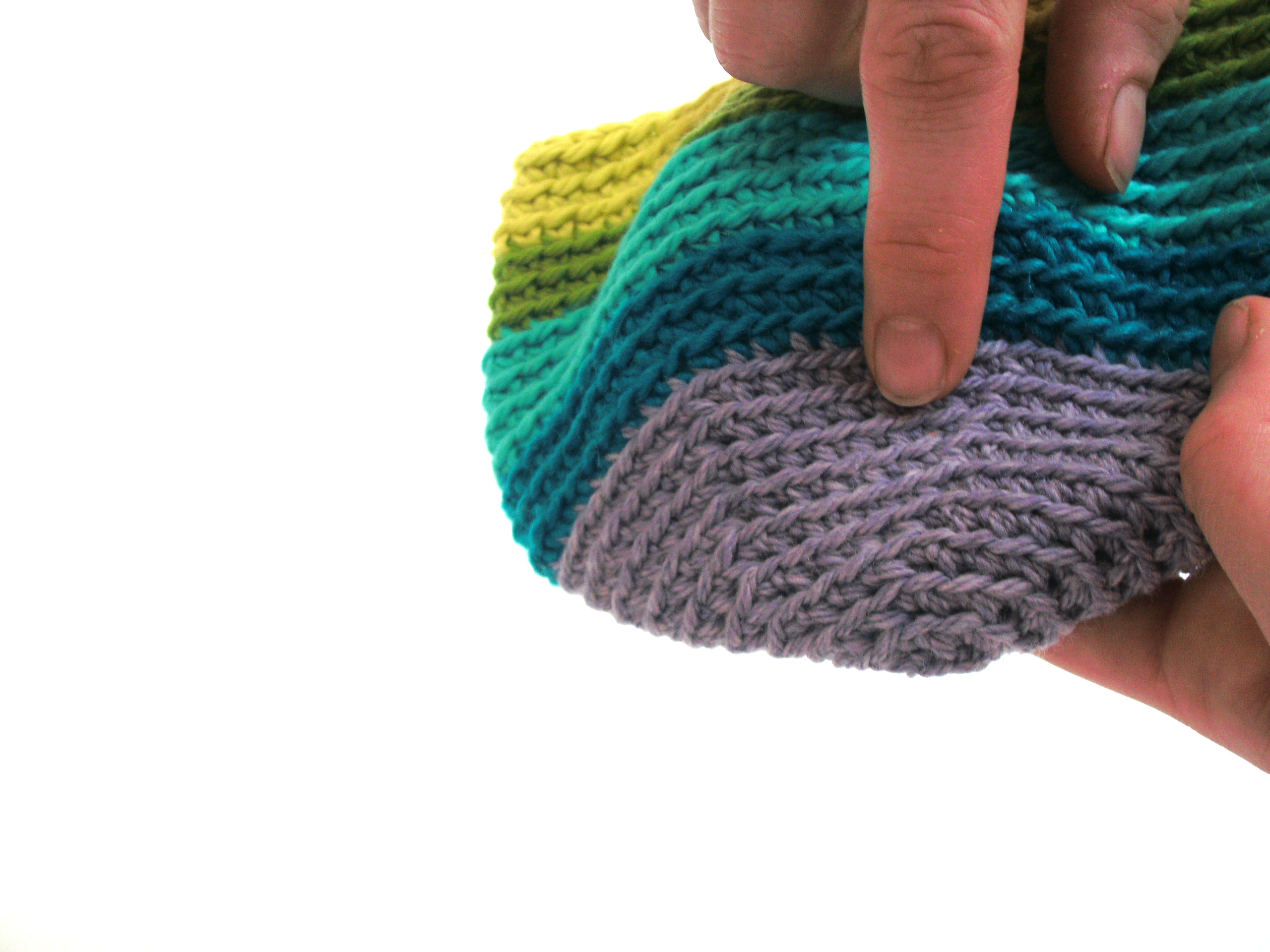
Count until you’re at round 9, and place a marker. Place another at round 14. Now you know where your leg should be located on the body!
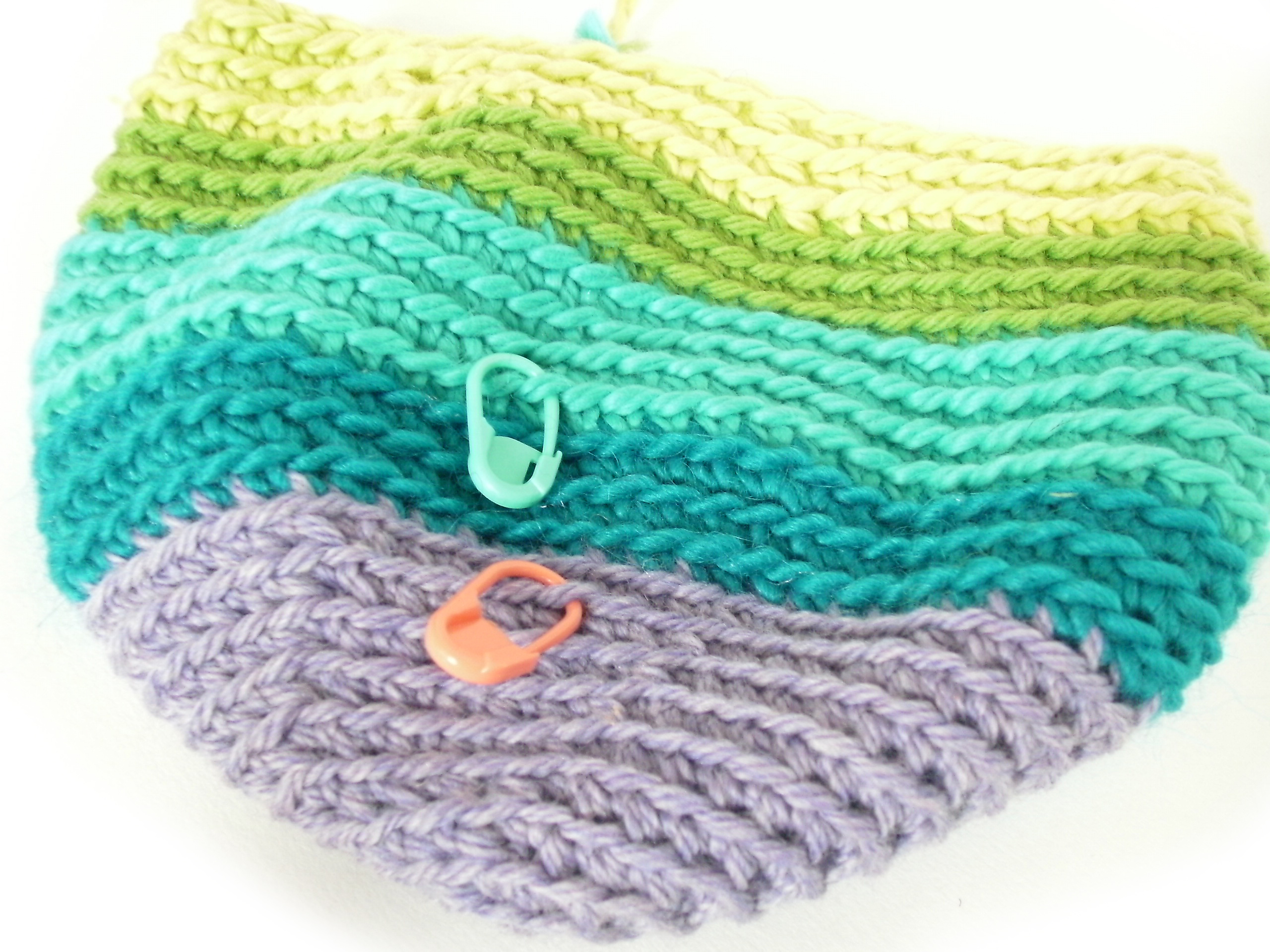
If you find that your pieces tend to move around a lot when attaching, you might want to go one step further and use locking stitch markers to hold your piece in place. The more you prepare your pieces, the easier sewing will be!

Stuff your limbs

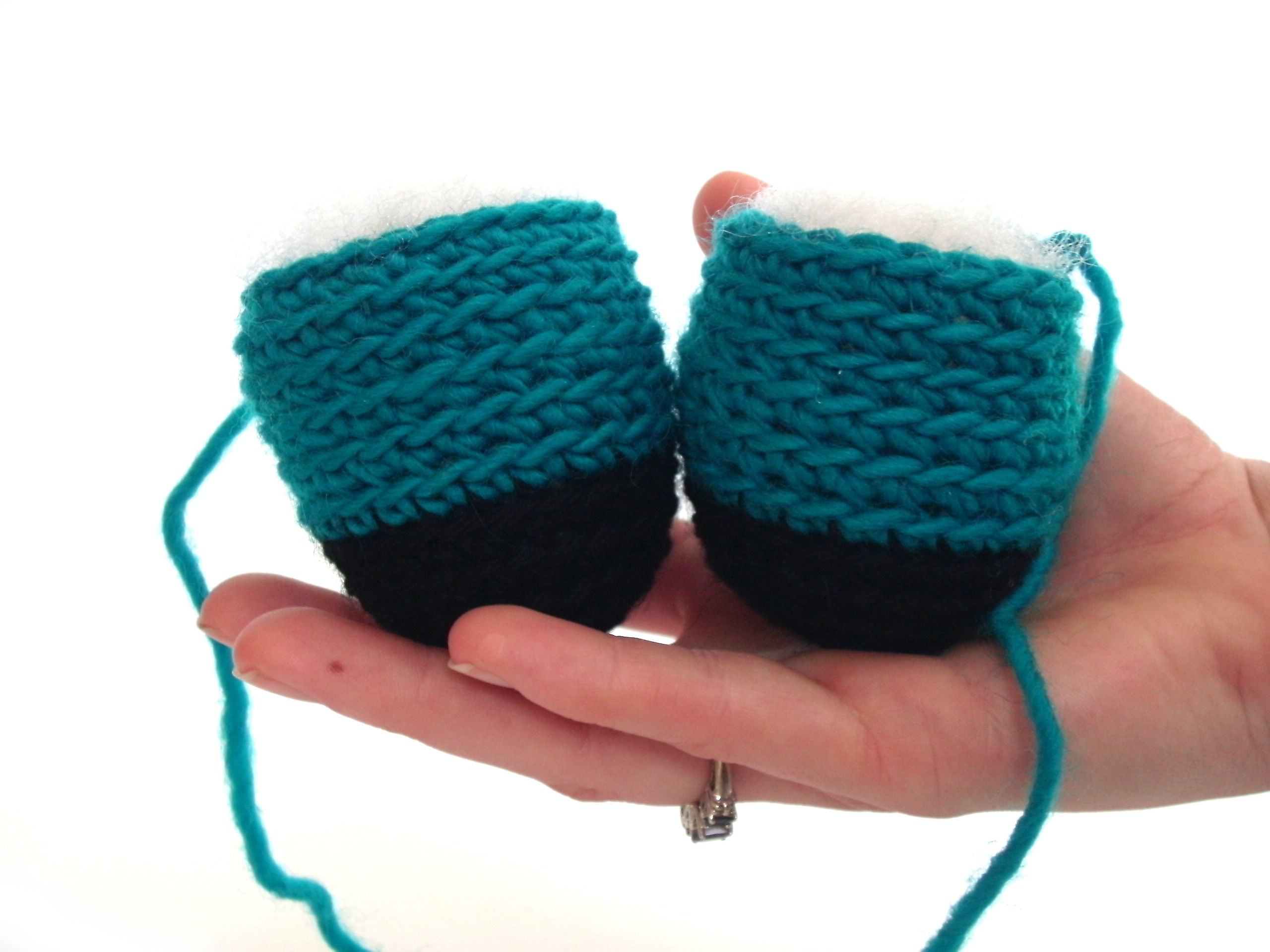
Grab some Polyfill and stuff your limbs:

I like to stuff both legs at once, so I can be sure they are the same size:
Sewing!

It’s not as hard as you think… I promise! We’re going to use a simple whipstitch to attach the limbs… the important thing is to let your guides (the rows and stitch markers) do all the fancy work!

Thread the needle

To begin: thread a tapestry needle with the long tail of a leg. As the first step, I like to hide the knot… so I run my needle through the first stitch on the leg:
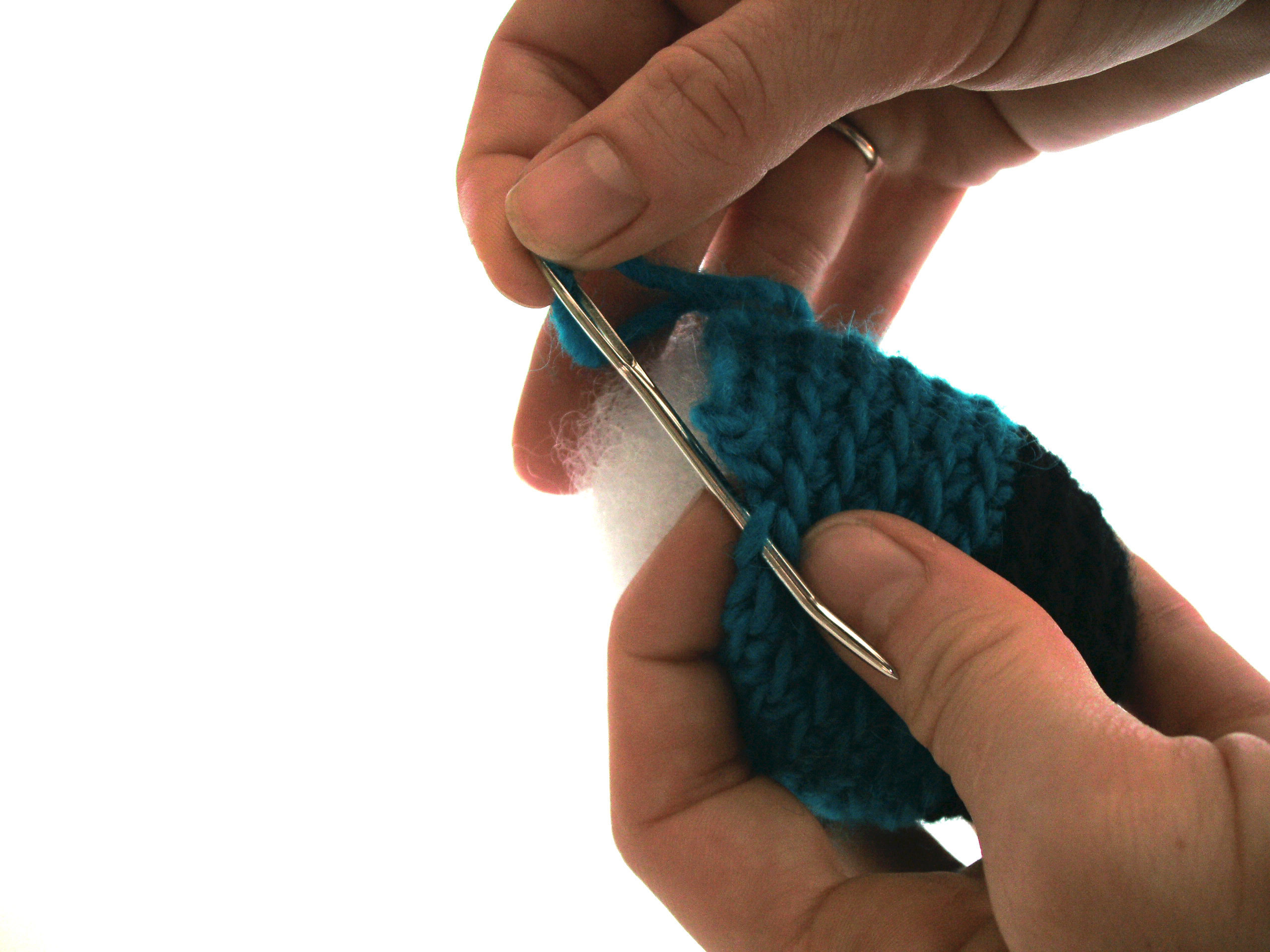
This hides the knot beautifully! See?
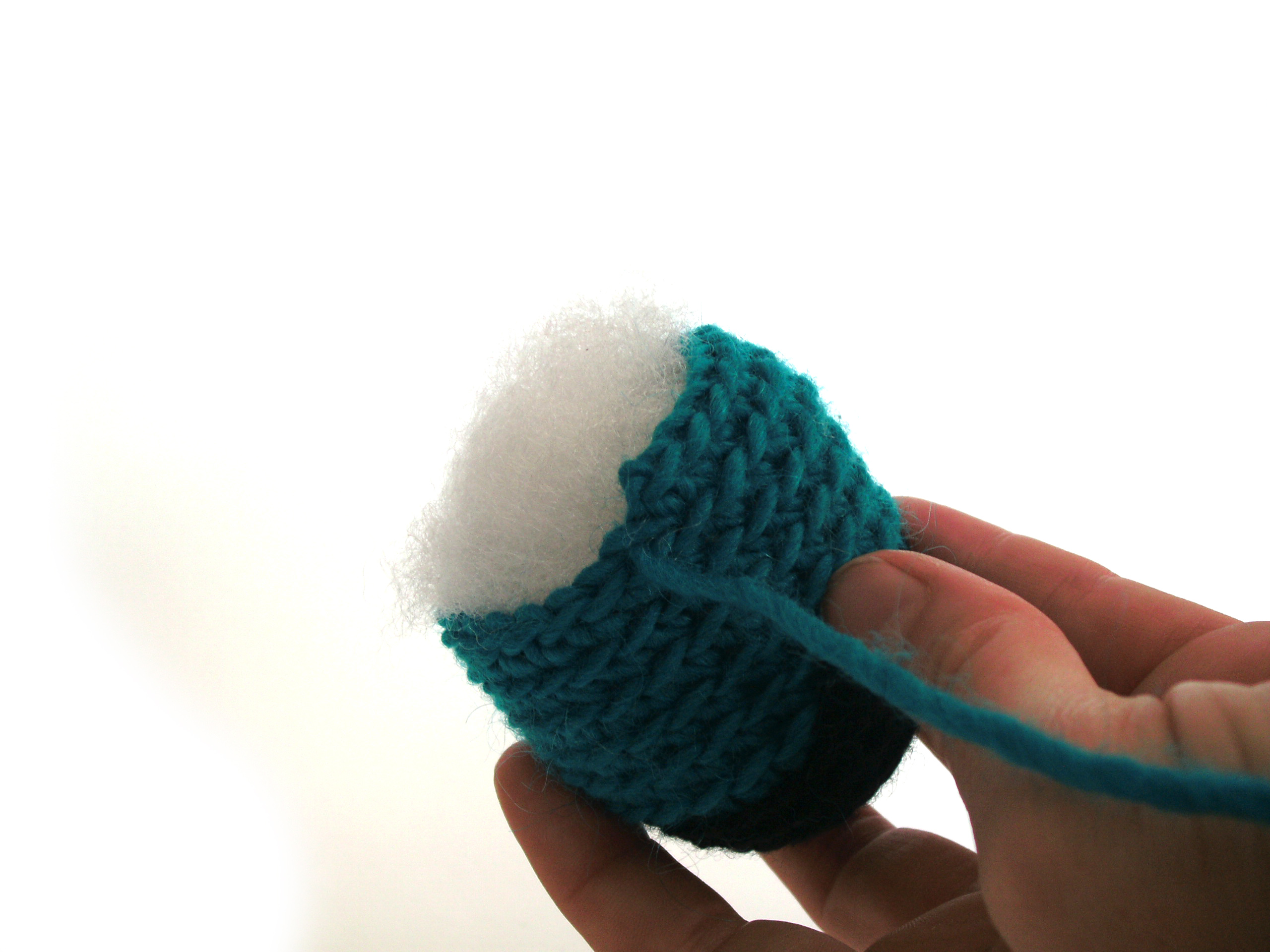
Whipstitch!

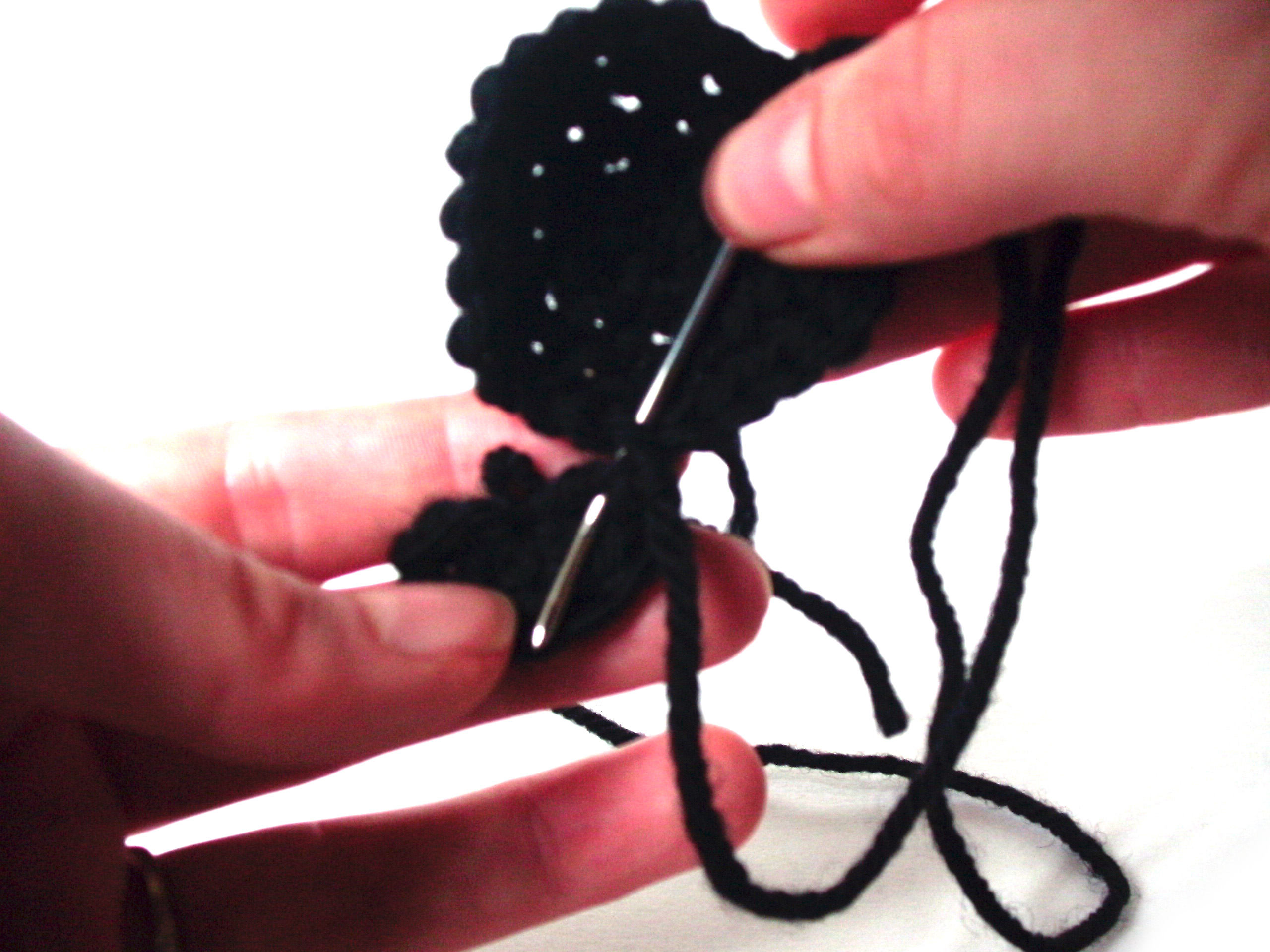
The leg that we’re attaching has 24 stitches. So, if we attach along 6 stitches to round 9, 6 stitches going up to round 14, 6 stitches on round 14, and then 6 stitches going back down to round 9… the leg will be attached evenly! So, begin by threading the needle through one stitch on the body and one stitch on the leg:
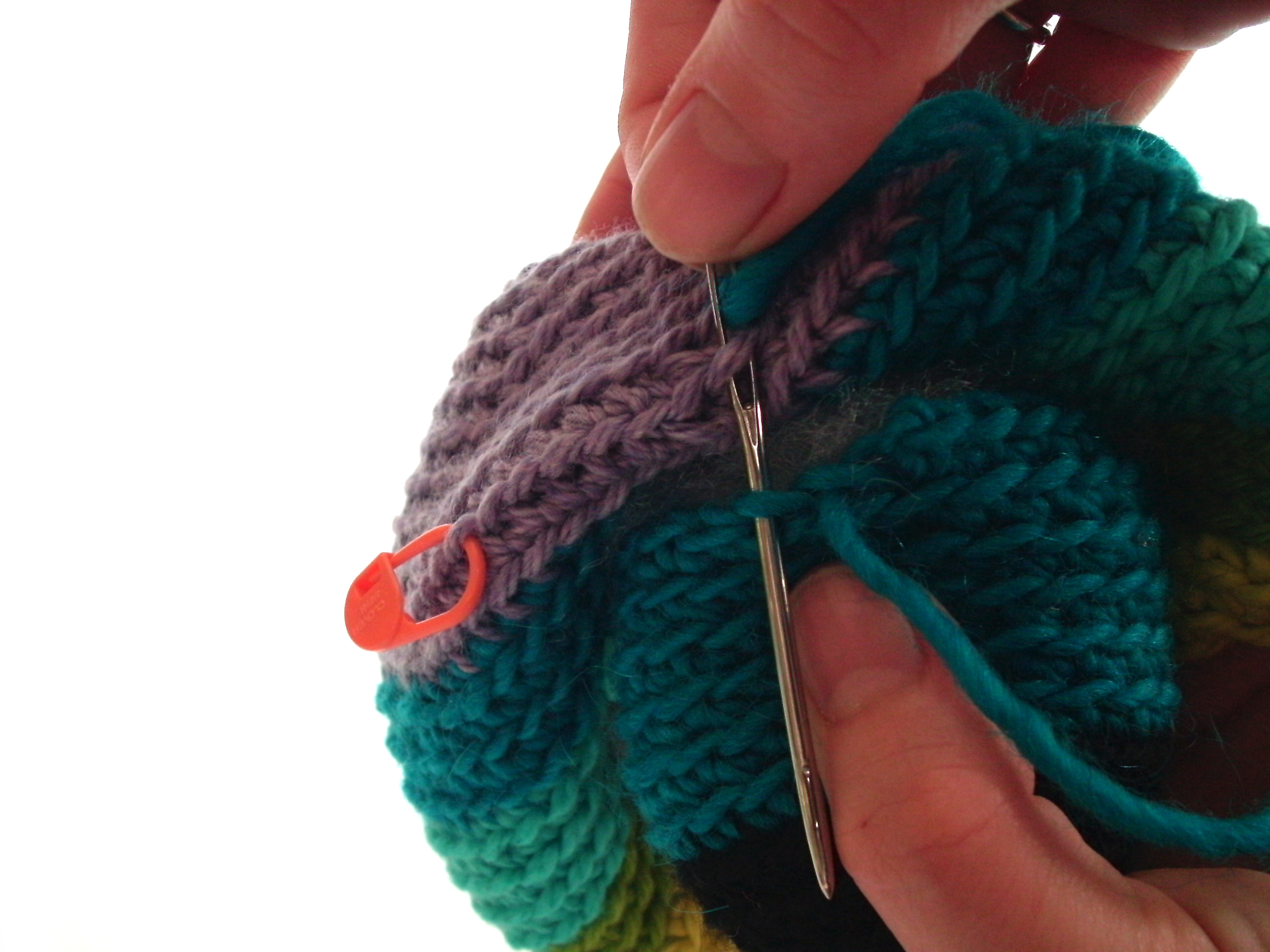
close up showing how to attach limbs to crochet stuffed animals - shows the tapestry needle going through one stitch on the leg and one stitch on the body

That’s it! You did a whipstitch! Check out this little video if you want to see it in action:


Continue to do 6 stitches on round 9… and then continue stitching (sorta turning 90 degrees) to get to round 14. See? You’re using the stitches on the body to guide you! Easy!
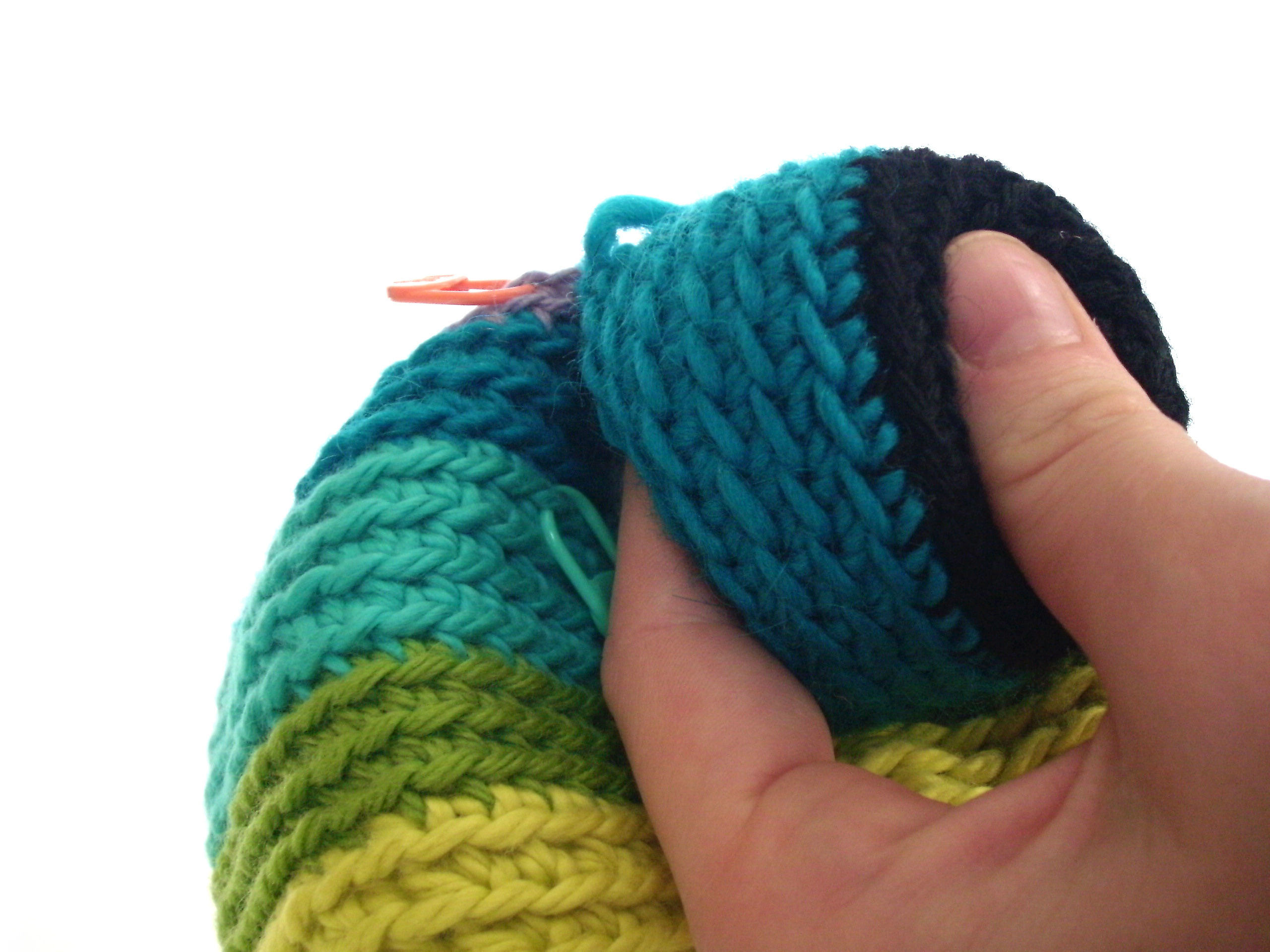
As long as you keep attaching one stitch of the body to one stitch of the leg, you’ll stay on track!

Continue all the way around, and tie a knot on the inside of your work.

Ta da!
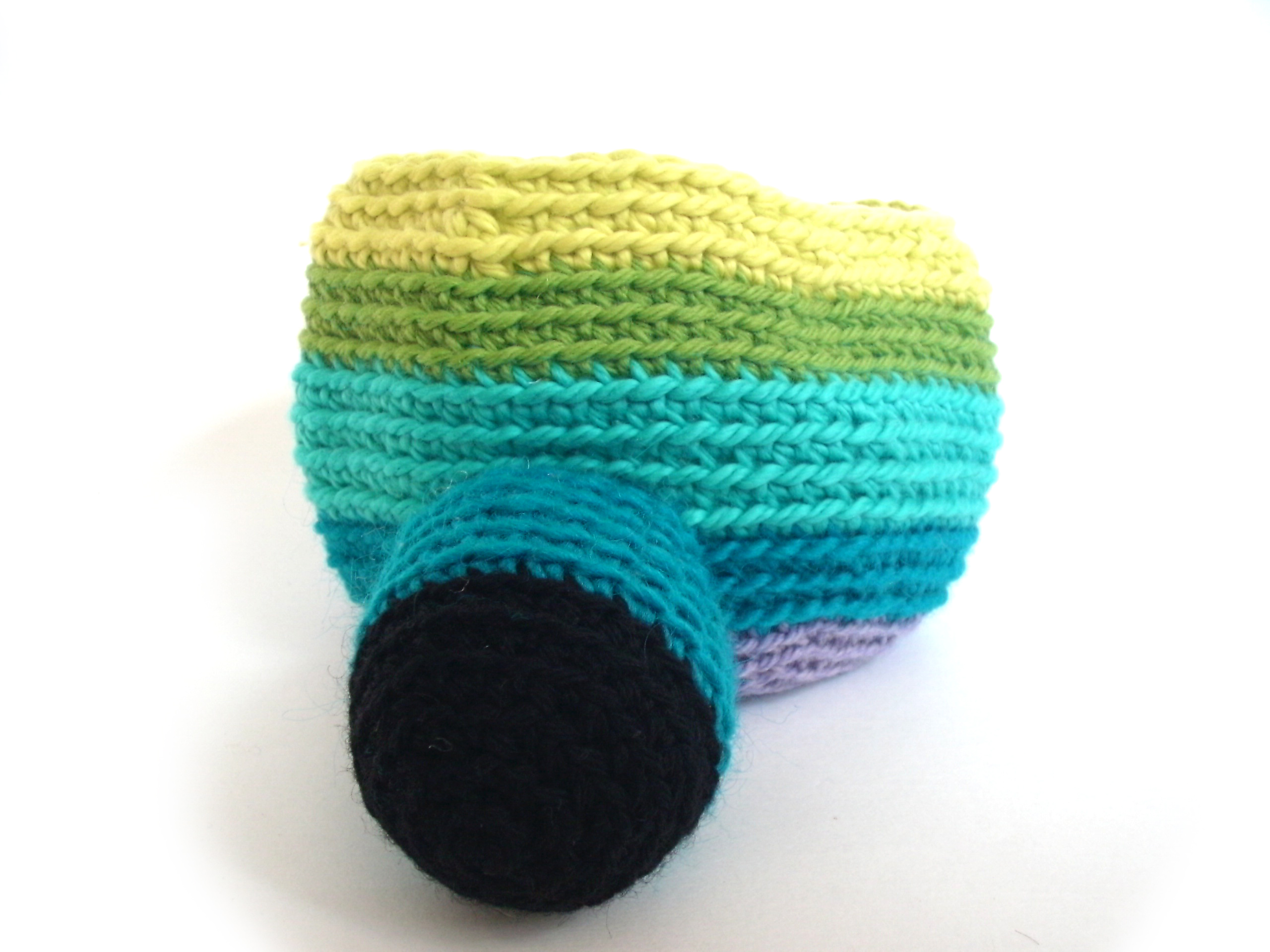
Repeat for second leg

Now, at this point, you may want to get picky. See how there’s a jog in the leg where the colors changed?
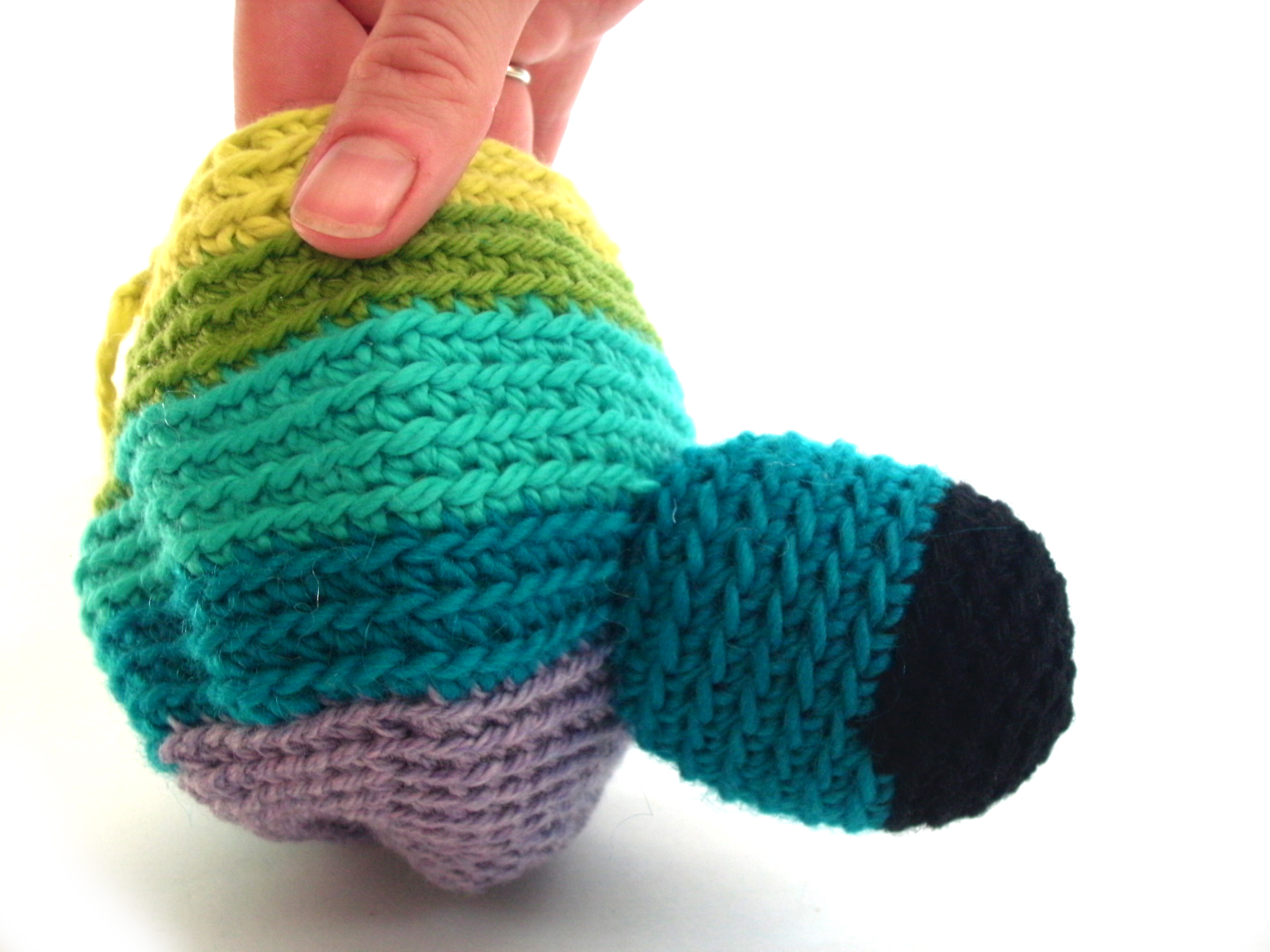
If that jog bothers you… no problem! Just decide where to place your second leg so that the jog ends up at the back of the cow! See… I’m going to put my second leg over here (on the other side of the jog), leaving the color change nearly invisible:
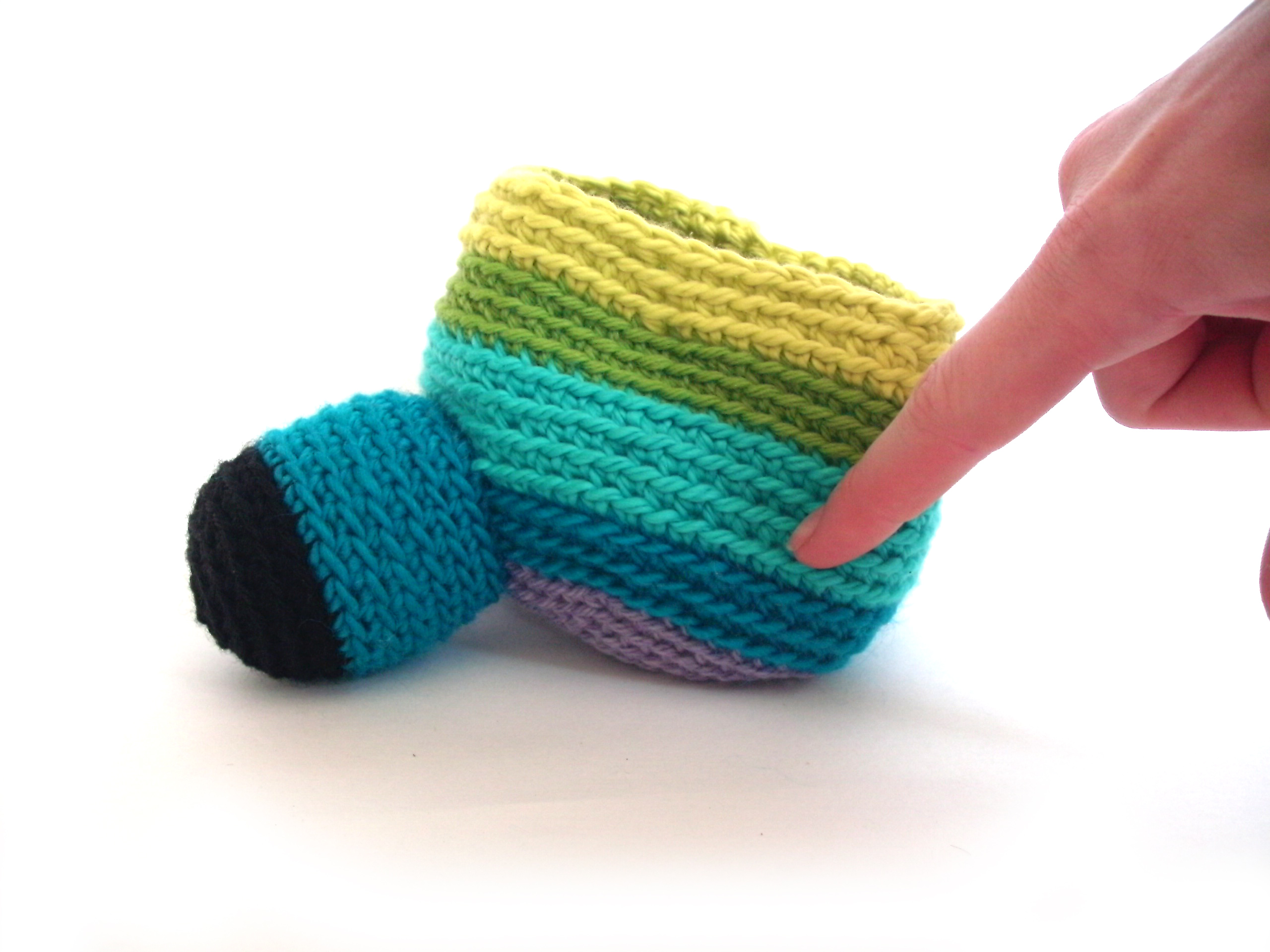
Now attach the second leg… same as the first! Don’t forget to place your helpful markers if you need them!
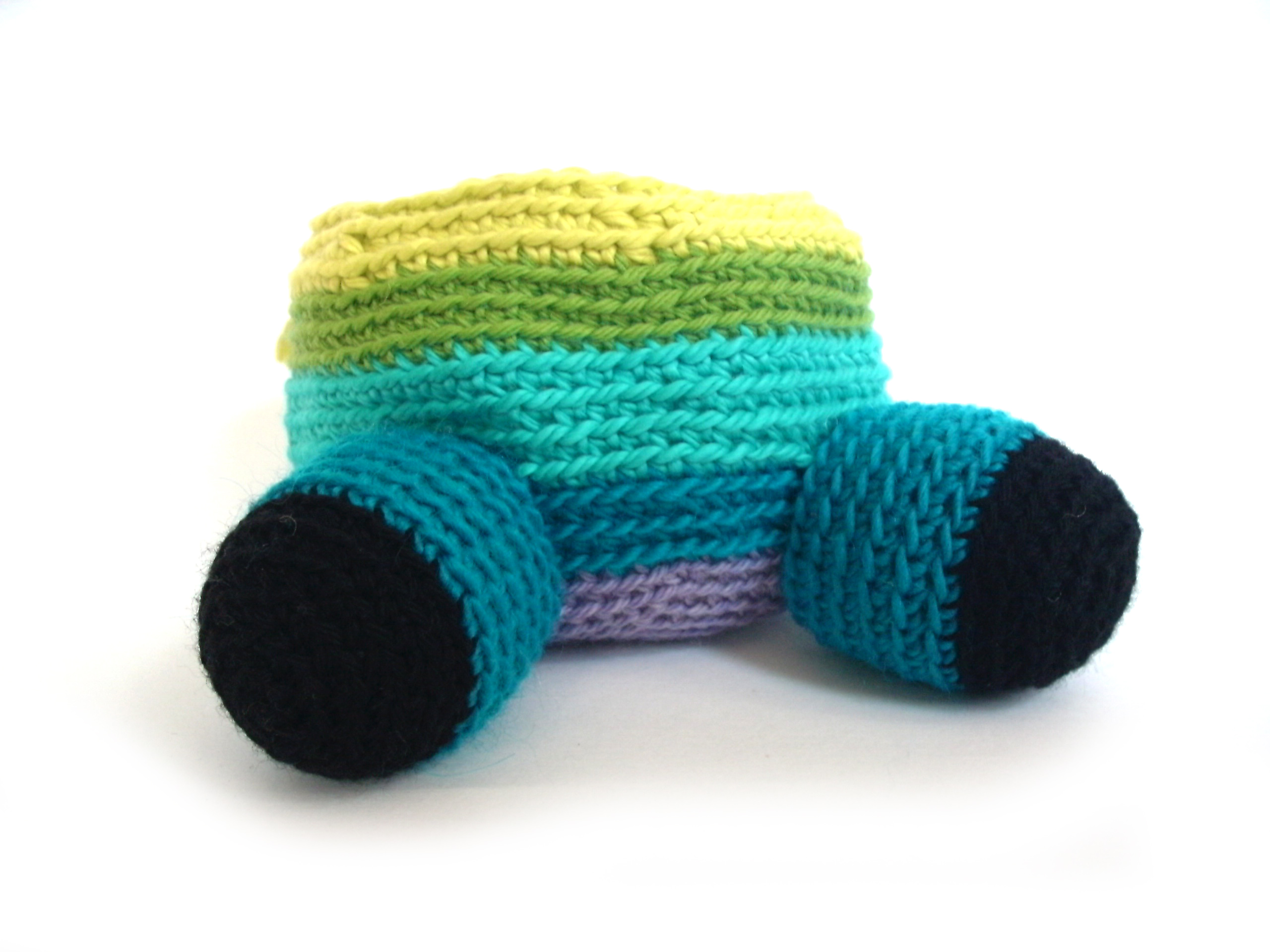
partially crocheted softie body with two legs - demonstration showing how to attach limbs with whipstitch

Repeat for arms!

You’ve got it down, now! Attach the arms using the same method!
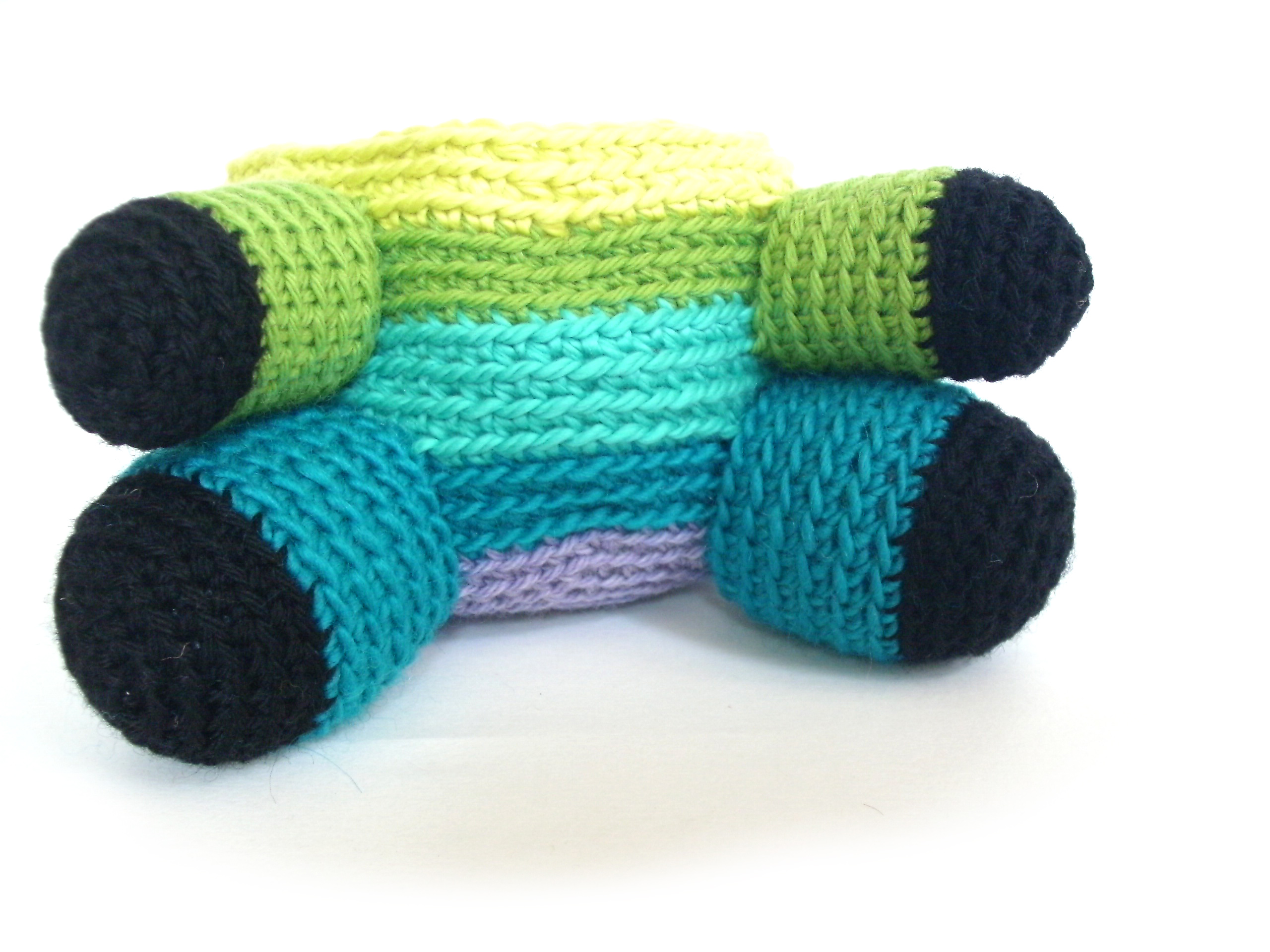
crocheted body with four limbs attached with whipstitch

You did it!

That wasn’t so bad, was it?

Other Ways to Attach Limbs

There are a few other ways to attach limbs to crocheted softies – each gives a different look.

Does your pattern tell you the flatten the piece and then attach it? Then click over here for this tutorial. 🙂

Does your pattern tell you to attach the piece with single crochet as you stitch? That’s my favorite way to attach limbs. The pattern will say sc-attach and you can find a video tutorial for that method here. This method works great for flopp[y limbs that are attached along a single row of the design.

Vibrant handmade crochet toys and patterns from Shiny Happy World.

Here are handy links to all the posts about attaching parts. . .

Return to the main table of contents for Let’s Learn to Crochet Amigurumi.

Move on to the lessons about faces and details.

Happy stitching!
Vibrant handmade crochet toys and patterns from Shiny Happy World.

Connecting your Cow’s Spots… it’s easy!

I’m lovin’ the Cow Crochet-a-long… I’m already seeing some fabulous finished cows! Don’t forget that, to have a chance to win the awesome prize, you’ll need to post a photo of your cow either on our facebook page.

How to connect spots

For those of us who aren’t finished… the tips are still coming! Click here to check out all the previous posts. To this point, we’ve finished the crocheting, and we’re getting ready to start sewing pieces together.

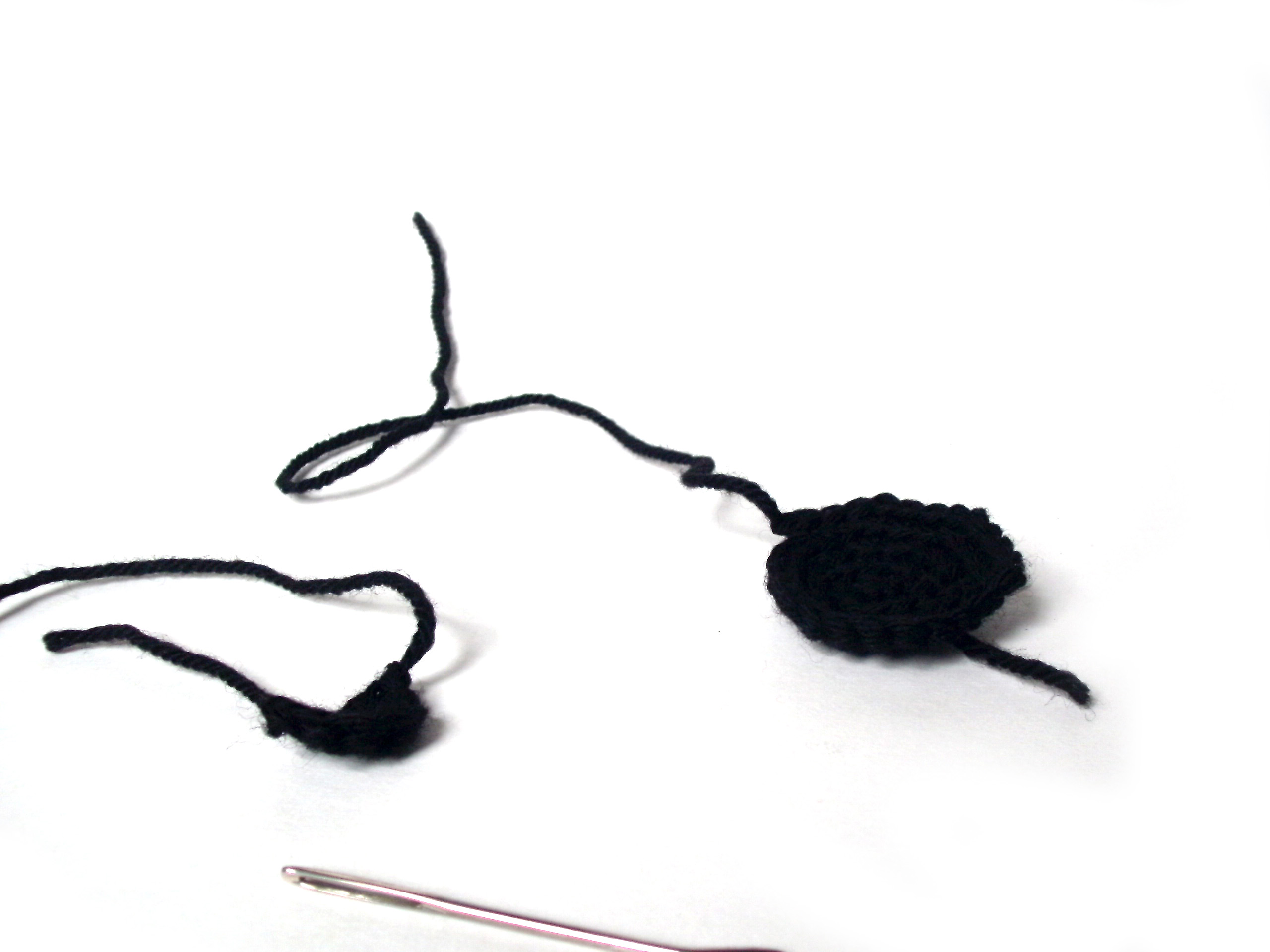
Today, I’m going to show you how to make the spots… which are made by assembling 2 crocheted pieces. Here’s what they look like:

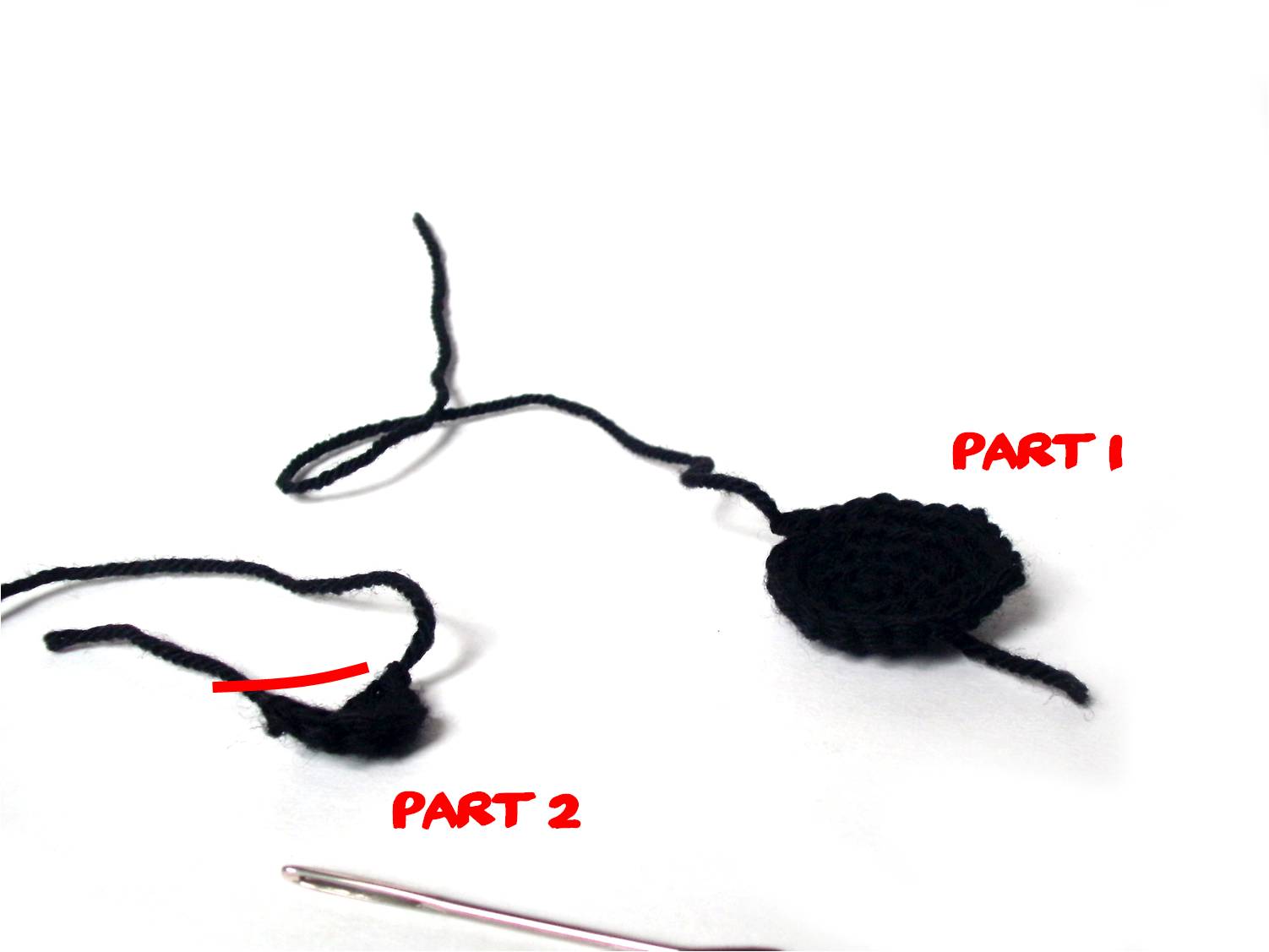
Let me label them (since they’re called part 1 and part 2 in the pattern) to help you out a little:

So, the instructions tell you to attach the flat side of part 2 to part one. Do you see the flat side? I’ve indicated where it is in the picture above with a red line.

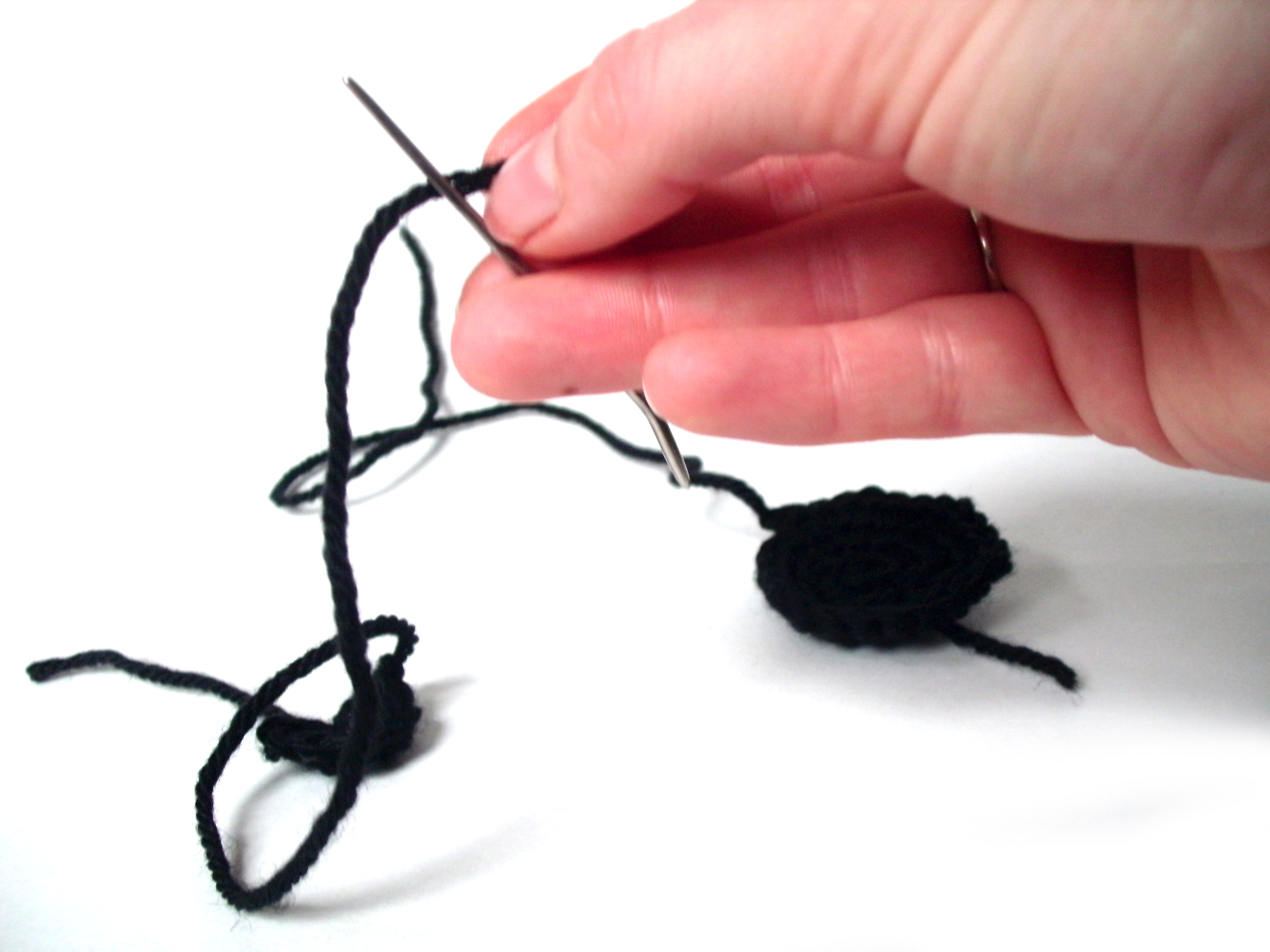
So, let’s start! First, thread a tapestry needle with the long tail of part 2:

Now, use a whipstitch to attach the flat side of part 2 to part 1. Anywhere along part 1 will do!

When you’ve gotten to the end of the flat bit of part 2… you’re almost done! Your piece will look like this:

Yay! Doesn’t it look like a cow spot? Now, just tie a knot, and you’re done!

If all those ends are bothering you (’cause there are a lot!), feel free to trim them… but be sure to leave the long tail that’s on part 1. You’ll be using that tail to connect the spot to the body.

Hooray! On Thursday, I’ll shop you how to attach the cow’s limbs easily and evenly!

Sewing Camp Awesomeness

Sewing Camp last week was a huge success. I’m so glad I brought my camera and made time to snap some photos on the last day. Look at the fabulous things they made. . .

Vibrant love for handmade plush toys at Shiny Happy World, especially their beloved stuffed animal frogs.

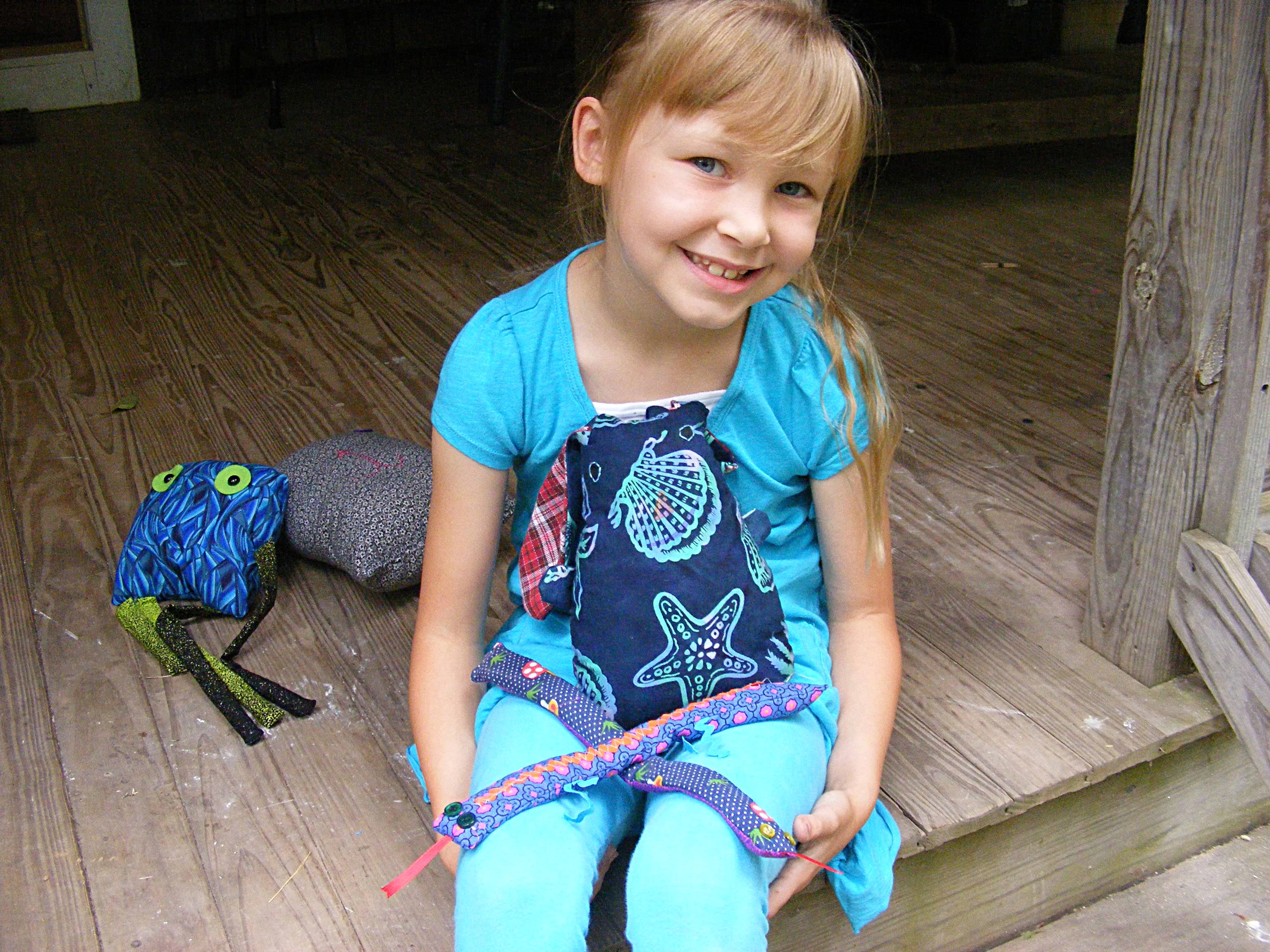
A cute bunny and some snakes in her lap – but don’t miss the silly monster on the floor near her. And that grey pillow is actually a cat pillow.

Colorful fabric doll with girl holding handmade stuffed animal, showcasing creative sewing projects.

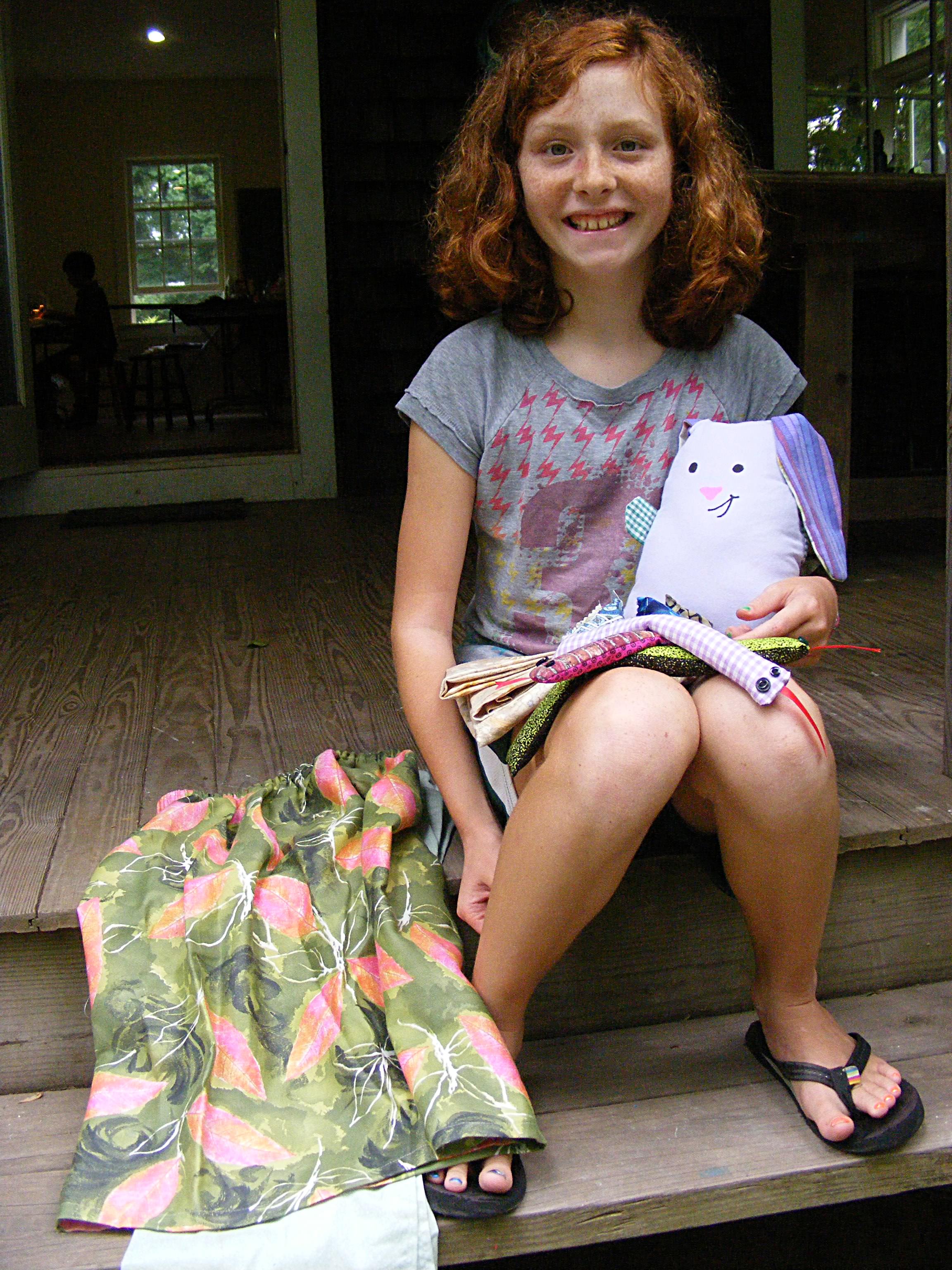
Another bunny, some snakes, a couple of skirts, a pillowcase, and some beanbags. Busy!

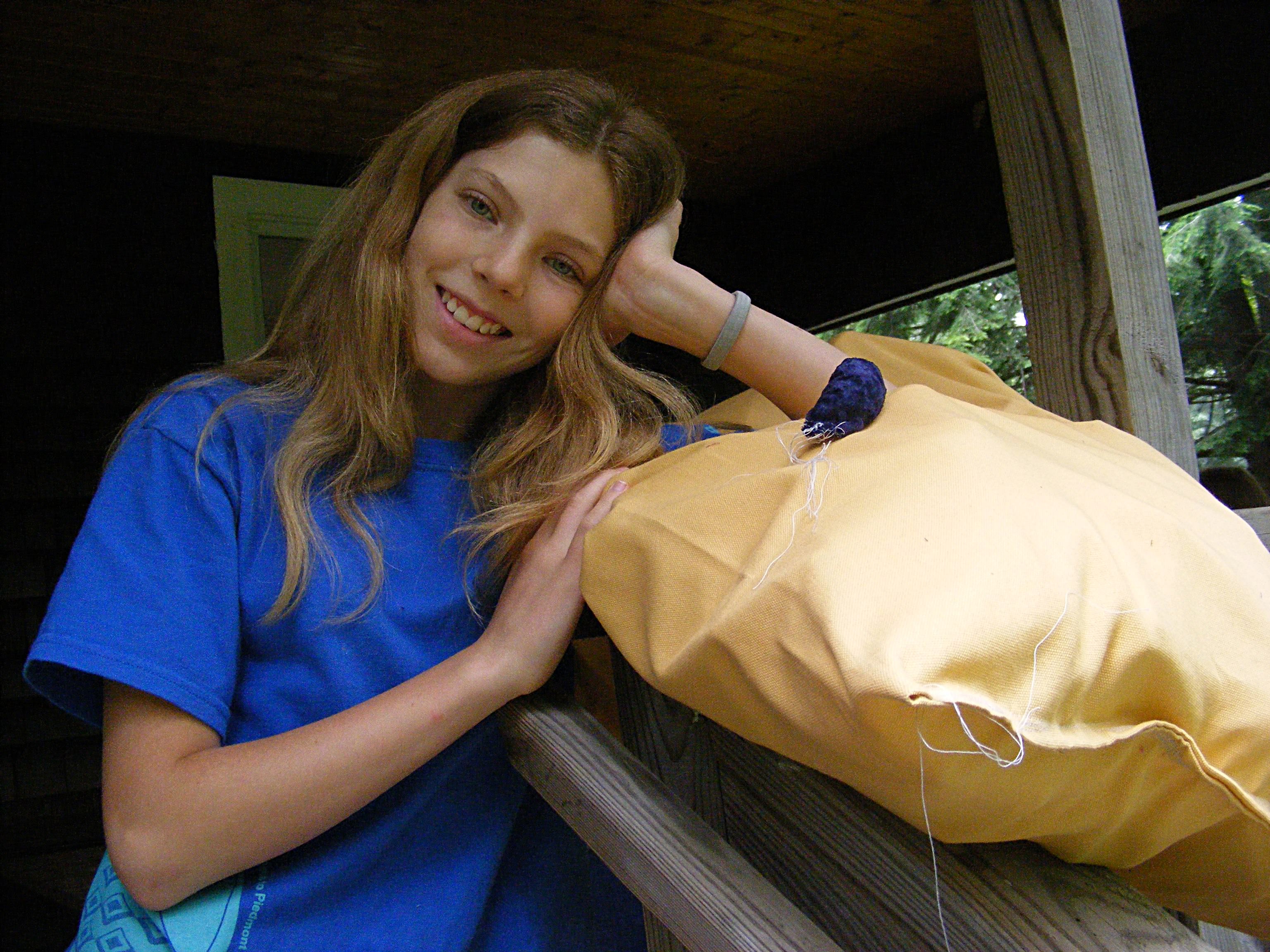
Smiling girl with doll on porch holding plush owl tote bag.

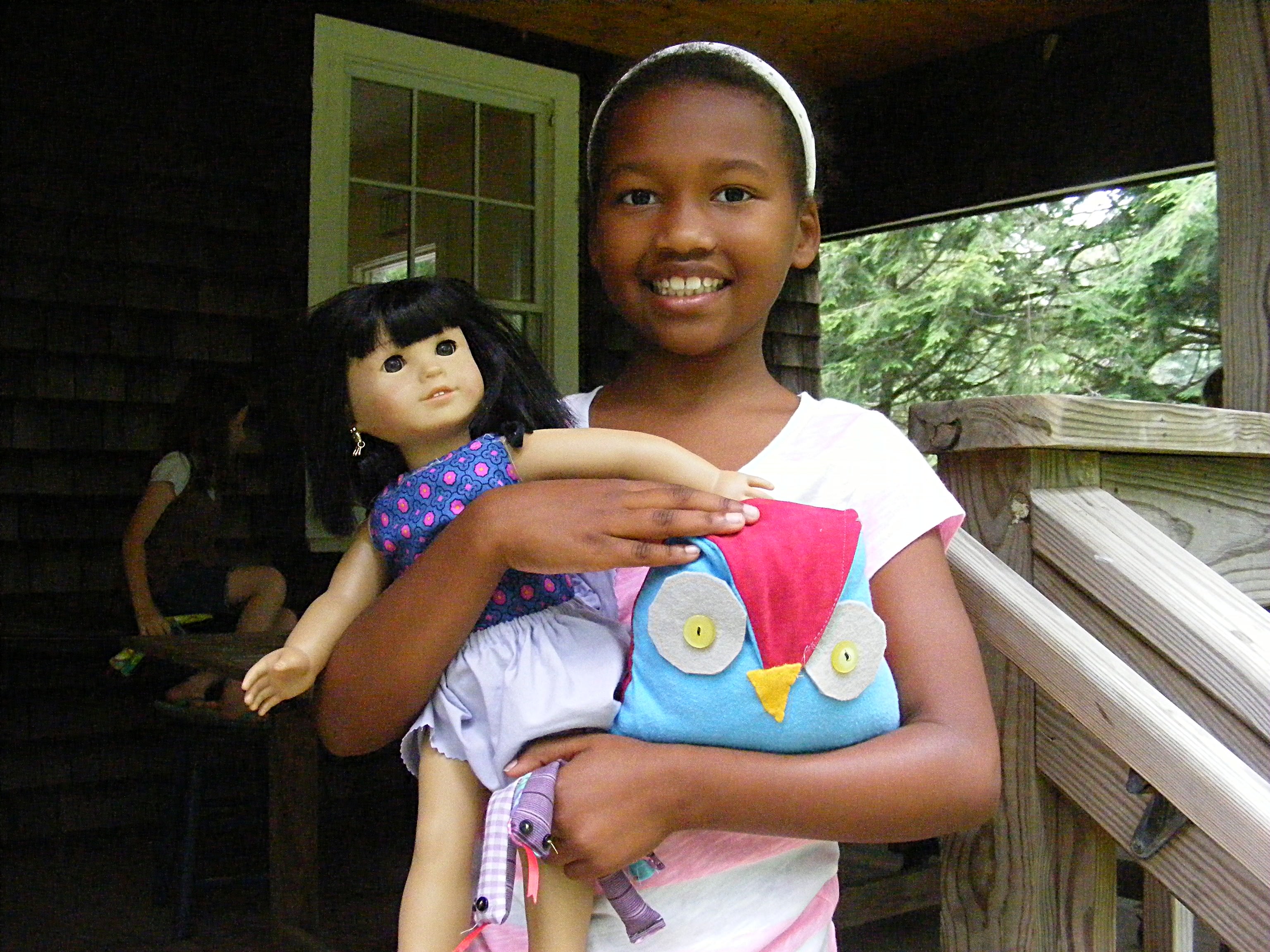
Some doll clothes, an owl, and more snakes!

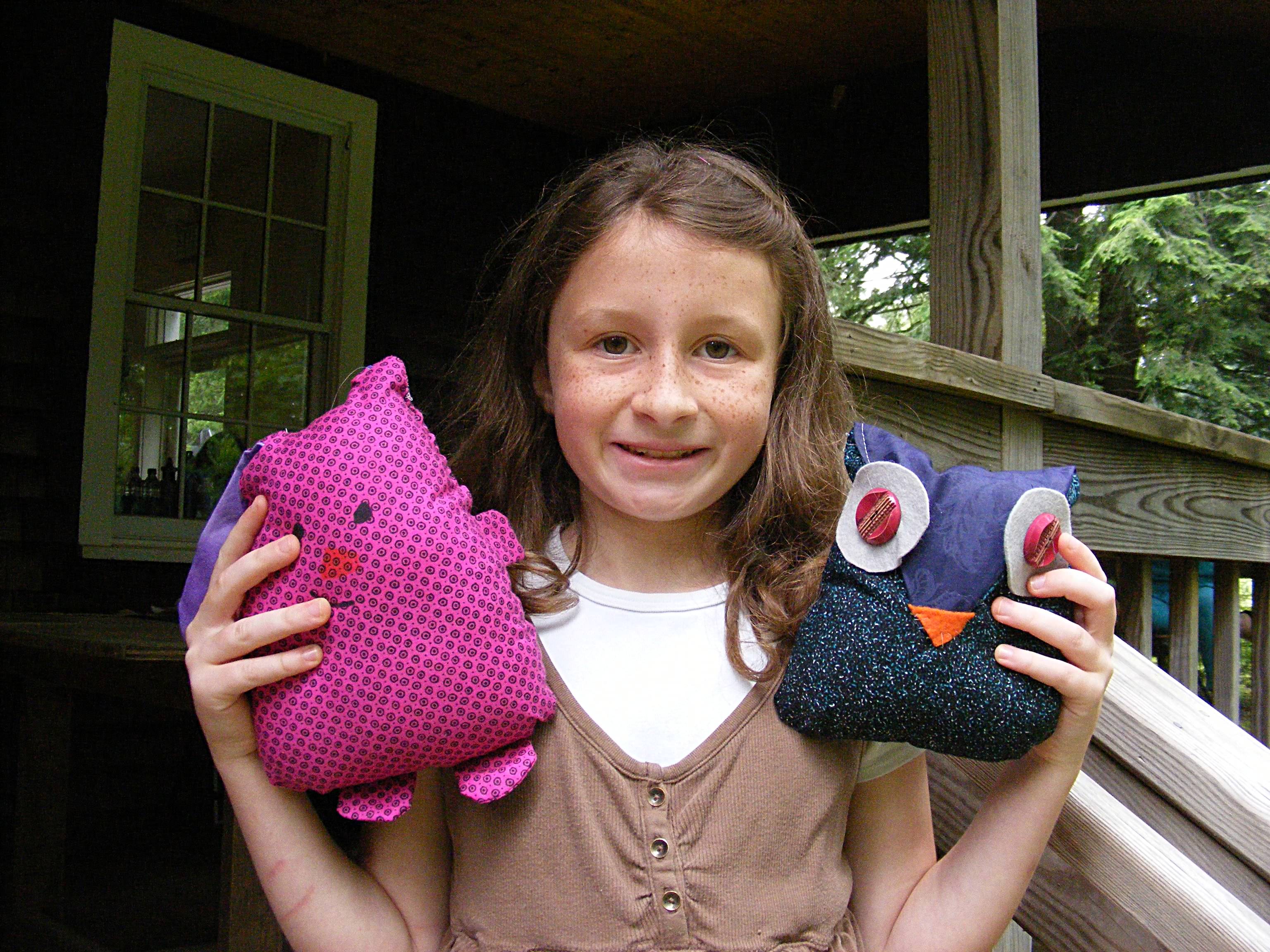
Colorful handmade plush toys featuring a pink creature and a dark blue monster with button eyes.

More softies! She made a bunch of snakes and a few pillowcases too.

Handmade stuffed animal project, girl sewing plush toy, craft and sewing activity, creative toy making, DIY stuffed animal craft.

She wanted to make things for her pets, so that’s a dog bed and a cat toy.

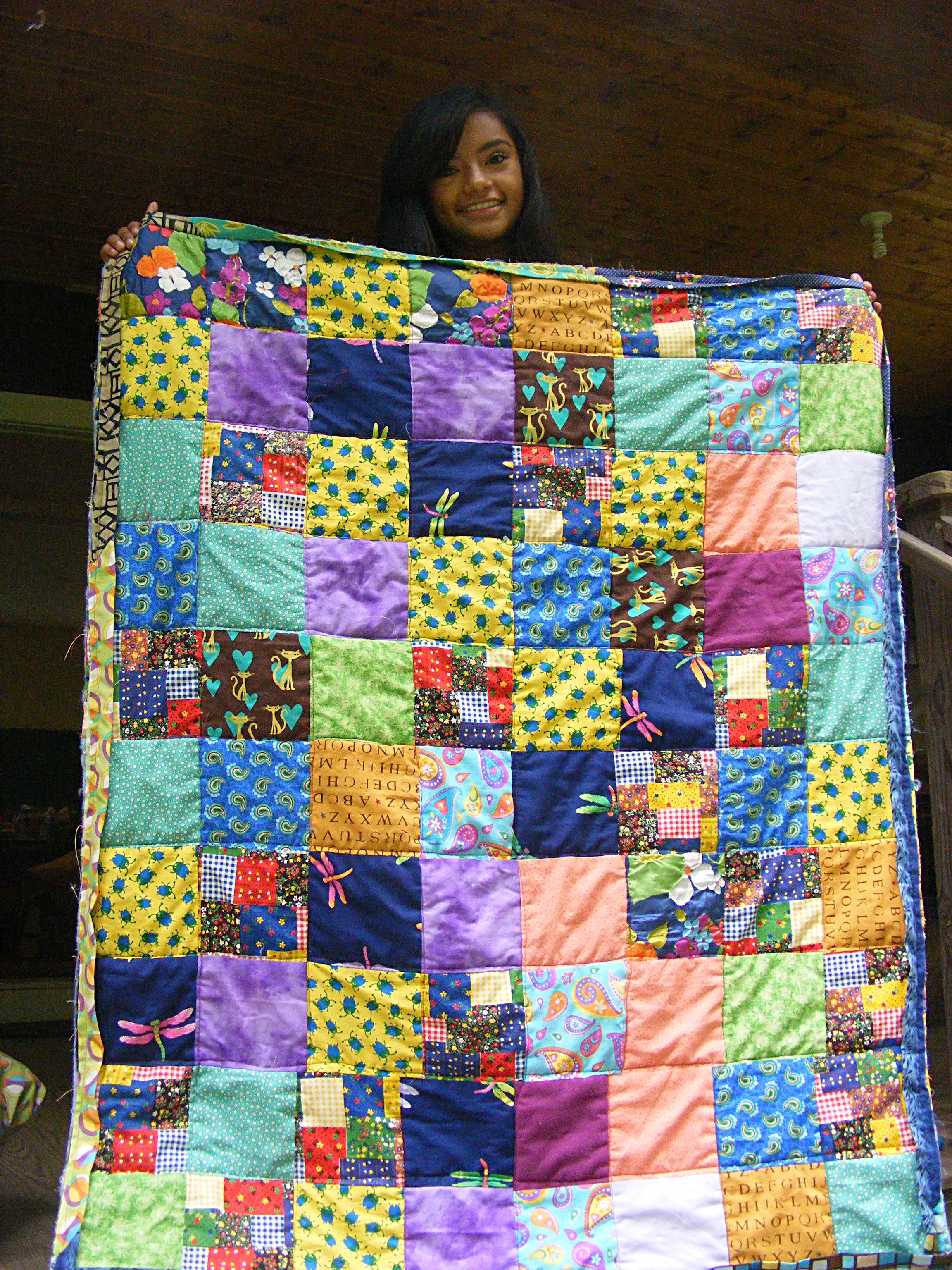
Colorful patchwork quilt featuring vibrant fabrics and playful patterns.

That quilt. That wonderful quilt!

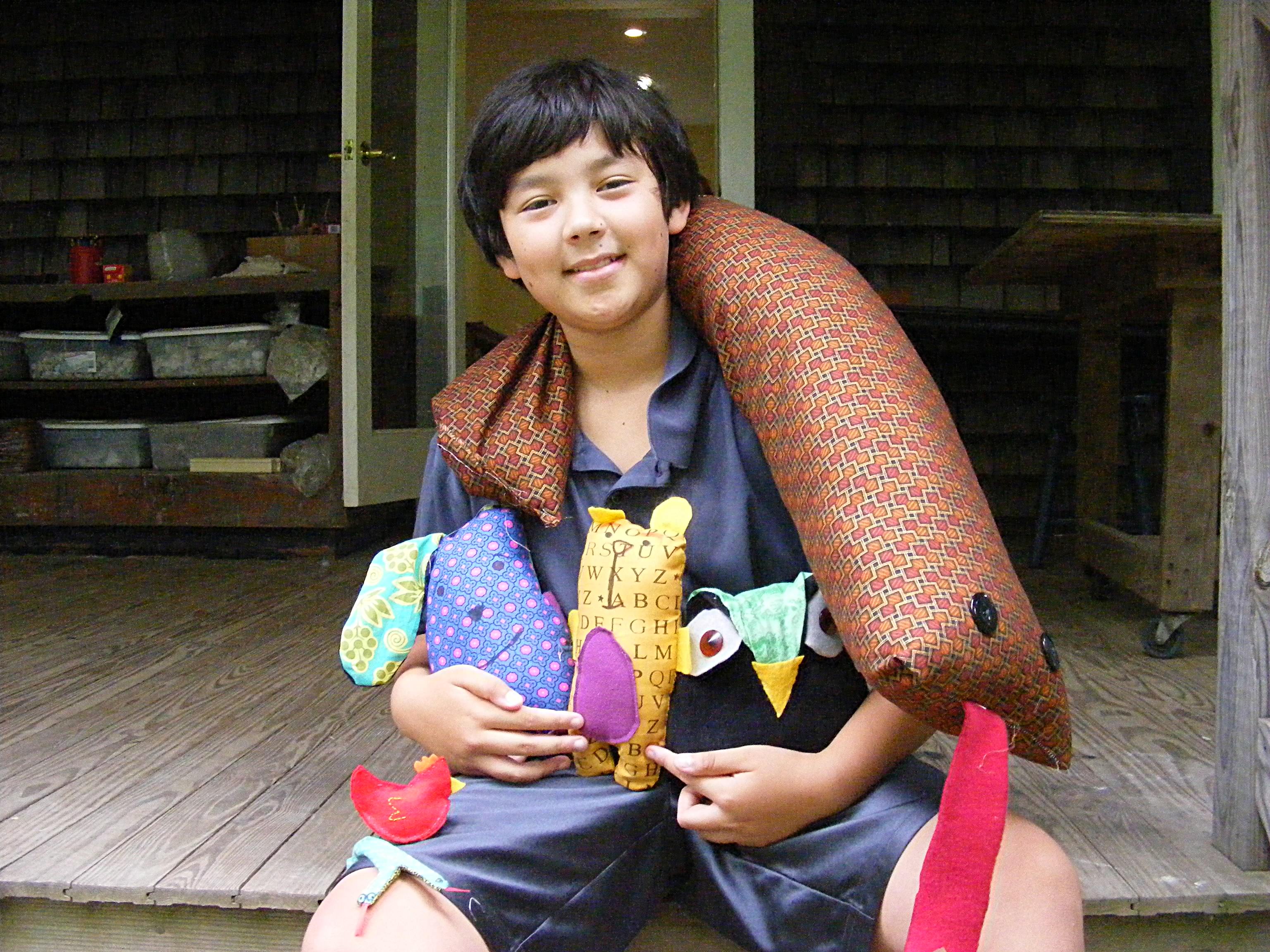
Colorful handmade puppet and plush toy collection with a smiling boy, showcasing creative craft projects.

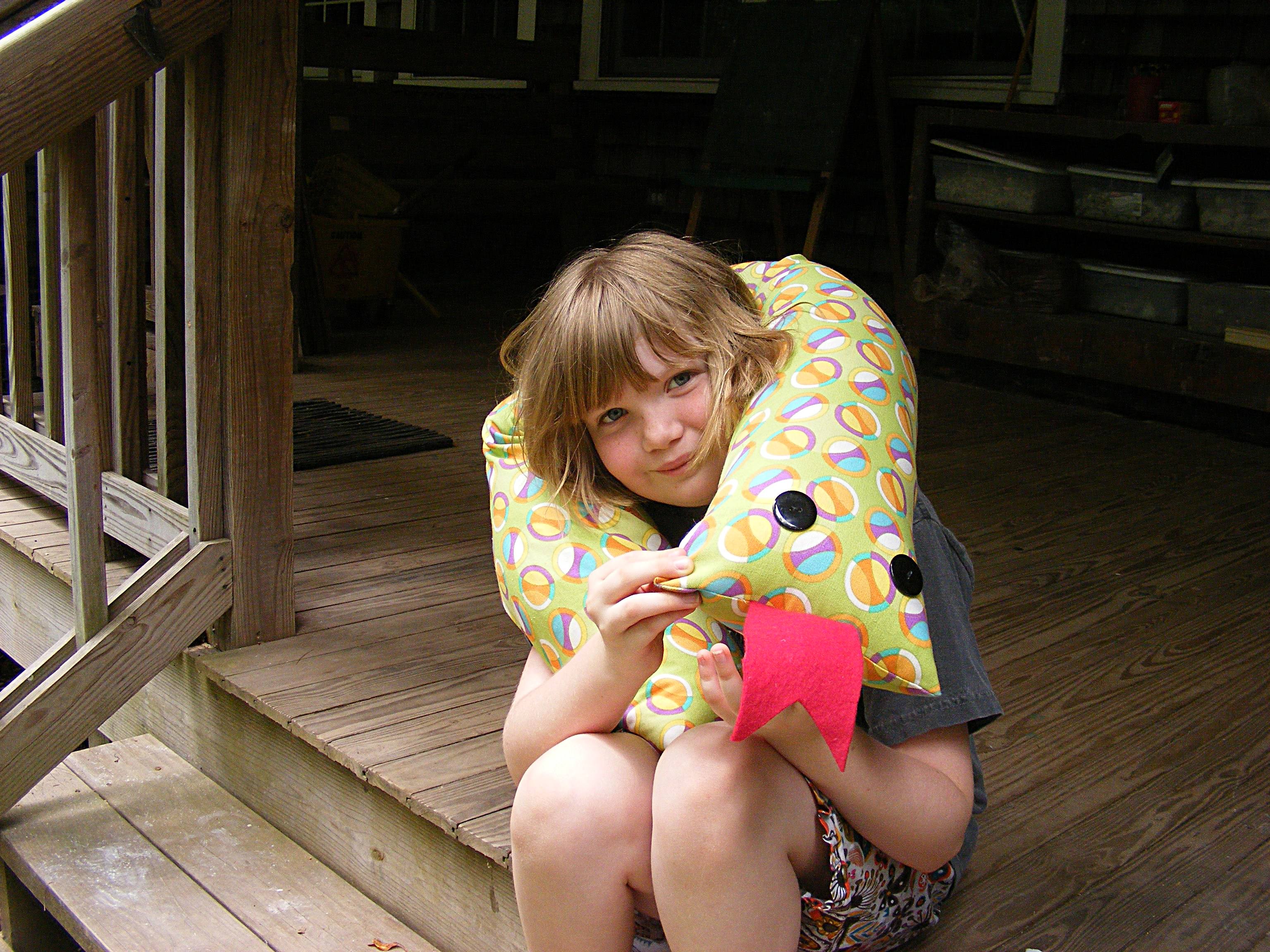
He was the softie-making king. That bear and bunny are for his sisters; the owl, hen and snake are for himself. Yes – that’s a GIANT version of the snake draped across his shoulders. 🙂

Jo was inspired to make her own giant snake.


The snakes were certainly popular. (Find the FREE snake pattern here and make your own.)

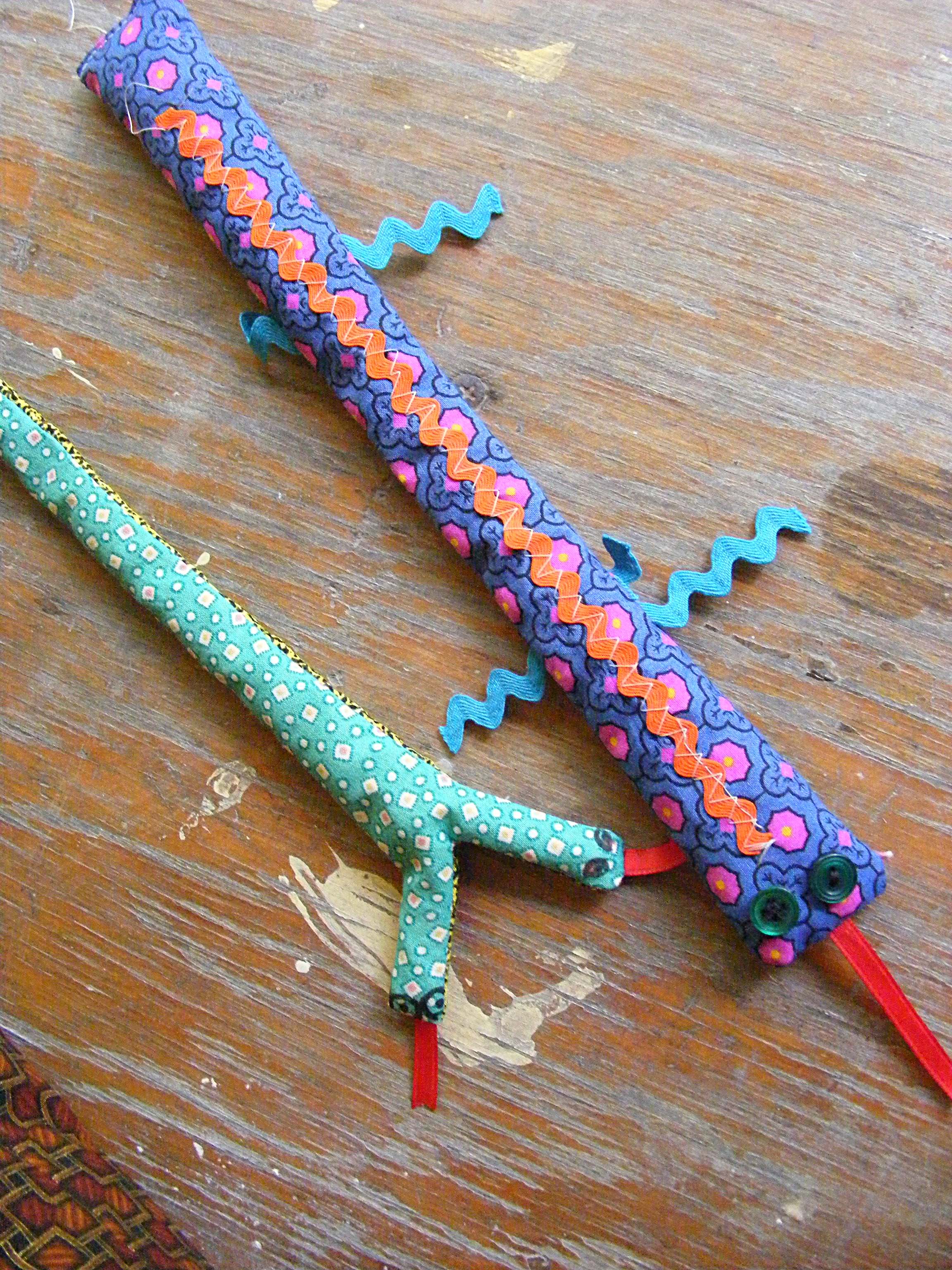
Here are two of the most special ones – a two-headed snake and a snizzard (that’s a snake/lizard, for those who don’t speak 8-year-old). 🙂

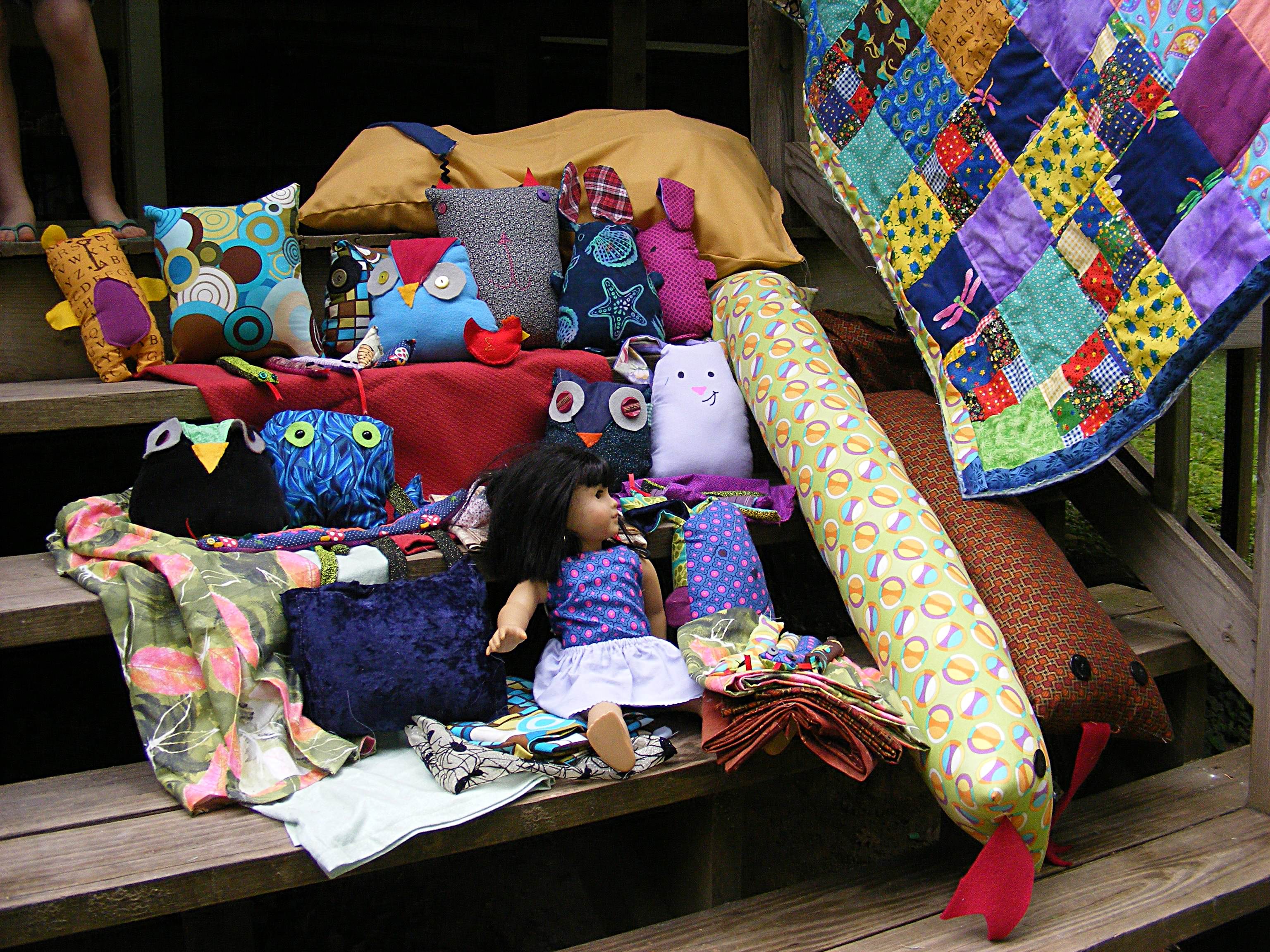
And one more shot of all the awesomeness. . .

Colorful handmade plush monsters and fabric pillows at Shiny Happy World.

Final tally:

  • 2 giant snakes
  • 14 small snakes
  • assorted things for the snakes to wear
  • 4 owls
  • 4 bunnies
  • 1 bear
  • 1 cat pillow
  • 2 plain pillows
  • 1 doll outfit (skirt and shirt)
  • 2 girl-sized skirts
  • 6 pillow cases
  • 3 pouches
  • 1 quilt
  • 1 dog bed
  • 1 cat toy
  • 1 bookmark
  • 7 beanbags
  • 8 proud kids

Holy cow!

Here are some posts with tips on sewing with kids.

Happy sewing!

Best,
Wendi
Bright red mushroom with white spots on a dark blue background.

Crocheting the cow’s mouth: CAL help!

Have you finished crocheting your pieces for the Cow Crochet-a-long? I’ve reviewed the basics for crocheting most of the pieces… but the mouth (and part 2 of the cow spot) are made by double crocheting semi-circles, which is a little different!

Video help is here!

What does ‘4th ch from hook’ mean? How do you turn? Those are just a couple of new terms that pop up when crocheting the cow’s mouth.

In case you’ve gotten stuck, I made a little video to help you out. . .

Show off your progress!

Now you should have all the skills you need to finish crocheting your pieces!

Here’s what mine look like:

Next week, I’ll be giving you tips on assembling this cutie cow’s pieces!

Get your cow pattern here. 🙂

How to Stem Stitch – video

How to Stem Stitch - video

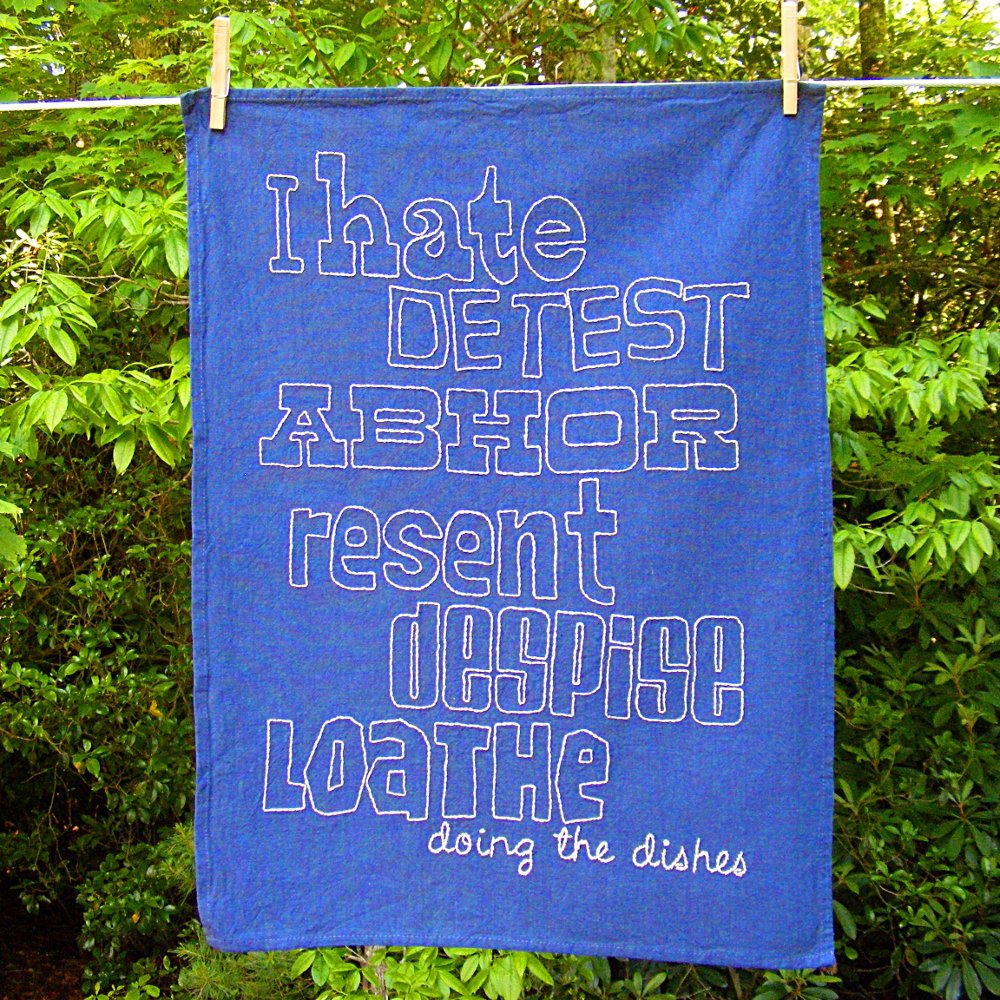
A few weeks ago I released a pattern called It’s a Dirty Job – all about how much I hate doing the dishes.

I used stem stitch for that little bit of script at the end – and I promised a how-to video soon. Well – here it is! How to stem stitch.

This is a really common outline stitch that I hardly ever use. I’m not sure why – it’s certainly very easy. It’s just that I always default to back stitch or split stitch. But if you need to outline tight curves – stem stitch is definitely the way to go. It’ll give you the smoothest curves around cursive letters or twisty vines.

Vibrant handmade crochet toys and patterns from Shiny Happy World.

Here are all my lessons for outline embroidery stitches.

Return to the Learn to Embroider main Table of Contents.

Move on to the lessons teaching fill stitches.

Vibrant handmade crochet toys and patterns from Shiny Happy World.

How to Fasten off Amigurumi pieces

How to Fasten Off Amigurumi Pieces - tutorial from Shiny Happy World and FreshStitches

In amigurumi patterns, you’ll often see the instructions ‘Fasten off’ or ‘Fasten off with a long tail’. What does that mean? No worries, I’m here to tell you!

Fasten off.

Whenever you’re making a piece, and you’ve finished all the crocheting… you’ve got to end it! Even though the instruction ‘fasten off’ may sound a little obscure, it’s super-easy (and you’ve probably already been doing it)!

I’ve got a video here, followed by some step-by-step photos for if you just need a quick reference.

Here’s the video

And here’s the photo tutorial

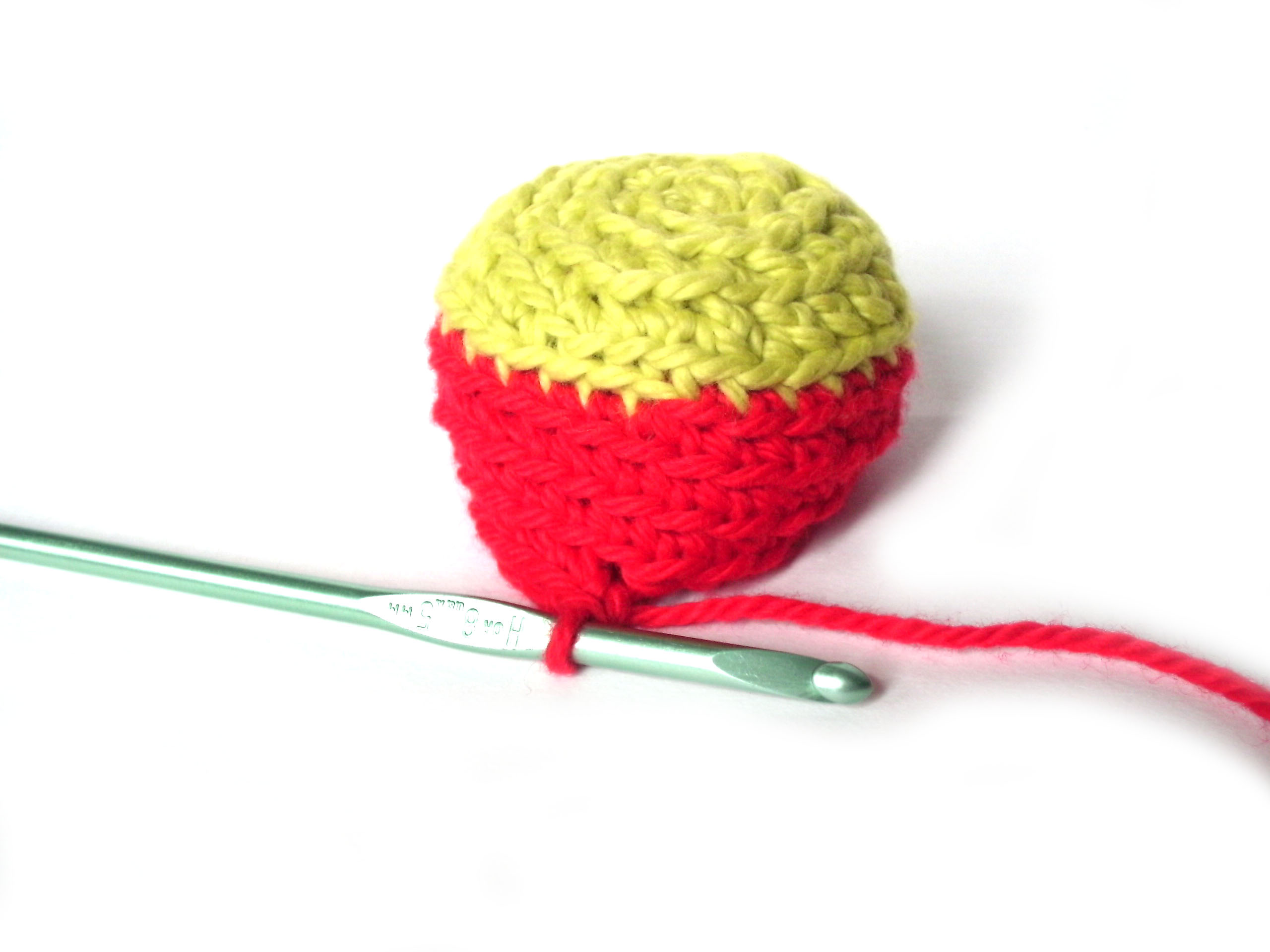
Here’s my snout from my cow (because I’m doing the CAL!), and I’ve finished crocheting:

Remove your hook, making the last loop a little larger:

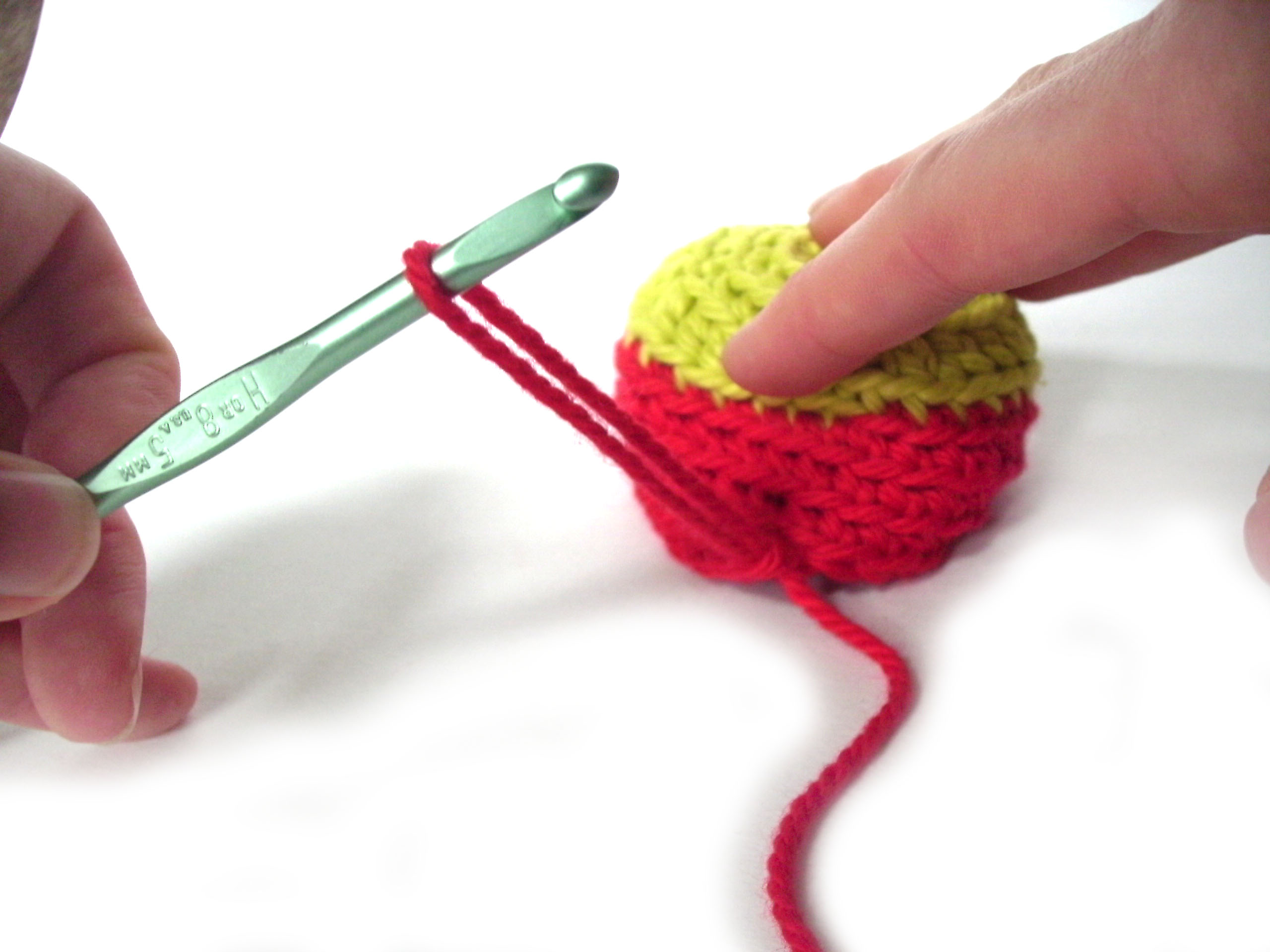
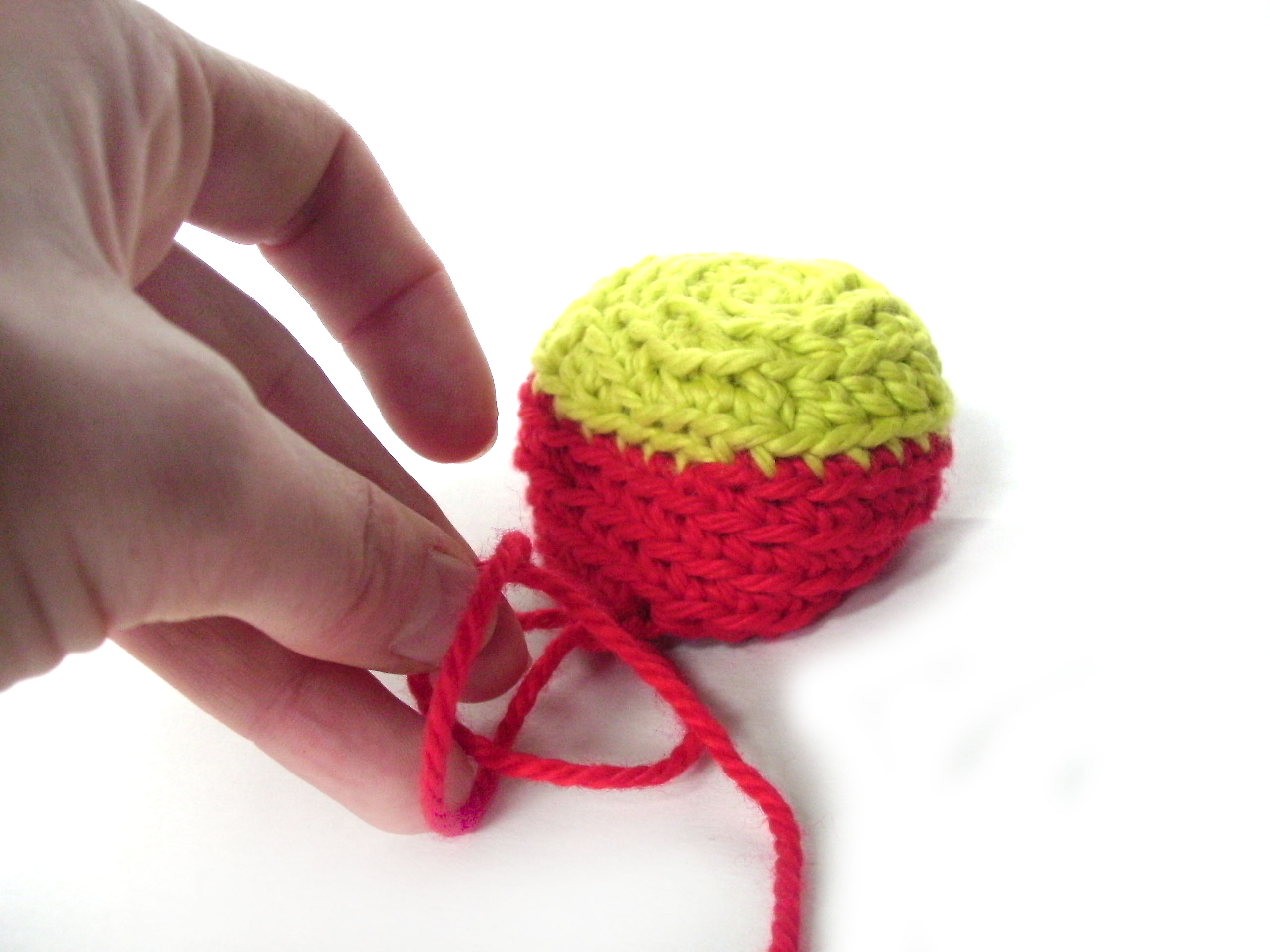
Now, pull the working yarn through the loop (you can either cut the yarn- see the next part of this blog post first- or pass the entire skein through the loop. Up to you!).

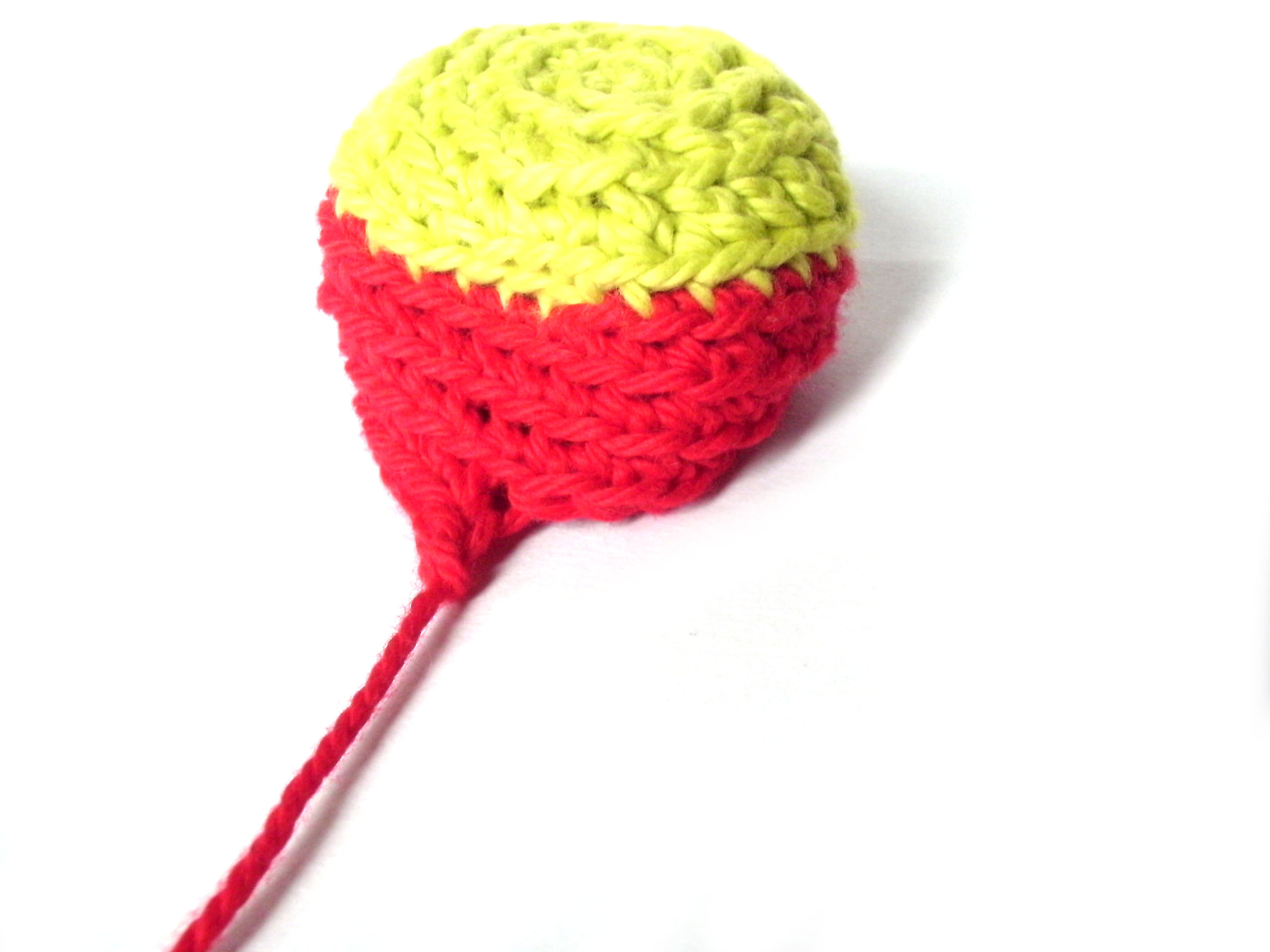
Check out that beautiful knot:

How much tail should you leave?

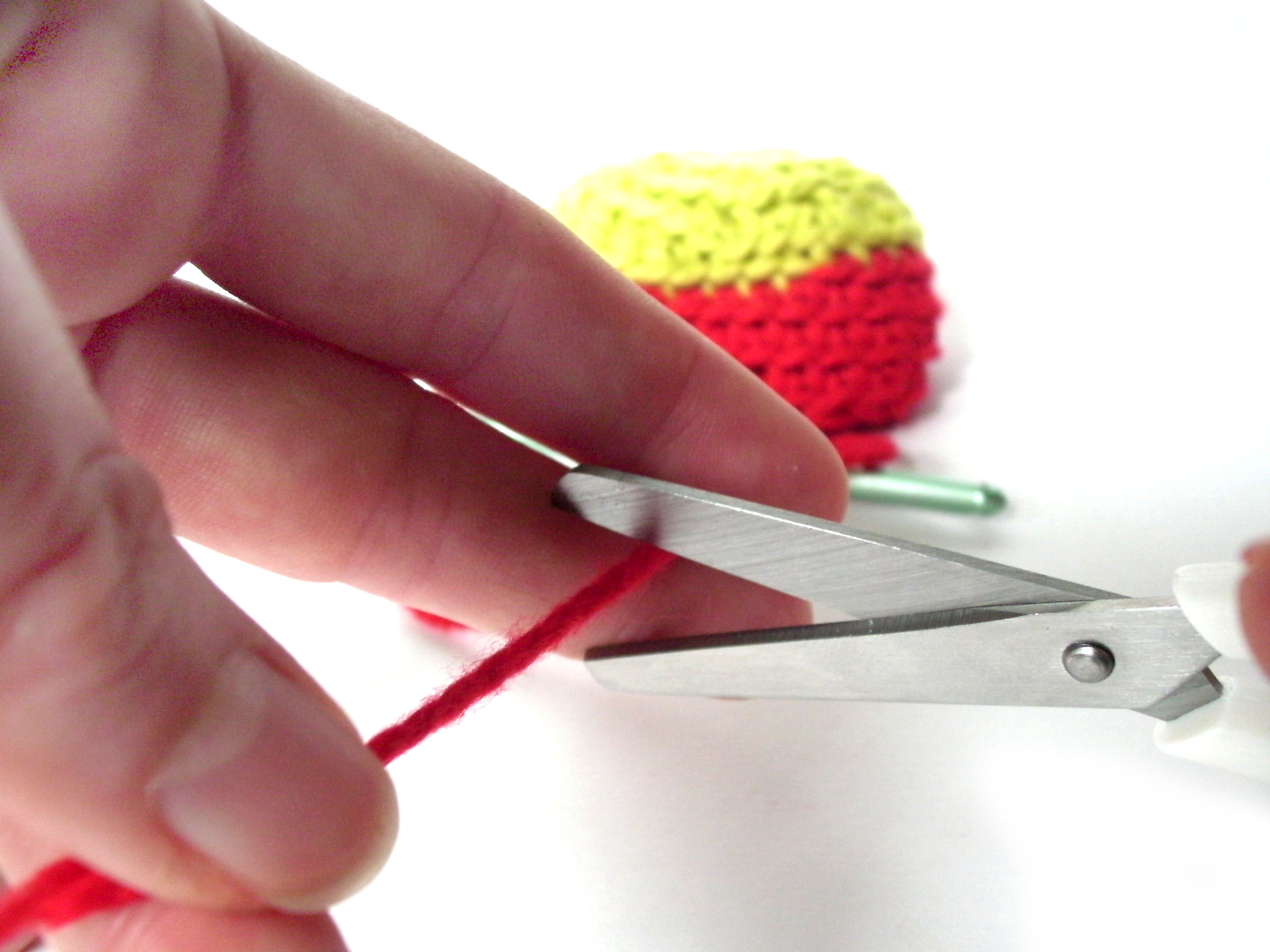
Excellent question! When you’re cutting your yarn when you’re fastening off), you always want to leave a few inches or so. That way, you’ll have enough to weave in (or hide) the tail on your finished piece.

When making amigurumi, you often want to leave a ‘long tail’… enough so that you can use the tail to attach the piece to another piece later on. I usually say about 12″, but a more accurate measurement is about twice as long as the last round of your piece.

Here’s the step-by-step:

Keep in mind, you can cut your working yarn while tying off the knot (see above) or after the knot has been fastened. Simply snip your yarn (leaving the length I described):

And you’ve done it!

How’s your cow coming?

(It’s not too late to join in! Read all about our Cow CAL here!)

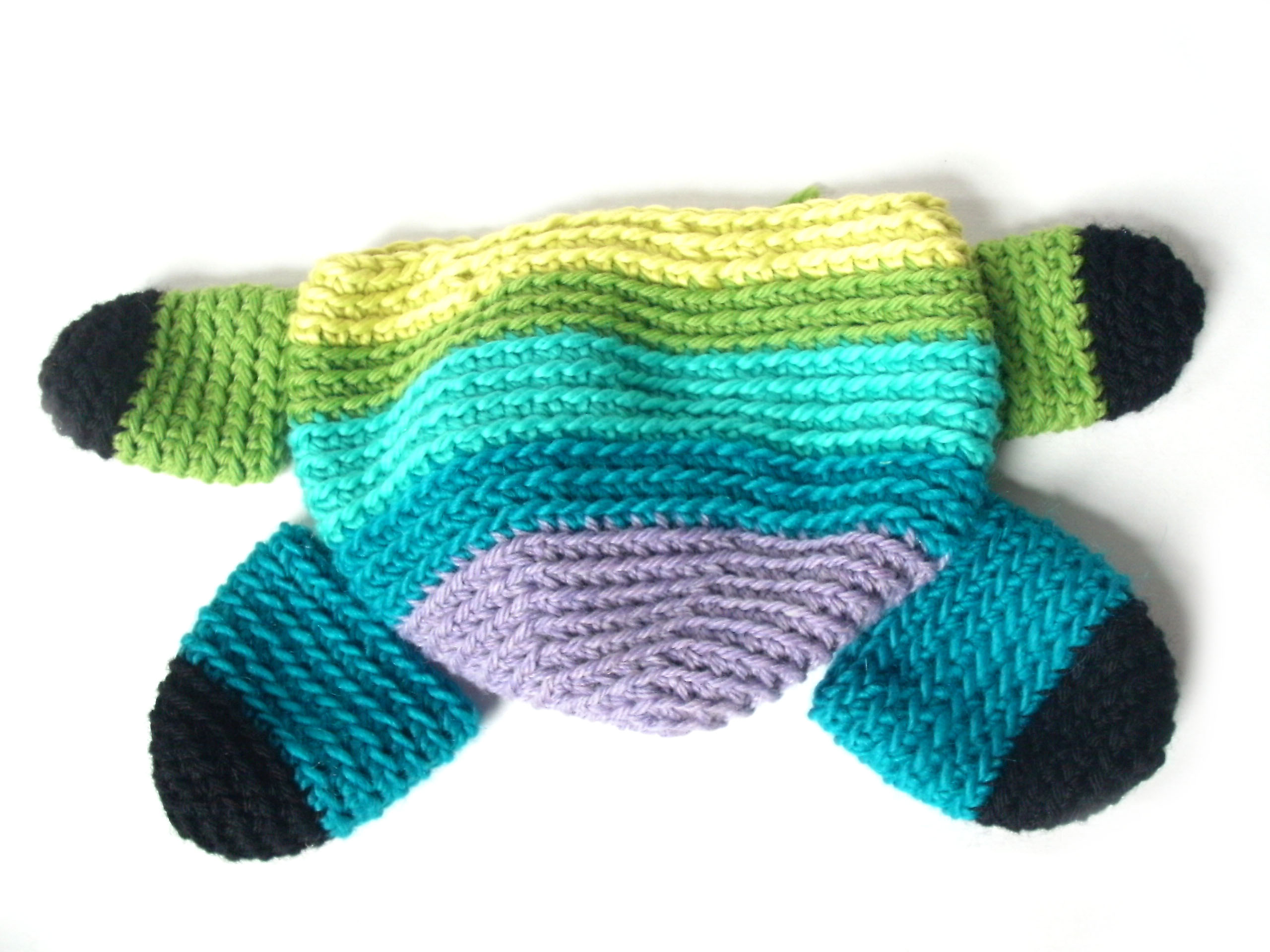
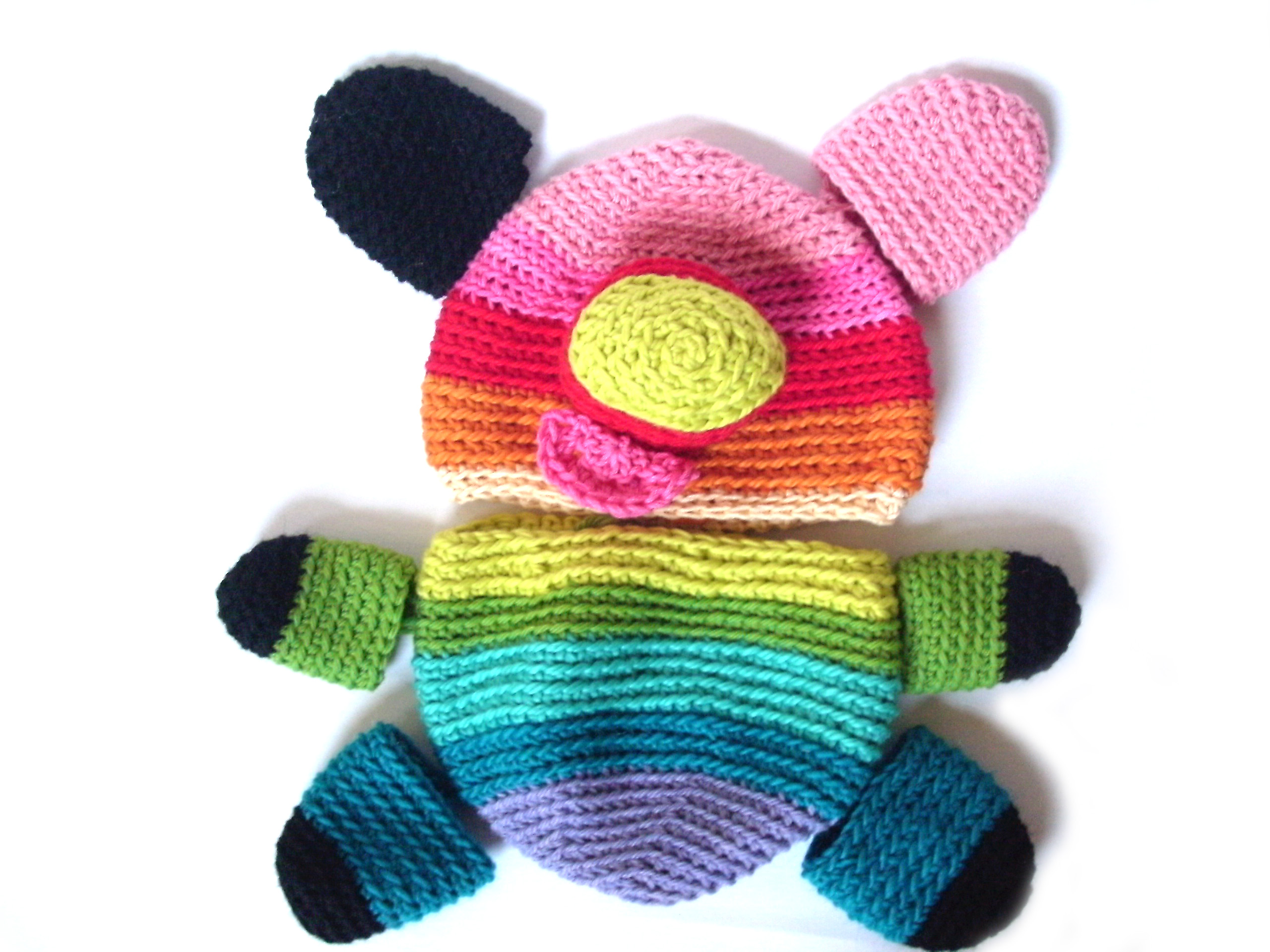
Last time, I showed you that I finished up my cow’s head a couple days ago, and now I’ve finished the body, arms and legs, as well:

Pretty rainbow-y, huh?

On Thursday, I’ll show you how to slip stitch and half double crochet, two stitches you’ll need for crocheting the snout!

Vibrant handmade crochet toys and patterns from Shiny Happy World.

Here are handy links to all the posts about closing up the stuffing opening and fastening off in amigurumi. . .

Return to the main table of contents for Let’s Learn to Crochet Amigurumi.

Move on to the lessons for attaching parts.

Happy stitching!
Vibrant handmade crochet toys and patterns from Shiny Happy World.

Sewing Camp

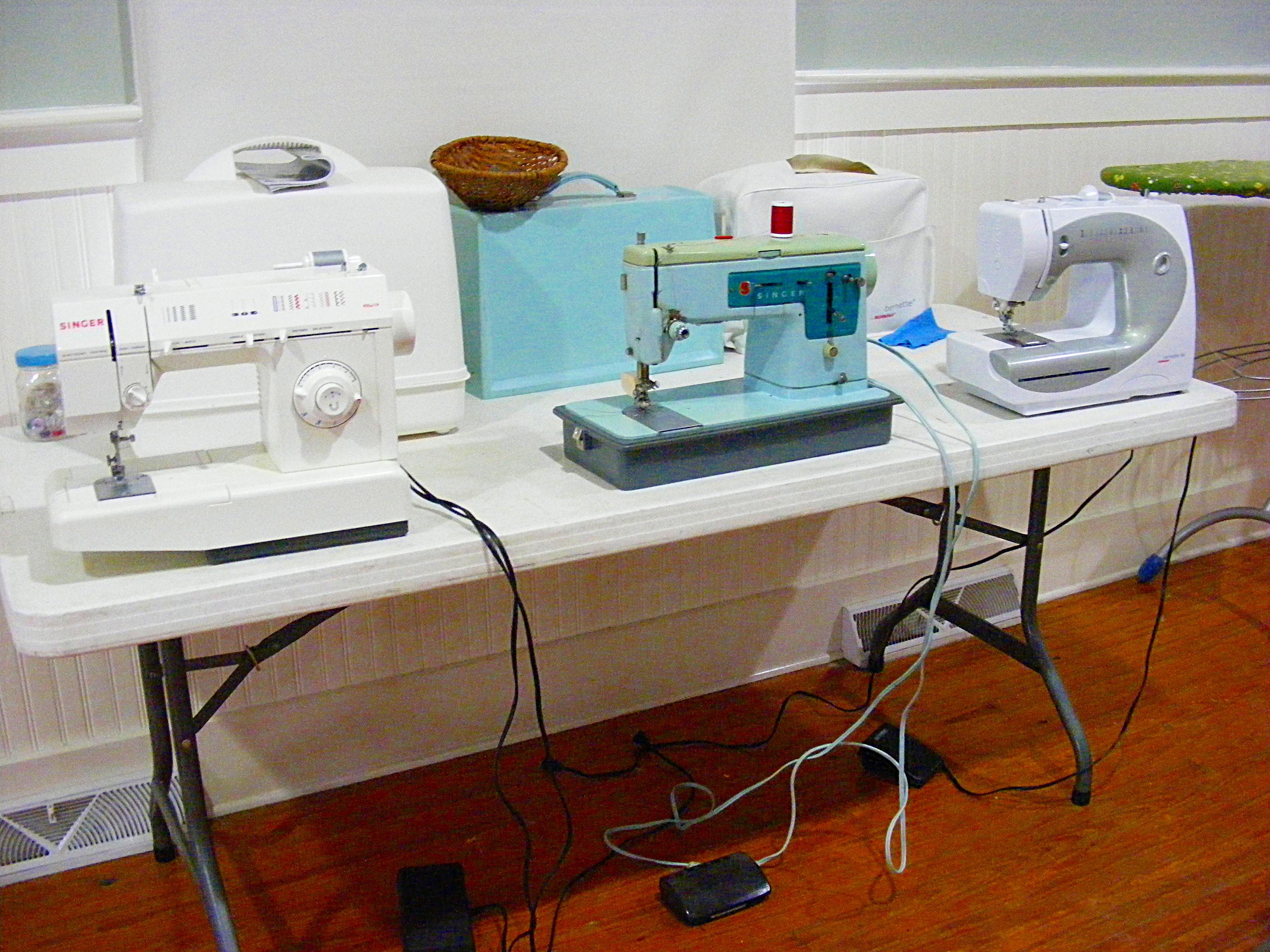
Sewing Camp starts today and I’m all ready to go. I’ve got a sewing station. . .

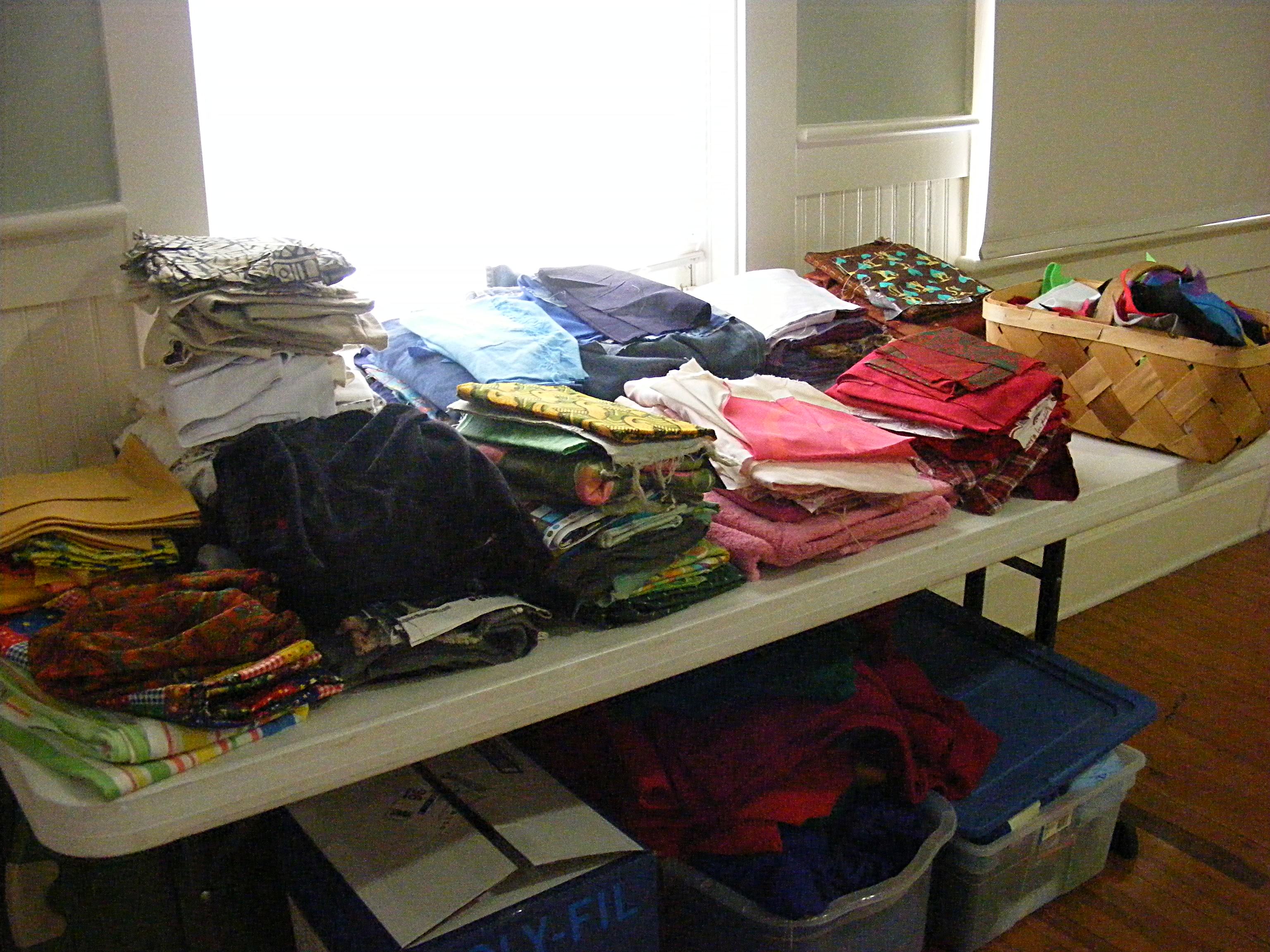
. . . lots of fabric. . .

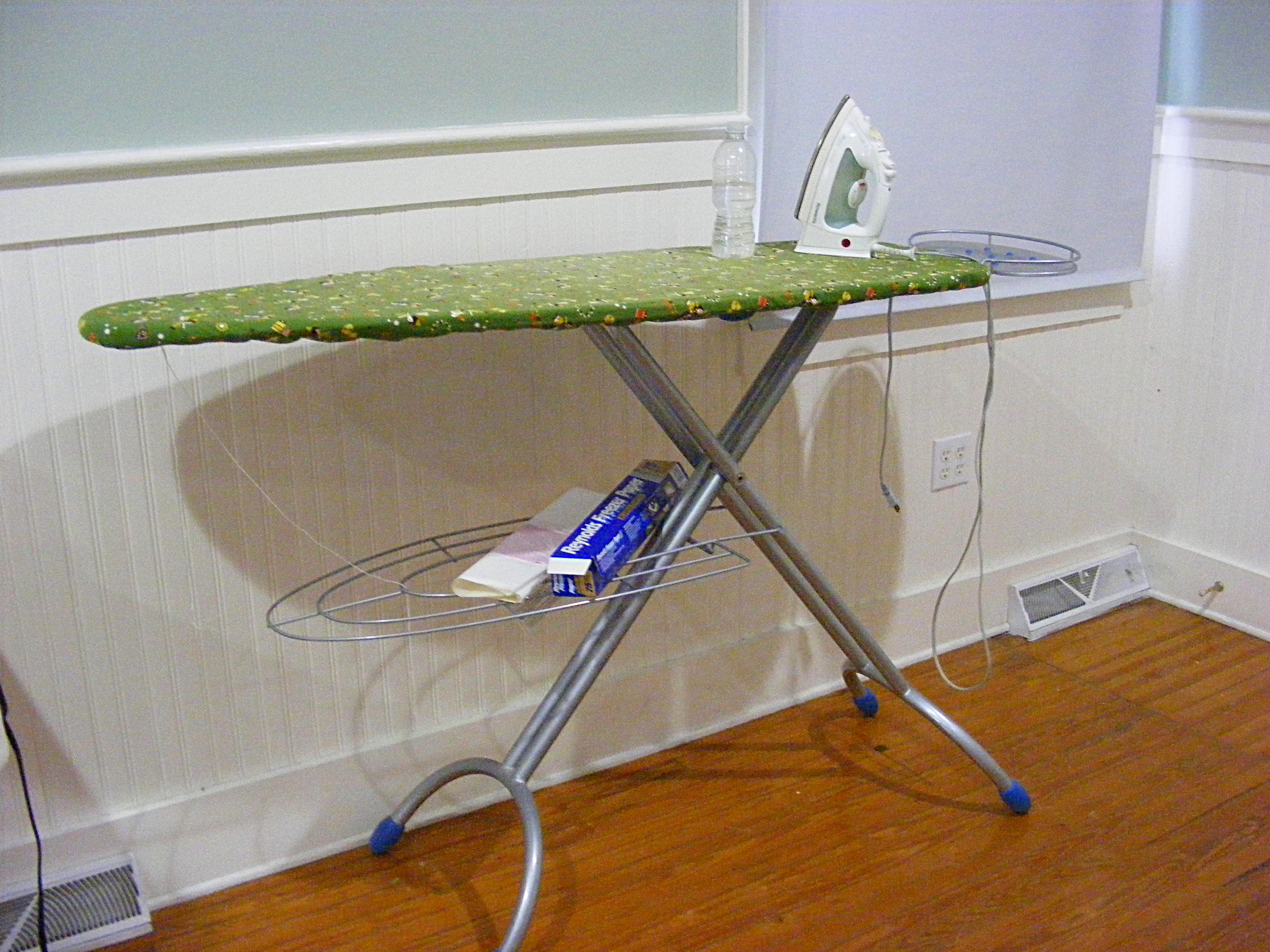
. . . an ironing station. . .

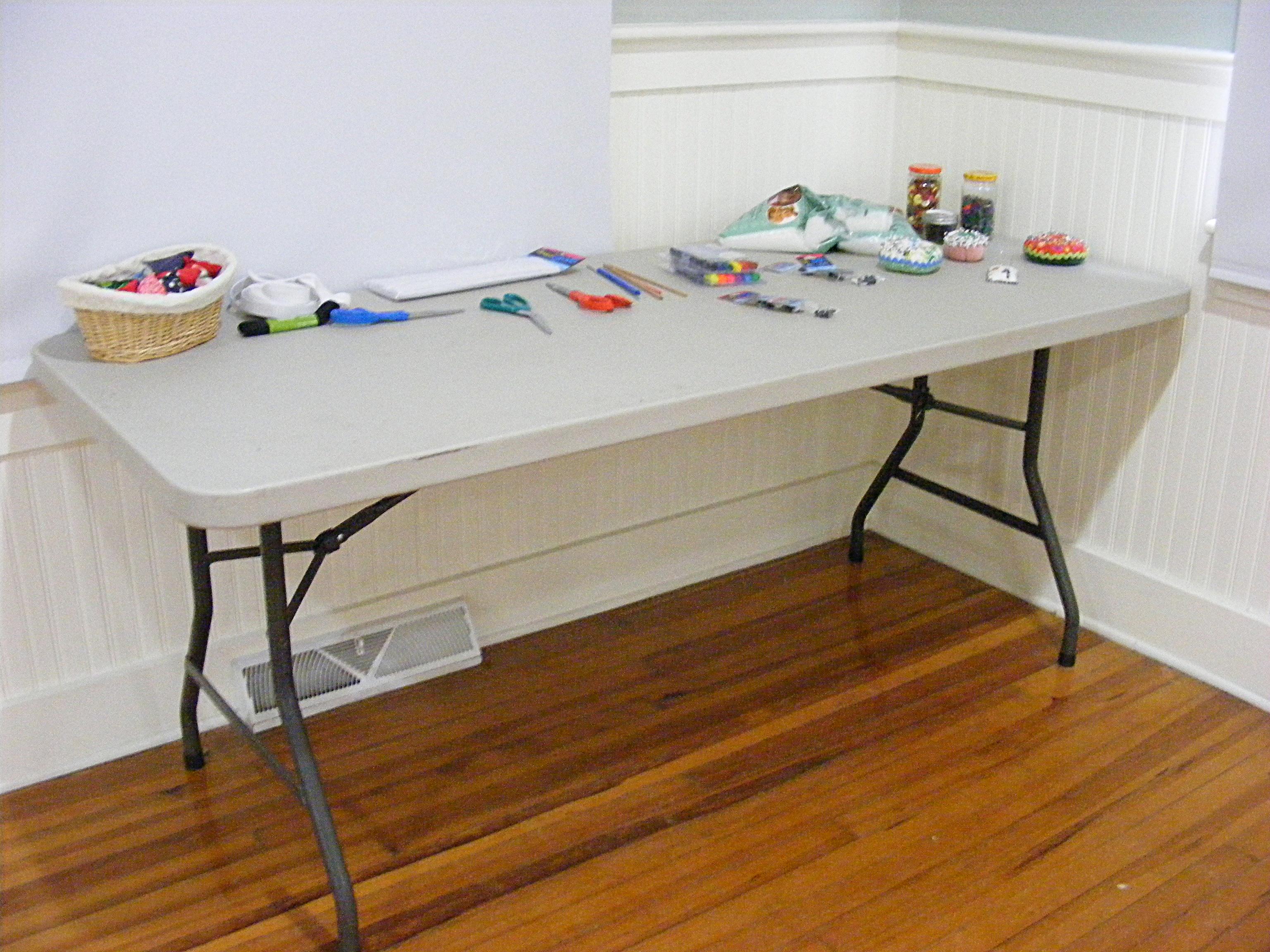
. . . handy tools and notions. . .

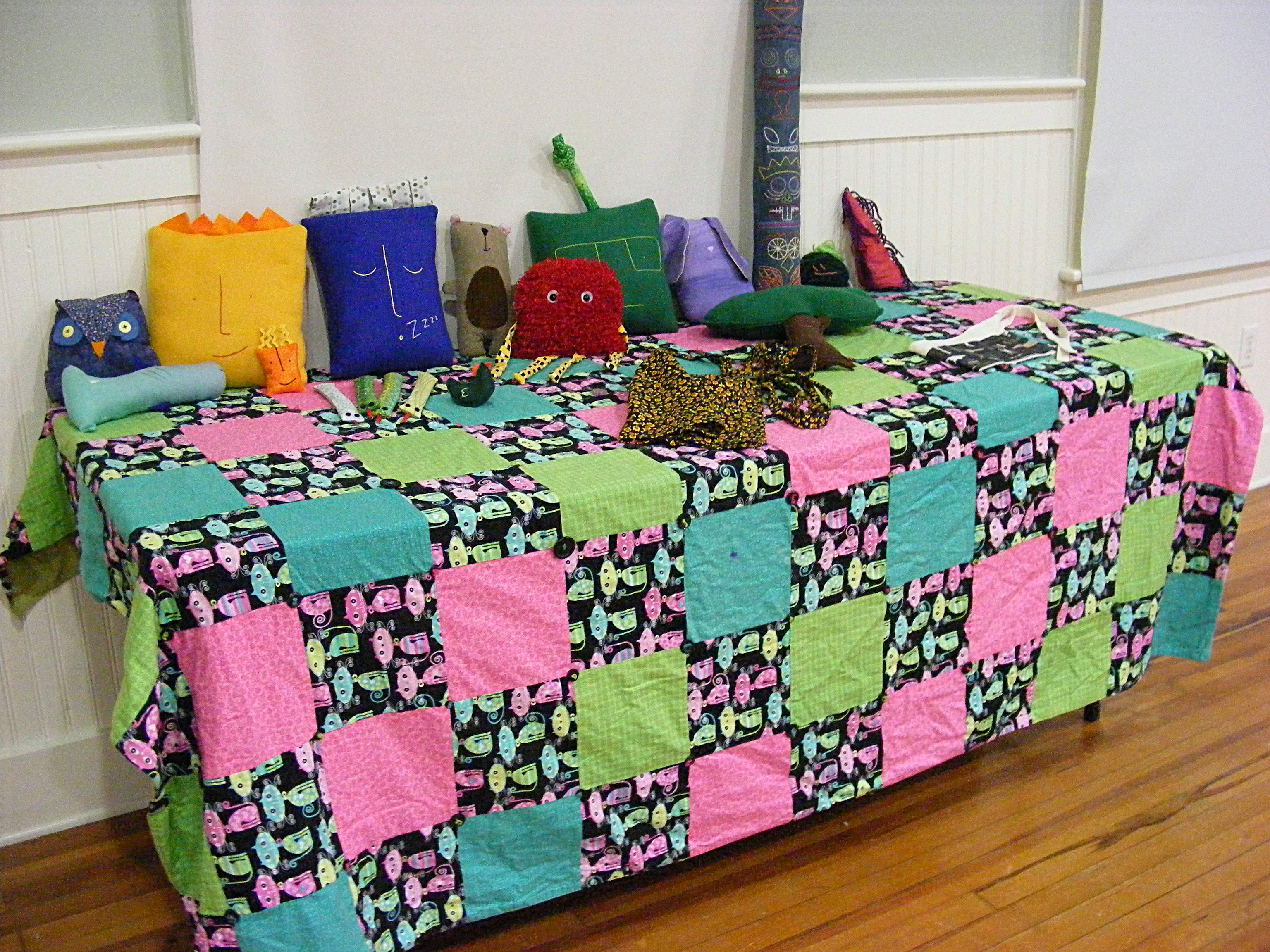
. . . and a show & tell station all ready to be filled up. I brought in some samples of things they can make – but they don’t have to make any of the patterns I’m bringing. This morning they’ll each tell me what they most want to make, and all week I’ll work on teaching them whatever skills they need to do it. By Friday this table will be filled with things they’re really excited about and proud of. I can’t wait!

Happy sewing!

Best,
Wendi
Bright red mushroom with white spots on a dark blue background.

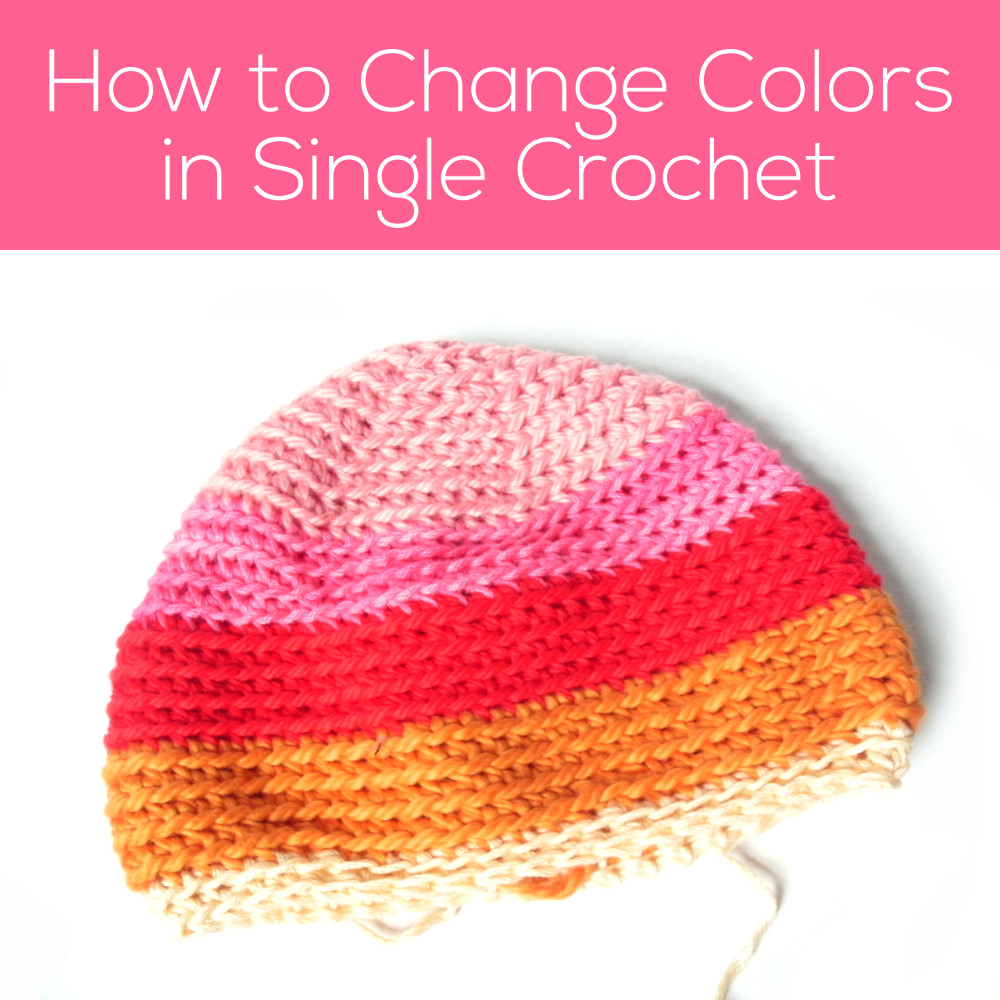
How to Change Colors in Single Crochet

How to Change Colors in Single Crochet - a video tutorial from Shiny Happy World

How’s your cow (for the FreshStitches CAL) coming along?

You already know that I’m making a rainbow cow… basically, changing to a new color every few rows to get rainbow-y stripes.

Do you want to know how to change colors?

Of course you do!

So, I made this little video of me doing the first color change: (click on the square icon in the lower right corner of the video to view it in full screen)


Not so hard, is it?

And if you keep changing colors every few rounds, you’ll end up with a super-fun, stripey head!

Want to get a little fancier? There’s a way to change colors and minimize the look of the little “step” that results. Watch that video here.

Vibrant handmade crochet toys and patterns from Shiny Happy World.

Here are handy links to all the posts about changing yarn color in crochet. . .

Return to the main table of contents for Let’s Learn to Crochet Amigurumi.

Move on to the lessons about crocheting stuffed animals in different sizes.

Happy stitching!

Vibrant handmade crochet toys and patterns from Shiny Happy World.
Handmade crochet Pippi & Pippa amigurumi toys for beginners.

How to Machine Applique Concave Curves – video

How to Applique Concave Curves with the Freezer Paper Method - video

Hello all! Here’s the third video in the machine applique series.
We covered convex curves in the very first video – the one that introduced the whole technique. Watch that video here. And we covered inside points in this video.

Now we’re tackling concave curves. Those are the ones that curve in (like a cave). The technique is easy – if you can do the inside points then you can definitely handle this.


I also cover using starch in this video. I had someone ask me about getting a really crisp edge on her applique pieces. The answer, my friends, is starch. Simple spray starch from the grocery store. I don’t use it much, but sometimes – if your fabric just won’t behave – it can make all the difference. If you’ve never used starch before – give this a look and see how easy it is. And watch the steam fog up the lens of the camera. 🙂

Free Machine Applique Workshop

For all the videos and tutorials teaching you the freezer paper applique technique, gathered up in one handy dandy post – go here.

Happy stitching everyone!
Best,
Wendi

Tutorial: Tie-dye amazing rainbow yarn!

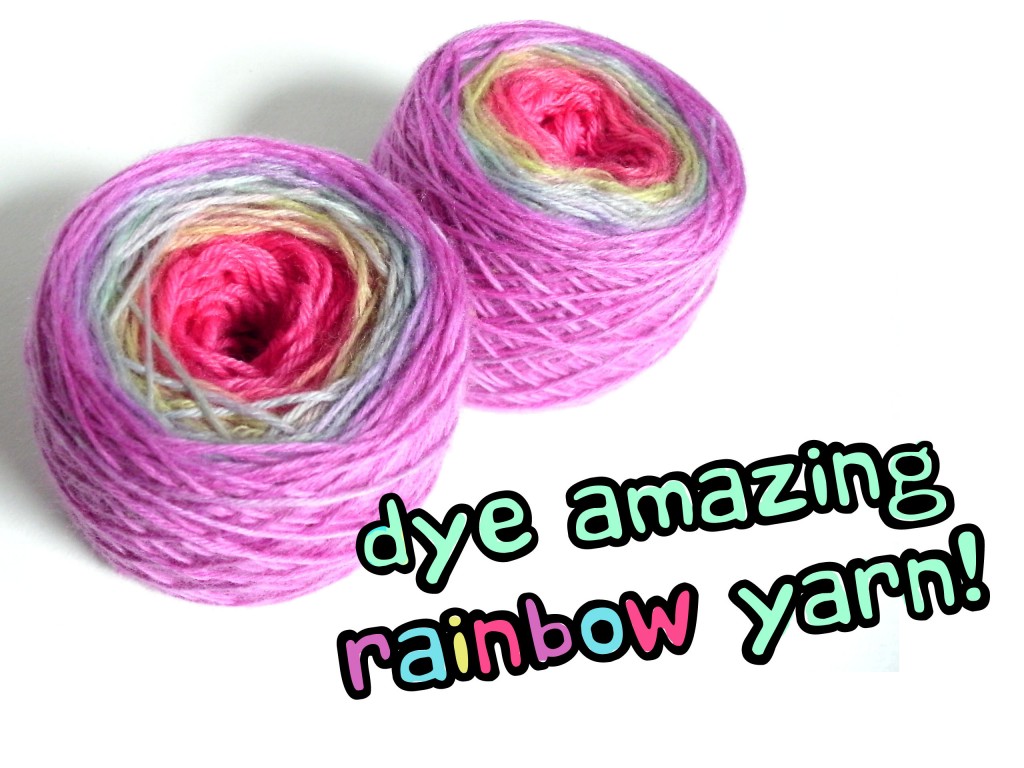
You remember tie-dye, right? The dye that you used to make funky-colored t-shirts when you were a kid? Would you believe that you can use tie-dye to create amazing yarn? It’s true! In this post, I’ll show you how to use Tulip Tie-Dye to create a uniquely-dyed rainbow yarn!

Materials You’ll Need

You only need a few things to get started: a tie-dye kit and a sock blank… let me fill you in on the details!

Tie-Dye Kit

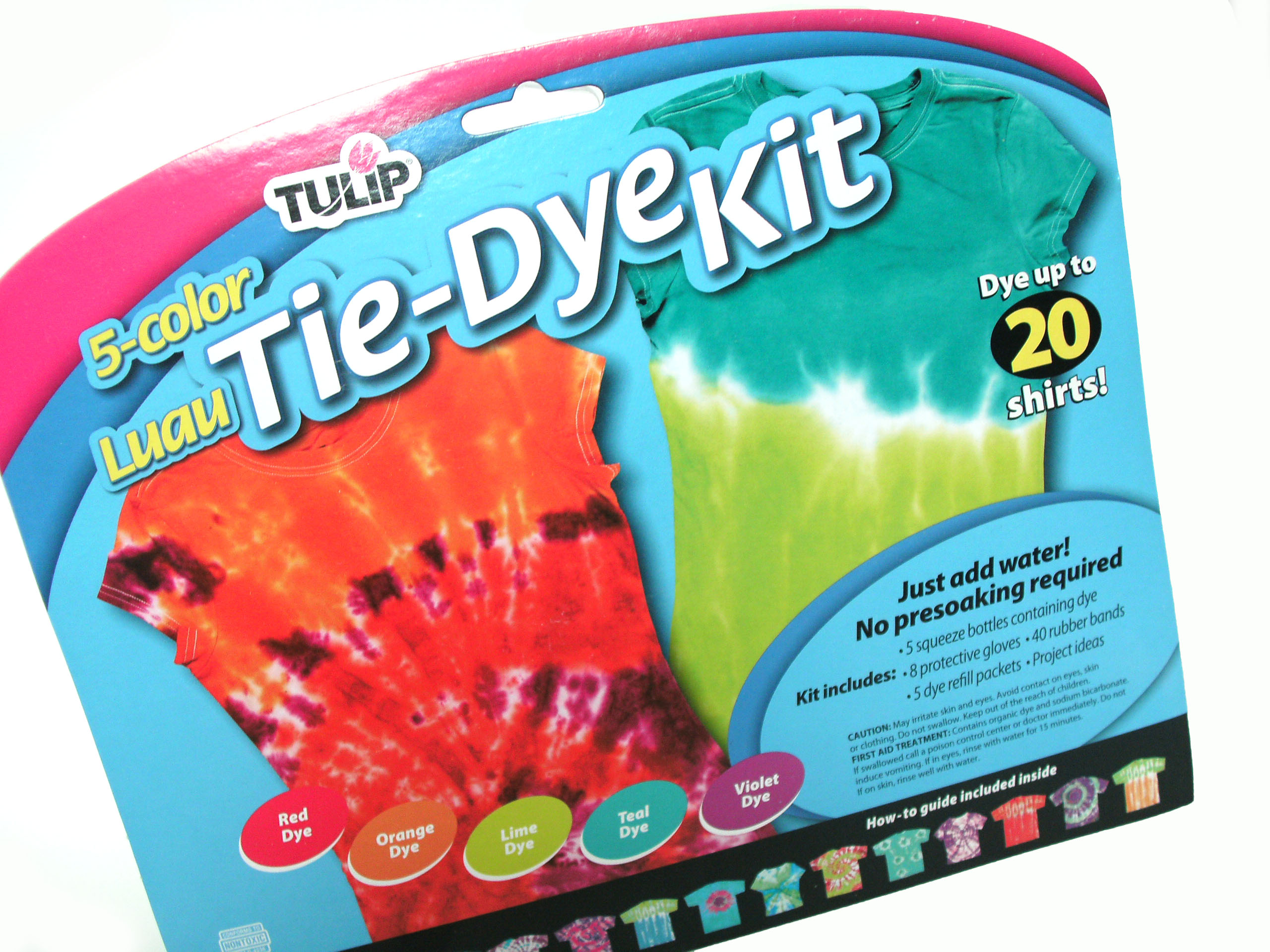
Since you want a variety of colors, getting a kit (which contains a set of dyes) is the easiest way to tie-dye. I used the Luau Tie-Dye kit (made by Tulip)… but they have a range of kits available (bright colors, rainbow, neon…), so you should be able to find the combo for you!

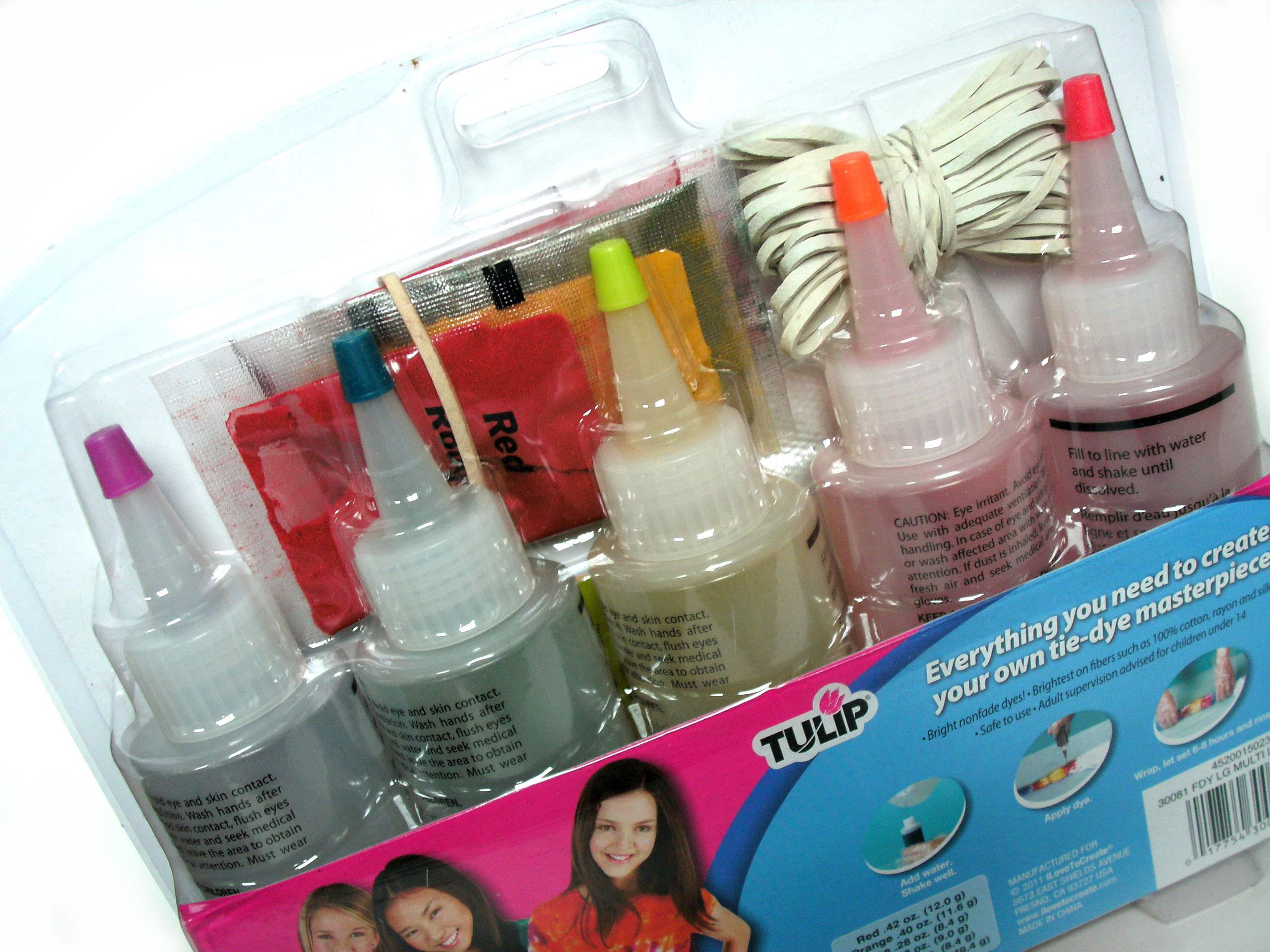
The kit contains:

  • 5 color-coded applicator bottles (filled with dye, in colors: red, orange, lime, teal and violet)
  • 5 packets of extra dye
  • gloves (so you don’t also dye your hands)
  • rubber bands
  • a project idea booklet

Sock Yarn Dye Blank

Have you heard of a ‘yarn blank’ before? It’s a pre-knit rectangle of yarn specifically made for dyeing… that you can unravel and wind into fabulous yarn.

I got my sock blank from Knit Picks… not just because they’re one of the only companies to offer blanks, but because I happen to think theirs are pretty awesome! Their Sock Yarn blank is actually a double strand, so when you unravel it, you’ll wind up with two identically-dyed balls of yarn. How cool is that?

How to Dye Rainbow Yarn

Have your materials? Let’s get started! (of course, you should read over the dyeing instructions in the kit, first… but you knew that, right?)

Step 1: Prepare your dye

Preparing the dyes is pretty easy… since the applicators are already pre-filled with dye powder, just add water to the bottles and shake!

Step 2: Prepare your blank

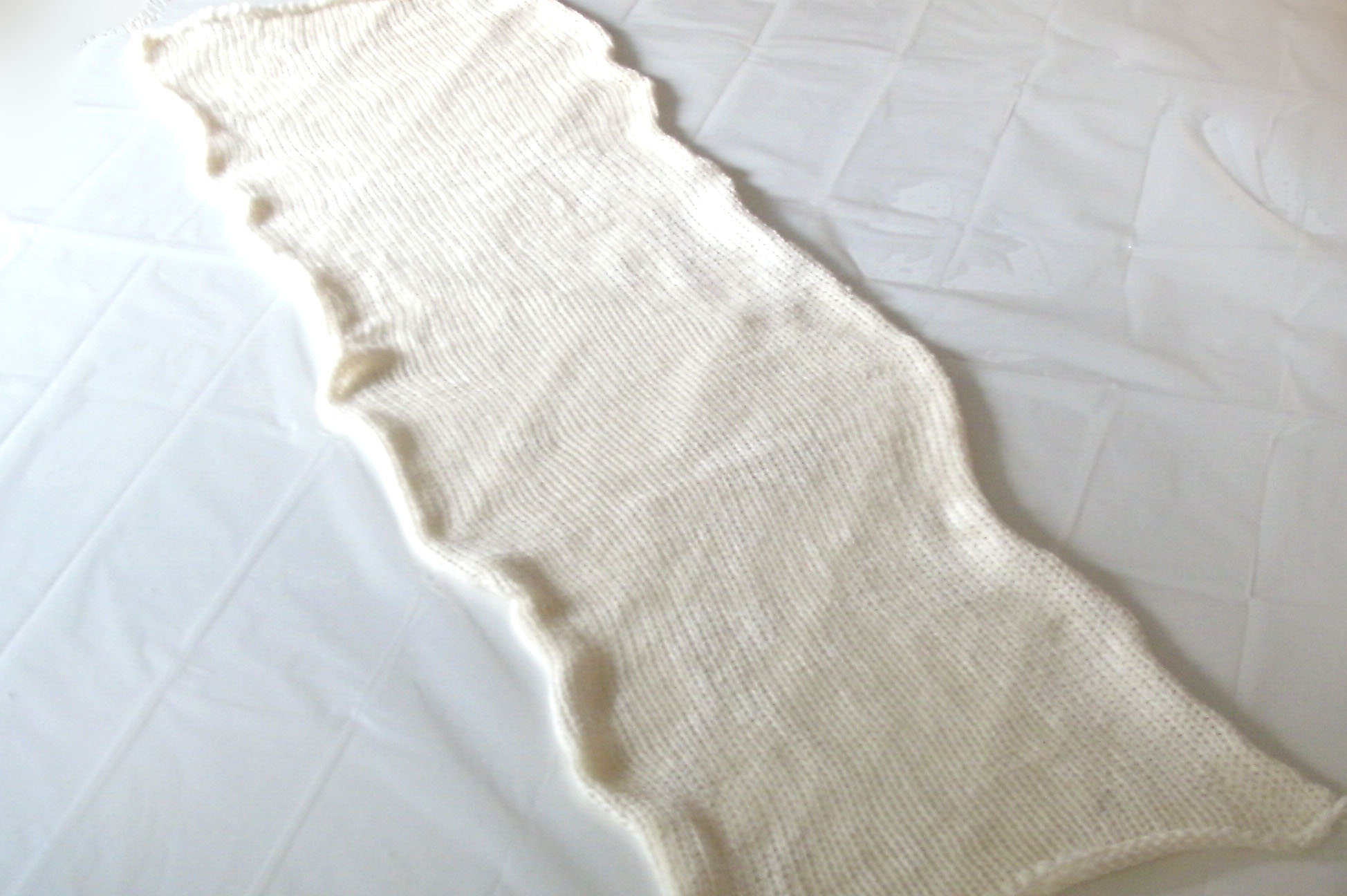
I wanted soft, gently-flowing color changes (instead of crisp lines), so I began with a dampened blank. This allows the colors to bleed more freely.

I covered my table with a plastic sheet, and laid out my blank:

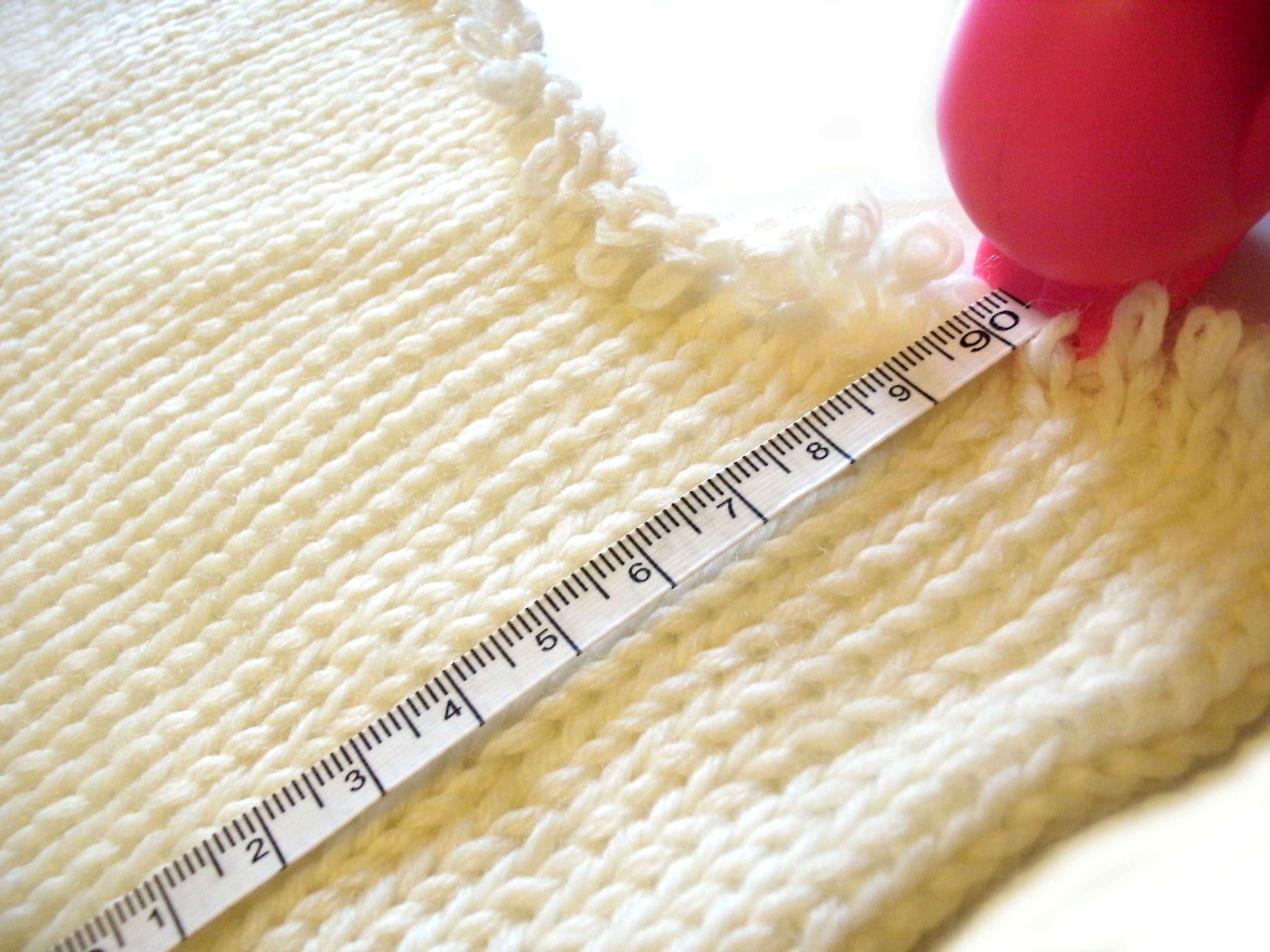
Of course, you could get started dyeing right away (and skip to step 3)! However, I wanted the stripes in my rainbow to be approximately even, so I did an extra step of preparation by marking 5 even segments. To do this, I measured the length of the blank:

Then I placed locking stitch markers (which don’t mind being dyed) at equal intervals:

This way, I knew where to dye to get equal stripes of color!

Step 3: Dye!

Now’s the fun part! Just squirt the color where you want it:

I applied the dye pretty evenly (fully saturating the yarn), but you can do whatever you’d like… including making fun designs with the dye!

Step 4: Let it set

The dye needs time to soak in, and the longer you let it set, the deeper the color will be.

The dye instructions tell you to let your piece rest for 8 hours (and cover it with plastic so it keeps moist)… but I was aiming for a less-intense color, so I moved to Step 5 after only about a half-hour. It’s up to you!

Step 5: Rinse

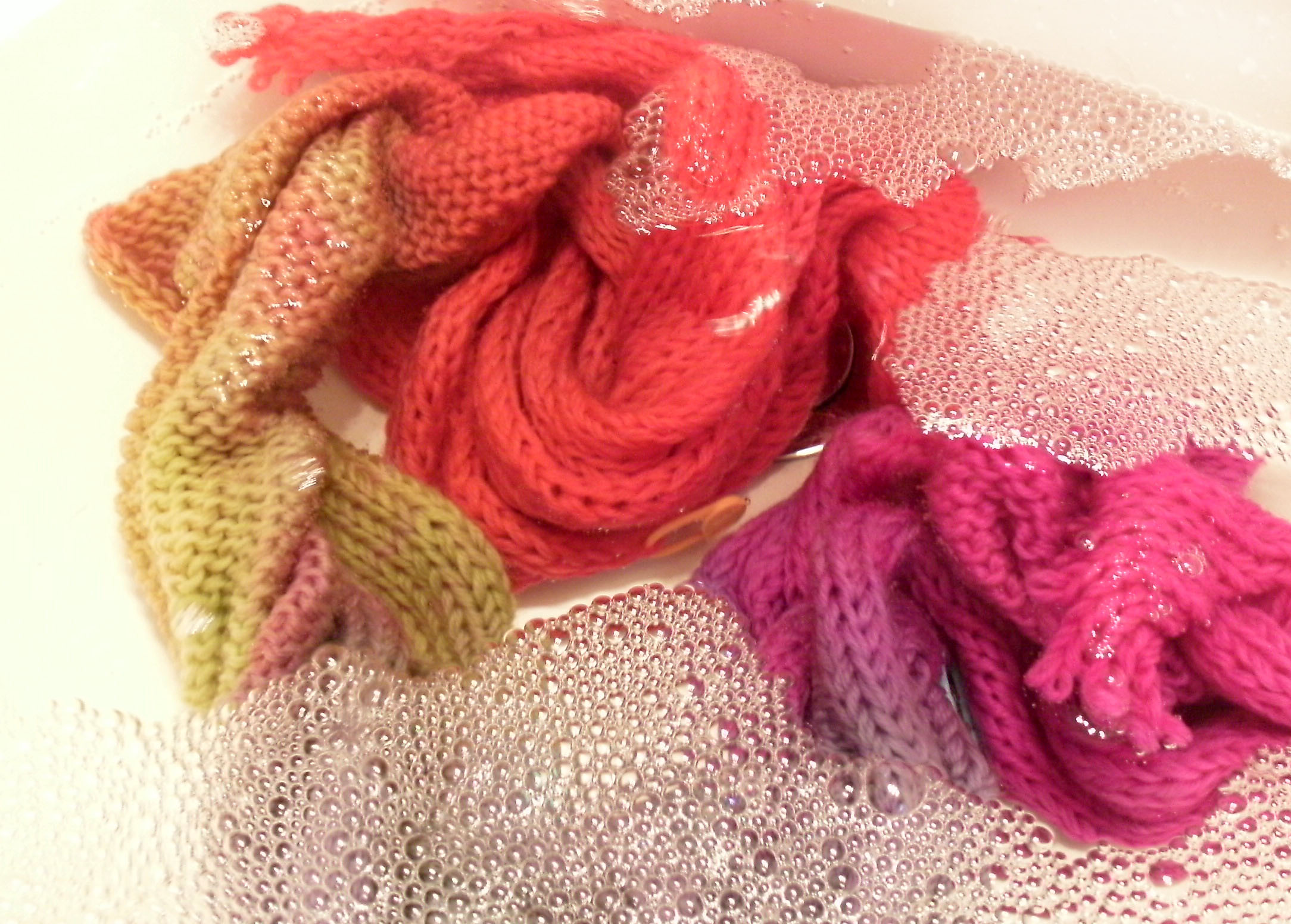
Once you’ve let the dye set for as long as you’d like, it’s time to rinse your (no-longer) blank. Even if your yarn is machine washable, you don’t want to put your blank in the washing machine! It can unravel and make a big mess! So, it’s best to hand-wash:

Once the excess dye has been washed from your yarn, squeeze out any excess water, and lay flat to dry.

Step 6: Unravel

I’ll admit it… this part is a wee bit annoying, but a crucial part of getting your yarn! You’ll have to unravel the sock blank.

Since the blank is made of two yarns held together, you’ll need to simultaneously wind two balls. Hands down, the easiest way to do this is to recruit a friend to help!

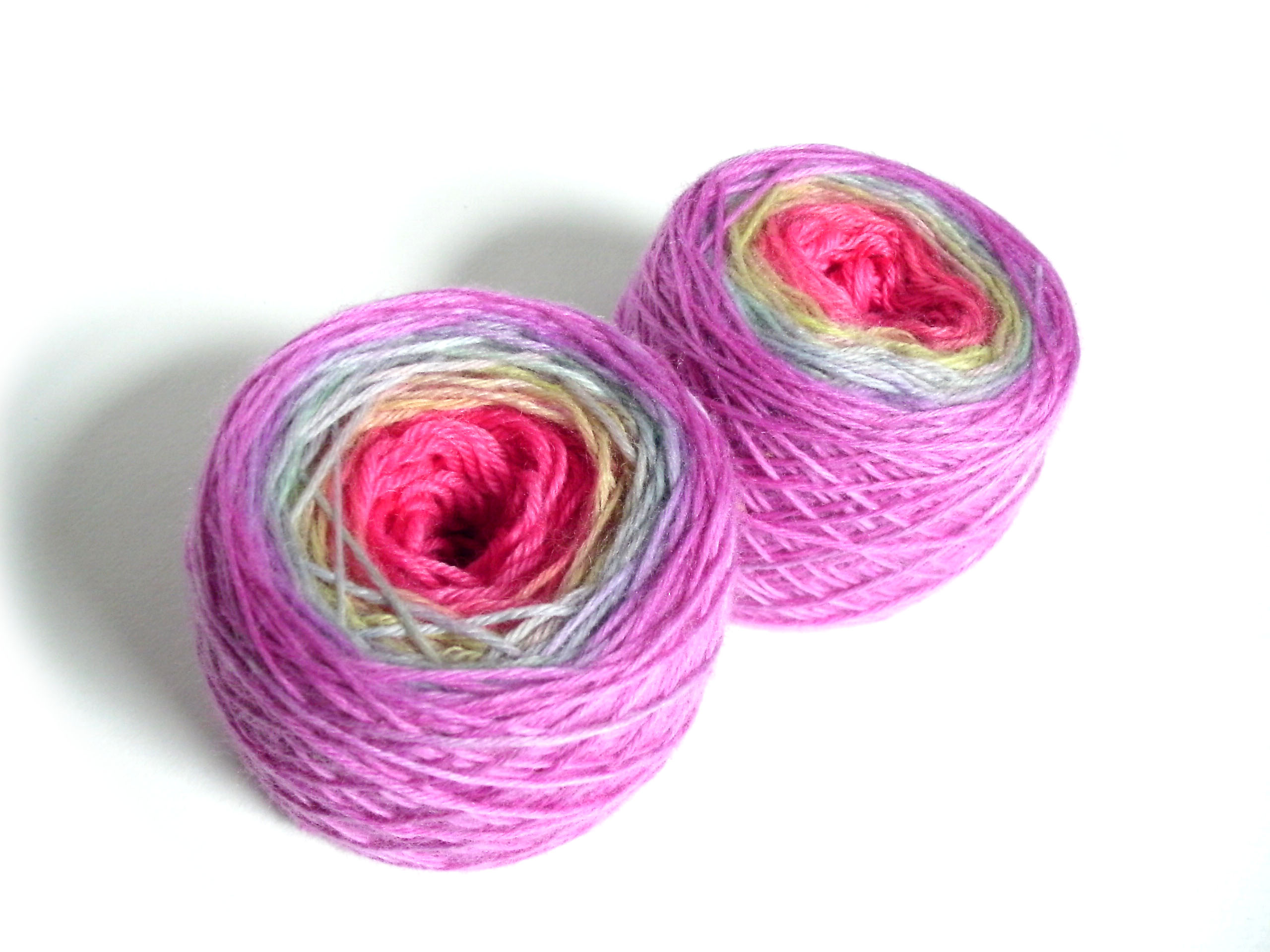
At the end, you’ll be rewarded with two balls of beautiful and identical yarn!

Enjoy Your Fabulous Yarn!

I’m in love with mine… and I’ve already started knitting a pair of socks:

Isn’t it lovely?

What will you make?

I’m obsessed with rainbows… so I couldn’t help but make a rainbow-colored creation! But you could create any fabulous pattern that you can dream of!

What pattern would you create on your yarn?

I hope you enjoyed this post, and that it inspires you to create some fabulous yarns!

Grab your own kit!

Tulip Tie Dye Kits are available at Walmart, Walmart Canada, Michaels, JoAnn, A.C. Moore, Hobby Lobby, Hancock Fabrics, Meijer. Tie dye kit contents and colors may vary by store.

I wrote this post as part of a paid campaign with iLoveToCreate.com and Blueprint Social. The opinions in this post are my own.

Best,
Stacey